Going Revolution: A Change of LIB Recycling Pricing Mechanism
The amount of decommissioned power batteries has increased significantly since 2021, and which has reached 34.5GWh (277,000 tons) in 2022. In the next power battery decommissioning peak, the decommissioning volume of NMC batteries and LFP batteries will reach 83.0GWh (519,000 tons) and 76.7GWh (511,000 tons) respectively.
During this process, standardizing the battery recycling pricing mechanism model has become a great concern in the recycling market, and the pricing mechanism model has undergone a round of changes, with a new form by the end of 2022.
- Pricing mechanism phase 1: Nickel and Cobalt have been the main pricing methods for lithium batteries.
Before December 2022, during the initial stage of the development of the recycling market, the pricing method of LIB recycling is not standardized with the gray area, players only value the metal cobalt and nickel in pricing, and the other metals included in the sourcing material are reflected in the coefficient.
The price of Nickel and Cobalt was mainly based on the quotation on SMM’s official website, which is multiplied by the metal content and the same coefficient respectively. The pricing method is as follows:
Pricing mechanism phase 1:
【(Nickel Benchmark Price * Nickel Content + Cobalt Benchmark Price * Cobalt Content) * Cobalt & Nickel Coefficient】

However, in the context of high lithium prices, lithium costs are amortized on nickel and cobalt, resulting in a substantial increase in the nickel and cobalt coefficient. The data (Figure 1) shows that from October to December 2022, the coefficient for waste LFP black mass increased rapidly from 30% to nearly 70%, and the price of each lithium point (1% lithium content) raised from 21,000 yuan to 26,000 yuan, the procurement cost of recycling companies has increased by more than 20%, while the price of finished lithium carbonate has only increased by about 15% during the same period.
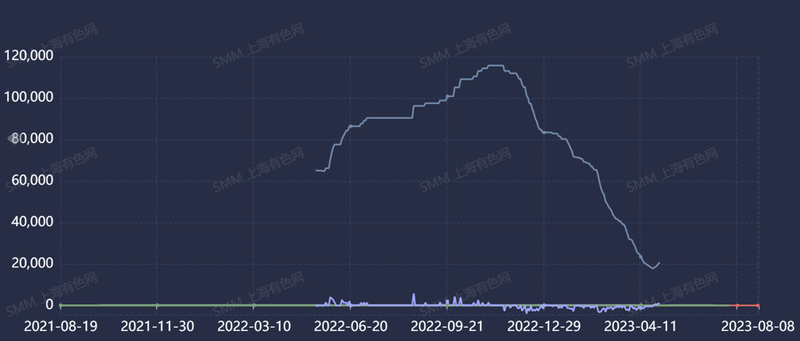
(Figure1: SMM - Waste lithium iron phosphate black mass average price trend)
Moreover, the coefficient of NMC waste has already been inverted because the lithium element with the highest value does not participate in the pricing. The coefficient of pole piece waste powder has risen sharply from 200% to nearly 230%.
Therefore, as the price of cobalt and nickel continues to decline while the price of lithium continues to rise, the profit margins of recycling companies have been greatly reduced. Thus, recycling companies started to explore new pricing methods for battery recycling materials, gradually including lithium elements separately into the pricing system.
- Pricing mechanism phase 2 (Current model): Lithium drives the recycling market to split Ni & Co & Li into separate pricing since the end of 2022
There were many problems when following the previous model which lithium was hidden in the coefficient of battery recycling materials:
- The coefficient became blurred, and it was difficult to quantify the recovery value of lithium;
- The coefficient was extremely high and the corresponding factors were vague, and some upstream powder factories add refractory nickel and cobalt materials to increase the coefficient and affect the recovery rate of the wet plant.
Since the end of 2022, the pricing method has been changed, and nickel, cobalt, and lithium are gradually priced separately. For example, Tianqi is implementing a new pricing model since October 2022, in which the recovery coefficient for cobalt and nickel is 80% to 90%, and that for lithium is 65% to 80%. The market is gradually moving from a unified discount factor for nickel, cobalt, and lithium to individual quotations.
According to SMM’s tracking, starting from January 2023, the price of NCM in the market is added to the price ratio of lithium. The current recycling pricing model is as follows:
Pricing mechanism phase 2:
【Nickel Benchmark Price * Nickel Content * Nickel Coefficient + Cobalt Benchmark Price * Cobalt Content * Cobalt Coefficient + Lithium Benchmark Price * Lithium Content * Lithium Coefficient】

Undoubtedly, lithium is calculated independently in the new pricing method and is no longer apportioned in the nickel-cobalt coefficient to avoid excessively high coefficients; on the other hand, it also avoids the severe disconnection between nickel-cobalt metal and the corresponding sulfate price, resulting in excessively high scrap prices. The changes are good for lithium battery recycling companies and help reduce the procurement cost of lithium battery waste. The new pricing model is more transparent, and the lithium content will be stipulated in the contract to prevent doping and play a role in regulating the market.
- Pricing mechanism phase 3 (estimated direction): The pricing mechanism of lithium batteries in the future will be more complex, integrating graphite crucible factors and factor
Regarding the overall pricing trend of the recycling market, the value of each valuable material/metal will be gradually calculated in the future.
Because of the progress and standardization of the recycling market, the gray area brought about by package prices will gradually decrease. The new recycling pricing model in the future is as follows:
Pricing mechanism phase 3:
【Monthly price of battery grade nickel sulfate * unit consumption + monthly price of battery grade cobalt sulfate * unit consumption + monthly price of battery grade manganese sulfate * unit consumption)] * precursor Coefficient + monthly price of battery grade lithium carbonate * unit consumption * lithium salt coefficient + Graphite Crucible Price * Carbon Content * Carbon Coefficient + Electrolytic Aluminum Price * Aluminum Content * Aluminum Coefficient】



