On December 5, 2025 SMM APAC Lead-Acid Battery Industry Conference (LABC), organized by Shanghai Metals Market (SMM), concluded successfully at the Holiday Inn & Suites Saigon Airport, Ho Chi Minh City, Vietnam!
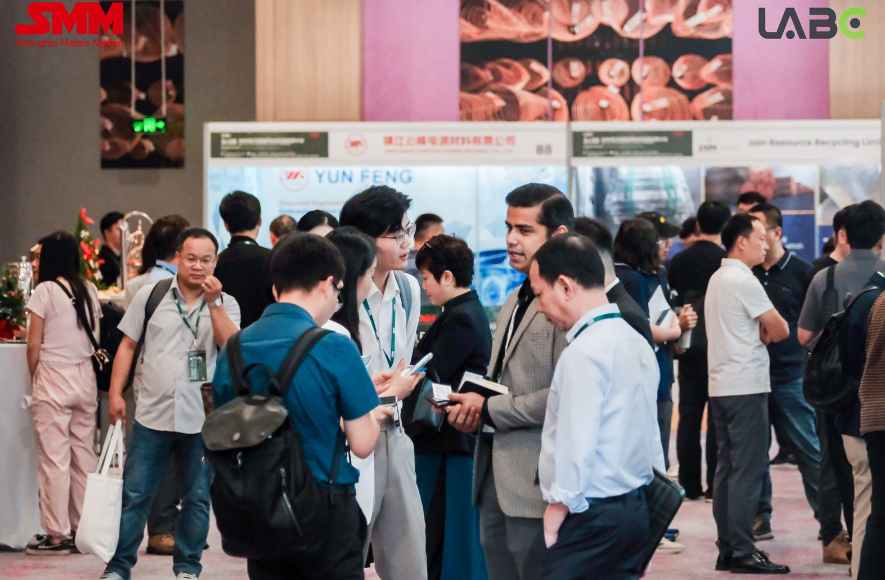
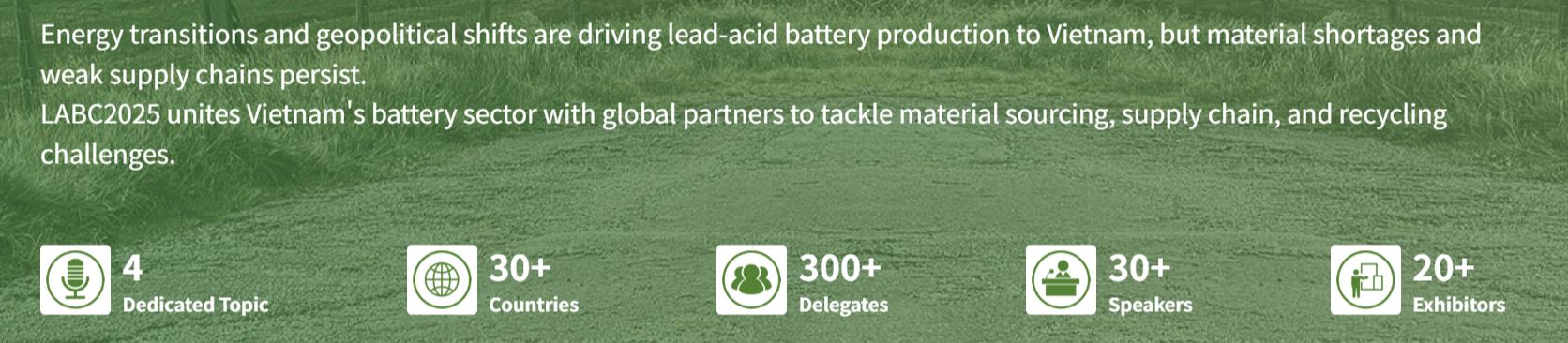
LABC2025 brought together Vietnam's key industry players with global ore suppliers, battery manufacturers, and end-users to jointly address challenges—from securing raw materials to optimizing supply chains and developing sustainable recycling solutions. The speakers shared their insights on a wide range of topics, including:
- Lead: The Markets, The Challenges, The Future – A Metallurgist’s Perspective
- Analysis of Haibao Group's Global Strategy and Lead Market Outlook
- Exploring New Pathways: Decoding the Current State of China's Secondary Lead Industry
- Current Status of Lead-acid and Lithium Battery Recycling in Japan
- Status Quo and Future Outlook of the Lead Recycling Market in India
- Global Development Trends of Electric Two-Wheelers and Impact on the Lead-Acid Battery Industry
- Future for Lead Batteries and CBI Overview
- Current Situation and Prospects of the Global Lead-acid Battery Supply Chain Market
- The Logic of Global Lead Ingot Price Dynamics and Medium- to Long-Term Trend Predictions
- The Global Development Path of Vietnam's Secondary Lead Industry Chain
Furthermore, SMM also meticulously organized two panel sessions. Executives from renowned enterprise provided in-depth insights on the following topics:
- How Resource Competition in the Secondary Lead Market Reshape the Global Lead Industry Chain?
- Breakthrough & Rebuild - Green Reconstruction of the Global Lead-acid Battery Supply Chain
Click to View Conference Photo Gallery
Main Forum
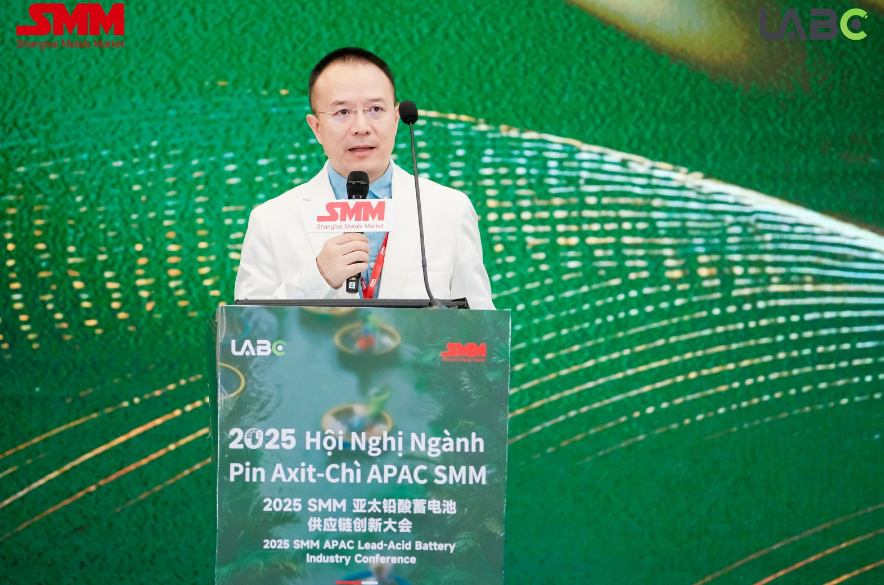
Opening Address
Adam Fan, Chairman of SMM
December 4
Speeches
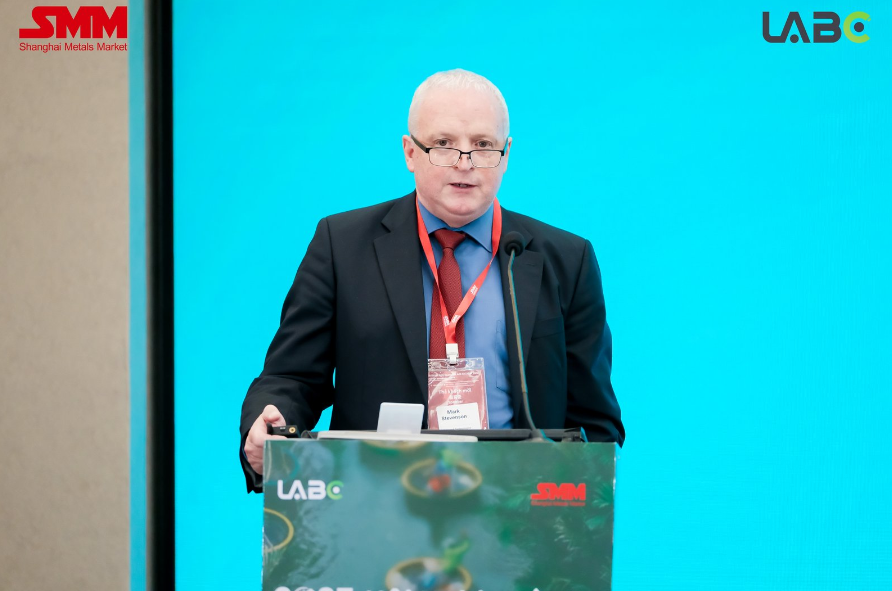
Keynote Speech: Lead: The Markets, The Challenges, The Future – A Metallurgist’s Perspective
Guest Speaker: Mark Stevenson, Technical Director of Global Lead Technologies
Keynote Speech: Analysis of Haibao Group's Global Strategy and Lead Market Outlook
Guest Speaker: Weixin Shen, Chairman of Jiangsu Haibao New Energy Co., Ltd.
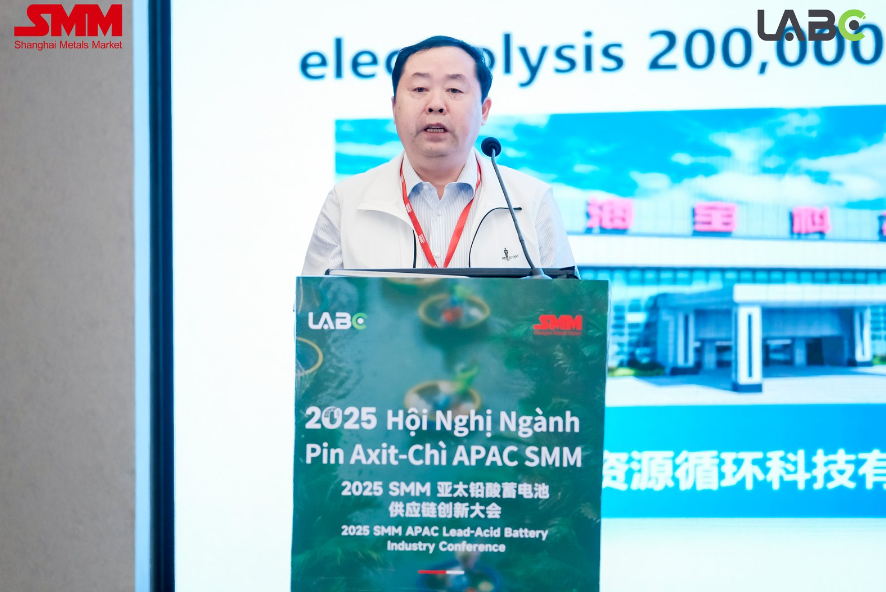
(This speech is not publicly available at the request of the speaker.)
Keynote Speech: Exploring New Pathways: Decoding the Current State of China's Secondary Lead Industry
Guest Speaker: Chunqiang Zhang, Vice President of Zhejiang Tianneng Resource Recycling Technology Co., Ltd.
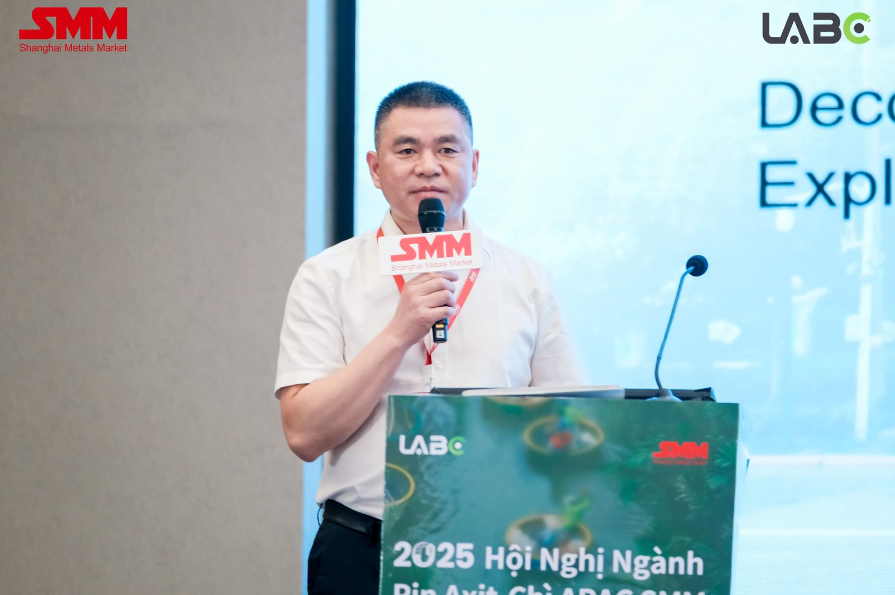
(This speech is not publicly available at the request of the speaker.)
Keynote Speech: Competitiveness and Prospects of Lead-Acid Energy Storage Technology in the Global Market
Guest Speaker: , Zhaoyong Liu, Chief Engineer, Ruida Power (Vietnam) Co., Ltd
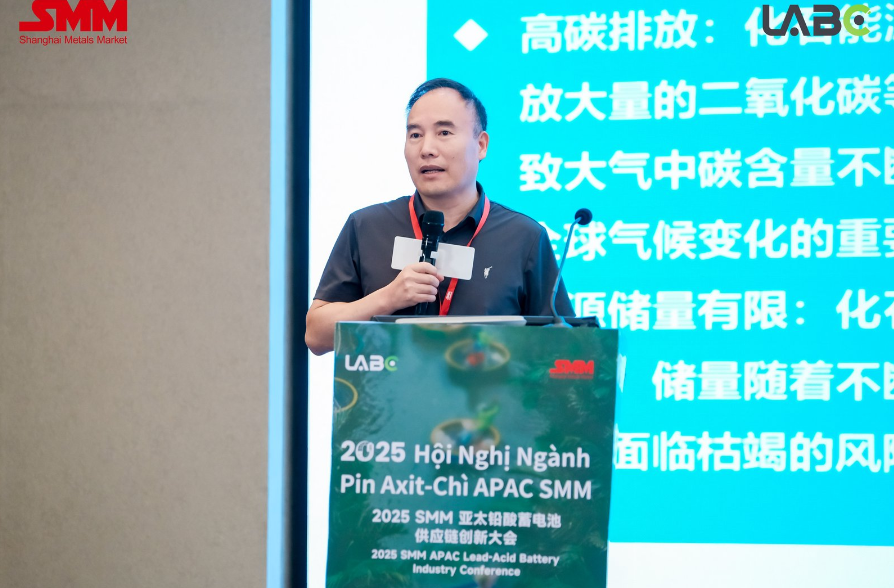
Global ESS Development Situation
Energy Transition: Shifting the Energy Structure from High-Carbon to Low-Carbon and Diversification
Characteristics of the High-Carbon Energy Structure Period
Dominance of Fossil Fuels: During the high-carbon period, fossil fuels such as coal, oil, and natural gas dominated the global energy supply for a long time. For example, for a long period in the past, various sectors including industrial production and transportation primarily relied on these fossil fuels to meet energy demands.
Keynote Speech: Current Status of Lead-acid and Lithium Battery Recycling in Japan
Guest Speaker: Midori Fushimi, Journalist, Iruniverse
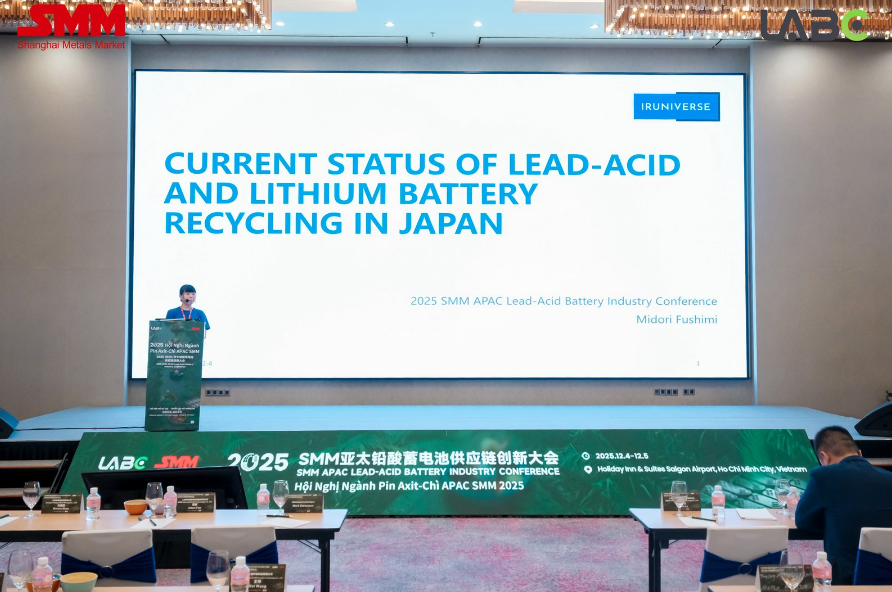
Lead-Acid Battery Recycling Status
The generation of lead-acid battery scrap in Japan continues to decline, primarily due to a significant reduction in the number of end-of-life vehicles (ELVs) domestically. This phenomenon is attributed to two main factors: first, a decrease in new car sales driven by factors such as population decline; second, the growth in used car exports is also a significant factor. Since about a decade ago, auction methods have gradually become popular and established in Japan, not only invigorating the used car market but also influencing the handling of ELVs. Now, both used cars and ELVs are traded through auctions.
Over the past decade, the number of ELVs in Japan has significantly decreased, from over 5 million units to approximately 2.7 million units, nearly halving. Meanwhile, although the overall number of enterprises engaged in dismantling business has decreased, dismantling enterprises with overseas capital backgrounds (such as from Iran, Saudi Arabia, Syria, the Kurdistan region, and China) have shown a growth trend.
Keynote Speech: Status Quo and Future Outlook of the Lead Recycling Market in India
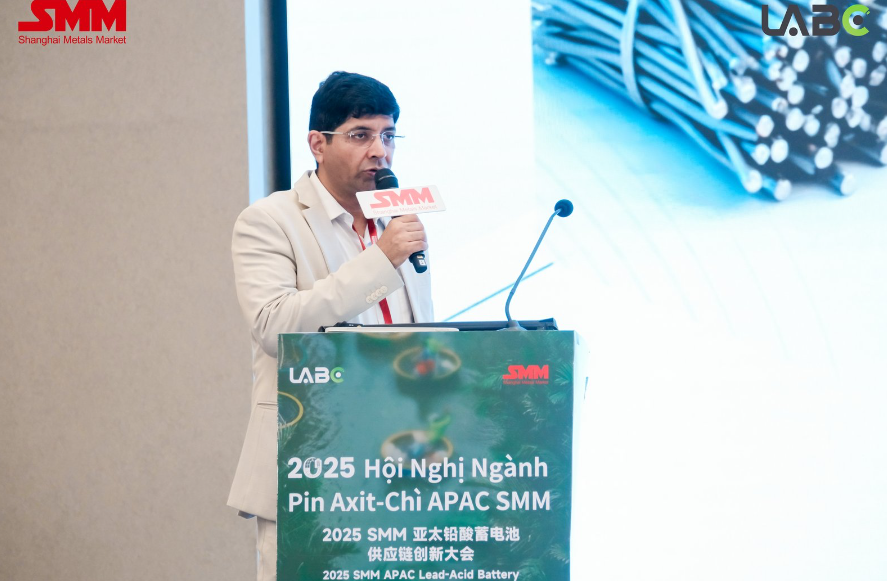
Guest Speaker: Mayank Pareek, Executive Committee Member of Material Recycling Association of India(MRAI)/Managing Director of Jain Metal Group
Indian Lead Market — Current Status and 2030 Outlook
Currently, India's lead demand is experiencing a period of rapid growth, with the growth momentum nearly doubling compared to the past five years. This growth is mainly driven by accelerated battery replacement frequency and a significant increase in demand for energy storage solutions. It is projected that from FY2024 to FY2030, lead demand will increase from approximately 1.37 million mt to nearly 2 million mt.
From 2024 to 2030, the compound annual growth rate of lead market demand is projected to be around 5.4-6.4%.
Overview of India's Secondary Lead Market
The structural driver of India's lead industry comes from recycling, with secondary lead consistently accounting for over 80% of the total supply. The secondary lead market is growing at a compound annual growth rate of 5%. As industry recognition and reliance on secondary lead continue to increase, rising demand in more application scenarios will further solidify its growth trend.
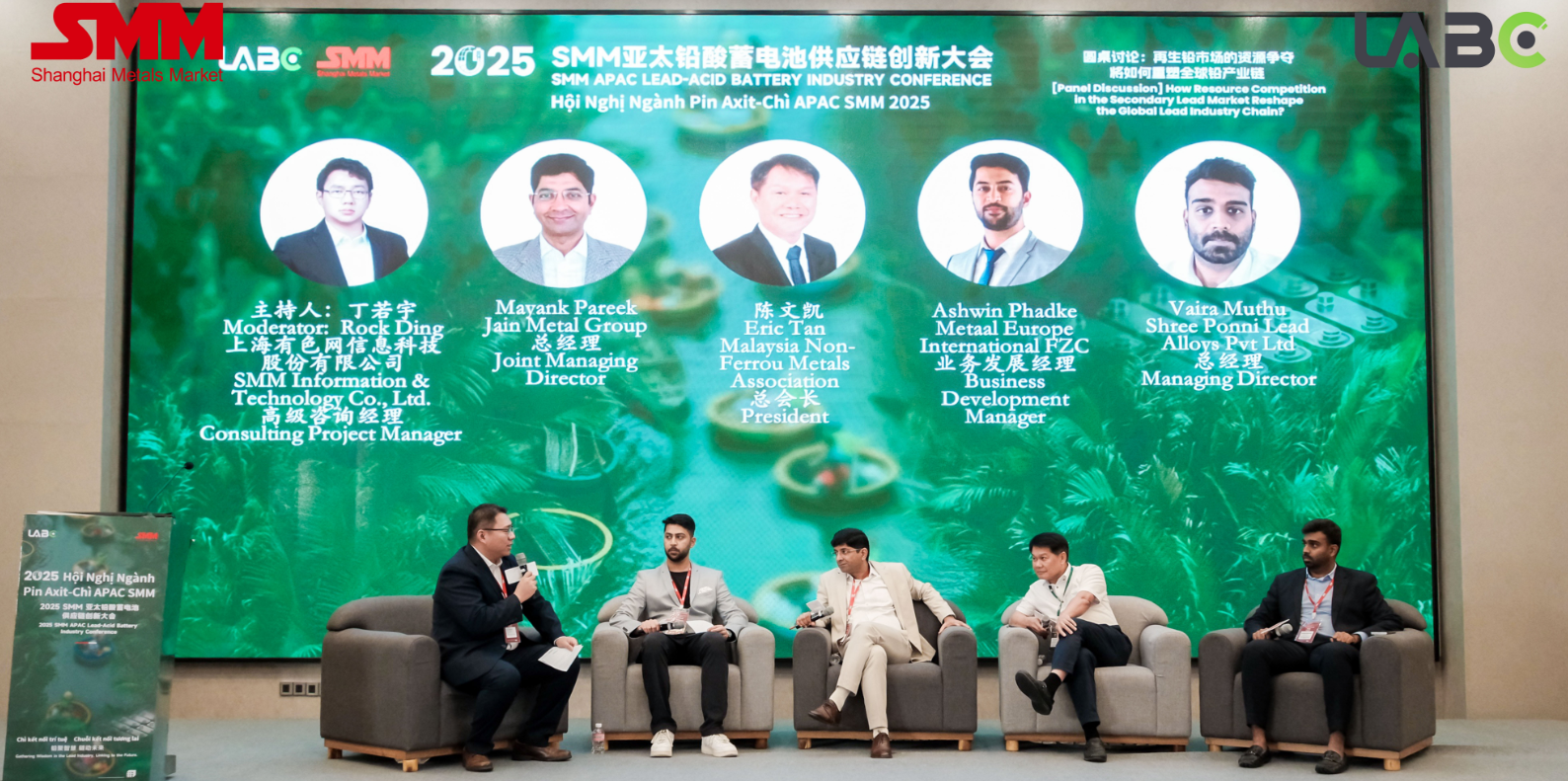
Panel Discussion: How Resource Competition in the Secondary Lead Market Reshape the Global Lead Industry Chain?
Moderator:
Rock Ding, Consulting Project Manager, SMM Information & Technology Co., Ltd.
Panelists:
Ashwin Phadke, Business Development Manager, Metal Europe International FZC
Mayank Pareek, Managing Director, Jain Metal Group
Eric Tan, President, Malaysia Non-Ferrou Metals Association
Vaira Muthu, Managing Director, Shree Ponni Lead Alloys Pvt Ltd.
December 5
Keynote Speech: Global Development Trends of Electric Two-Wheelers and Their Impact on the Lead-Acid Battery Industry
Guest Speaker: Rock Ding, Consulting Project Manager, SMM
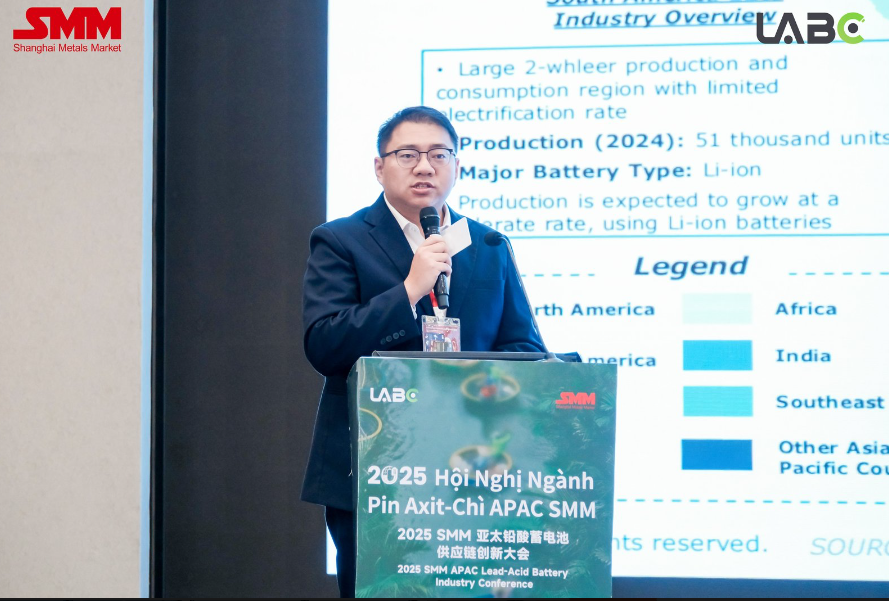
(This presentation is not publicly available at the speaker's request.)
Keynote Speech: Research Progress on Pb-Ca-Sn Grid Alloys for Deep Cycling
Guest Speaker: Weiguo Huang, Vice Dean of the Lead-Acid, Chilwee Group Central Research Institute

Lead-acid batteries are widely used due to their advantages such as a complete industry chain, intrinsic safety, and renewable recyclability of resources.
However, shortcomings like short cycle life and low specific energy limit their application in emerging fields that increasingly demand high cycle life and specific energy.
As one of the key components of lead-acid batteries, the grid serves to support the active material and collect current. Enhancing the grid's corrosion resistance, strength, and paste-grid adhesion is an important measure to improve the deep-cycle life and specific energy of batteries.
Pb-Ca-Sn alloy, known for low water loss during charging, suitability for deep-cycle use, and environmental friendliness, is widely used in valve-regulated sealed lead-acid batteries.
However, its interface effects and corrosion resistance remain bottlenecks hindering the development of high-performance batteries.
Keynote Speech: Future for Lead Batteries and CBI Overview
Guest Speaker: Yanchao Xing, Secretary-General, CONSORTIUM FOR BATTERY INNOVATION
Innovation in the Lead-Acid Battery Field: In terms of future technologies, CBI believes that bipolar batteries and AGM/TPPL batteries hold significant potential. Bipolar technology offers a solution with higher energy density and suitability for distributed applications. There are primarily two types and four entities developing bipolar technology. China's quasi-bipolar enterprises (Leadway/BSB) utilize South African technology. East Penn and ArcActive have made the most notable progress. Advanced high-capacity AGM—"the best battery case"—features long cycle life, using conventional high-capacity AGM/Gel 2V battery monomers, and employs carbon, battery management, and other technologies to enhance cycle life. Several key example enterprises (GS Yuasa, Shoto)—some using thin plate pure lead (TPPL)—(EnerSys, Hoppecke).
Regarding future projections for the lithium battery industry, CBI estimates that by 2030, global total battery capacity will reach 7.5 TWh, demand will reach 5 TWh, and the capacity utilization rate is expected to be around 67%, remaining at a relatively reasonable level. Specifically, global power battery shipments are projected to reach 3,368.8 GWh by 2030, nearly triple the 2023 level; ESS battery shipments are expected to reach 1,397.8 GWh, more than five times the 2023 level. From the perspectives of capacity expansion investment, shipment scale, and cross-industry comparisons, the new energy battery sector remains a vast and promising field, giving rise to multiple sub-sectors with market sizes reaching hundreds of billions or even trillions of yuan.
Keynote Speech: Current Situation and Prospects of the Global Lead-acid Battery Supply Chain Market
Guest Speaker: Wenquan Zhang, General Manager, Xupai Power Vietnam Co., Ltd.
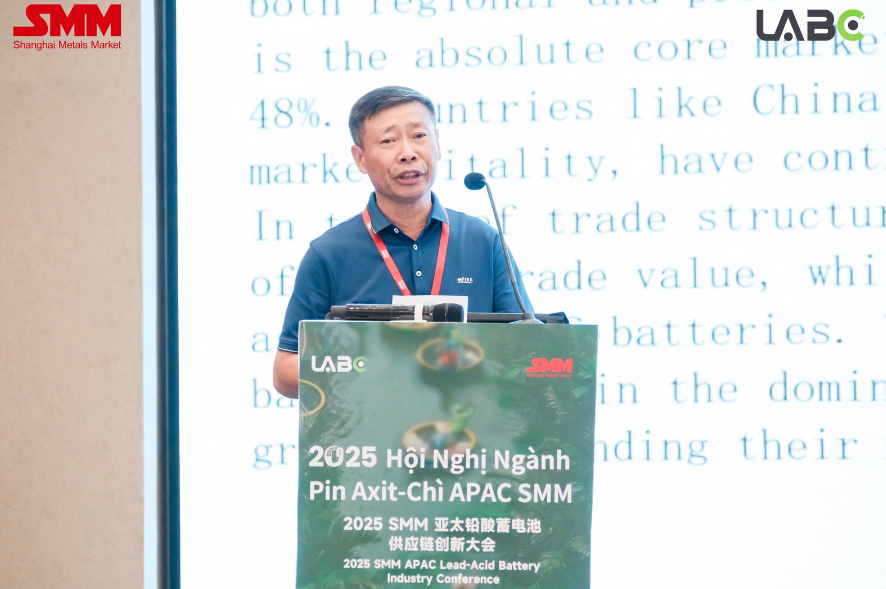
Market Status: Scale Expansion and Regional Divergence
First, looking at the market status, the global lead-acid battery market is currently exhibiting a trend of continuous scale expansion alongside regional development divergence.
In terms of scale and growth, the global lead-acid battery market size reached $54.924 billion in 2024, up 10.5% YoY, marking the highest growth rate in recent years, which is truly encouraging. What drove this growth? We can analyze it from regional and product structure perspectives. Regionally, the Asia-Pacific is the absolute core market, with industrial lead-acid batteries accounting for 48% of the share. Countries like China and India, with their robust industrial demand and market vitality, have contributed significantly to market growth.
In terms of trade structure, starter lead-acid batteries account for 70.18% of global trade value, while the remaining 29.82% comes from other products such as UPS and ESS batteries. This data clearly indicates that starting lead-acid batteries remain the dominant force in the market, but other product types are gradually expanding their market share.
Keynote Speech: The Logic of Global Lead Ingot Price Dynamics and Medium- to Long-Term Trend Predictions
Guest Speaker: Jianhua Ye, Industry Research GM, SMM
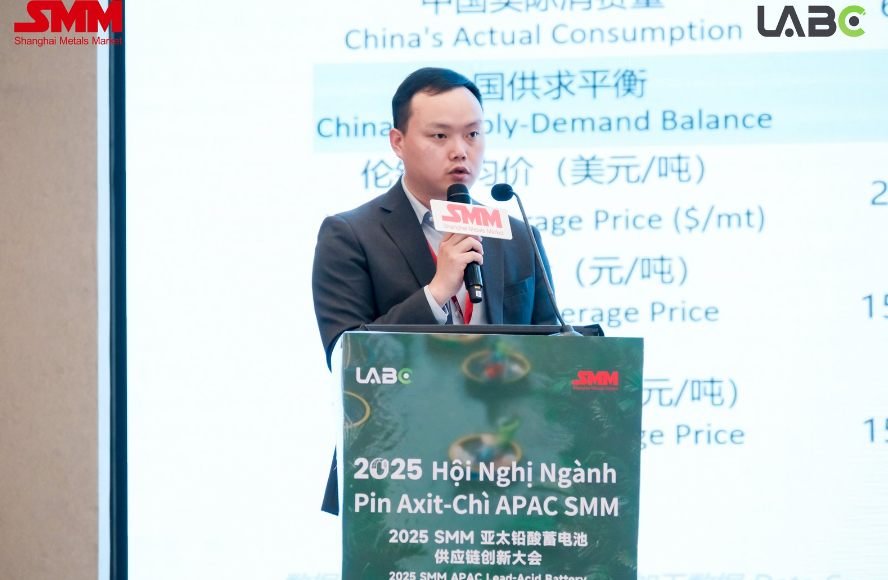
Jianhua Ye stated that SMM expects the global refined lead market to be in an oversupply situation in 2025, while the Chinese refined lead market will shift from a supply deficit in 2024 to a tight balance, with a slight oversupply still expected in 2026. Regarding prices, against the backdrop of global refined lead oversupply, the contradiction between raw materials and consumption in the domestic lead market continues to be contested. It is expected that from 2025 to 2026, the center of domestic lead prices will pull back slightly.
Evolution of Global Refined Lead Production Share by Continent: Americas and Africa's Supply Share Increases, While Asia's Supply Retreats After Rapid Rise
Currently, Asia holds the major share in global refined lead supply. However, in 2025, the production supply share of refined lead from the Americas and Africa markets began to show growth. Asia's refined lead supply is expected to retreat after a rapid rise in 2025, mainly due to losses at secondary lead smelters in recent years leading to a gradual contraction in secondary lead supply in Asia.
Meanwhile, refined lead supply from Oceania and Europe is expected to remain relatively stable in 2025, with Africa and the Middle East anticipated to have stronger growth potential in the future.
Keynote Speech: The Global Development Path of Vietnam's Secondary Lead Industry Chain
Guest Speaker: Liqiang Zou, Chairman, Công Ty Cổ Phần Kim Loại Màu Bắc Bộ
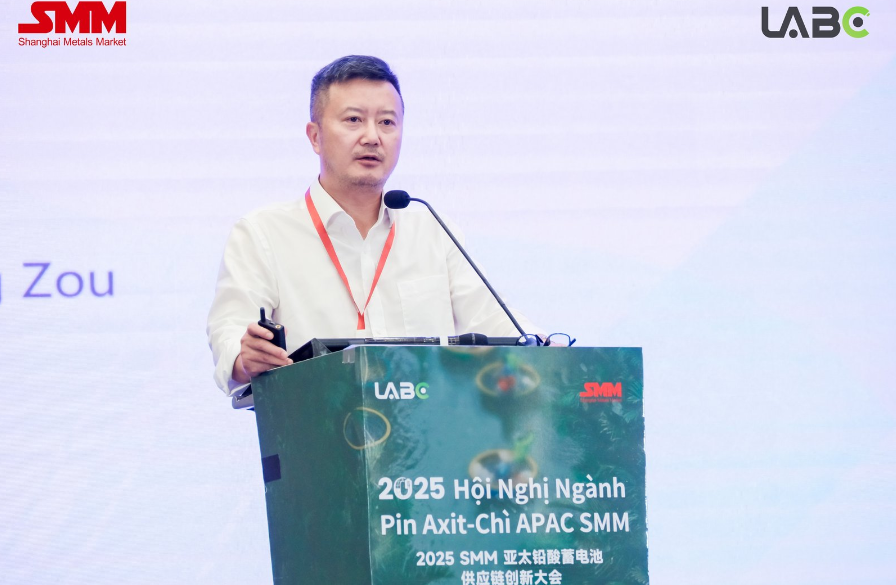
Analysis of the Current Status of Vietnam's Secondary Lead Industry Chain
Policy and Institutional Environment
Vietnam has included the secondary lead industry in its key areas for the green circular economy. Through policies such as the "2021-2030 Plan for the Recycling and Utilization of Renewable Resources," it has set a target for the secondary lead recovery rate to reach over 85% by 2030, accompanied by tax incentives to attract foreign investment. After the upgrade of the Vietnam-Japan Comprehensive Strategic Partnership in 2023, Japan's willingness to cooperate in areas such as environmental technology transfer and battery recycling standard formulation has significantly increased, injecting international experience into the industry chain. However, institutional bottlenecks remain, such as low efficiency in local environmental approval processes and cumbersome VAT deduction procedures for secondary lead enterprises, which constrain capacity release.
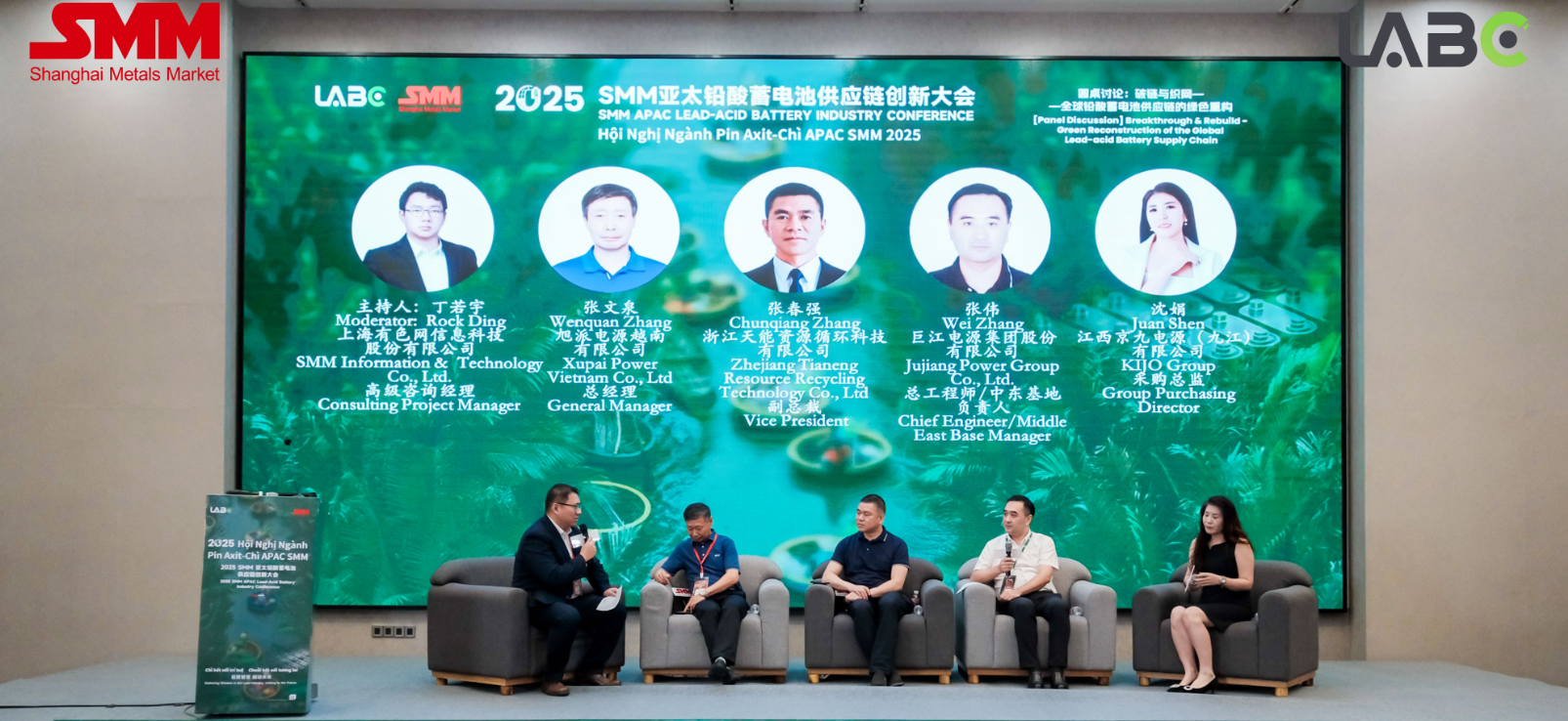
Panel Discussion: Breakthrough & Rebuild - Green Reconstruction of the Global Lead-acid Battery Supply Chain
Moderator: Rock Ding, Consulting Project Manager, SMM
Panelists:
Wei Zhang, Chief Engineer/Middle East Base Manager, Jujiang Power Group Co., Ltd.
Juan Shen, Group Purchasing Director, KIJO Group
Wenquan Zhang, General Manager, Xupai Power Vietnam Co., Ltd
Chunqiang Zhang, Vice President, Zhejiang Tianeng Resource Recycling Technology Co., Ltd
Conference Check-In
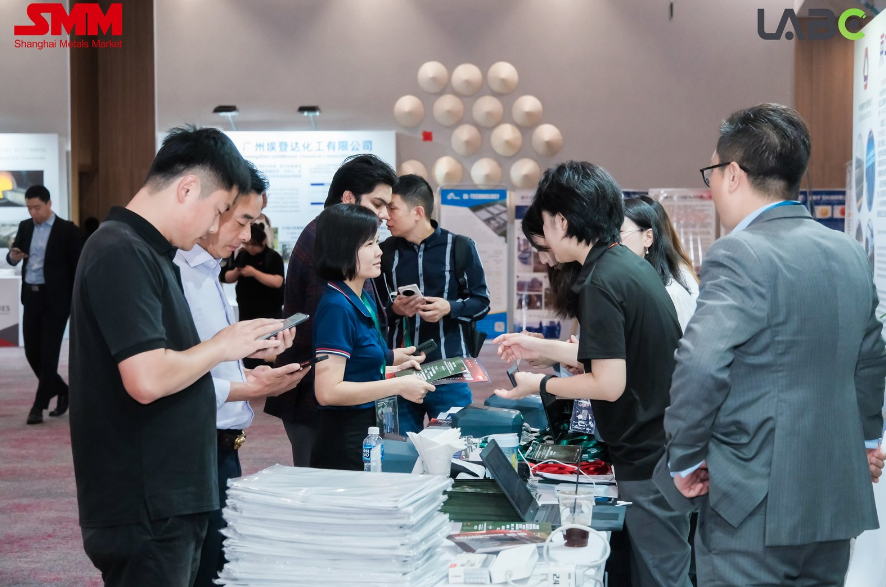
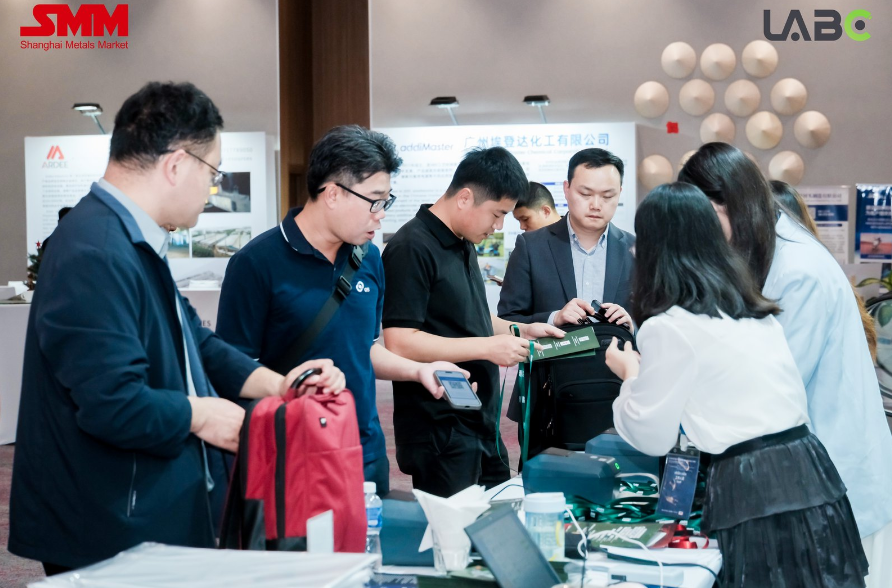
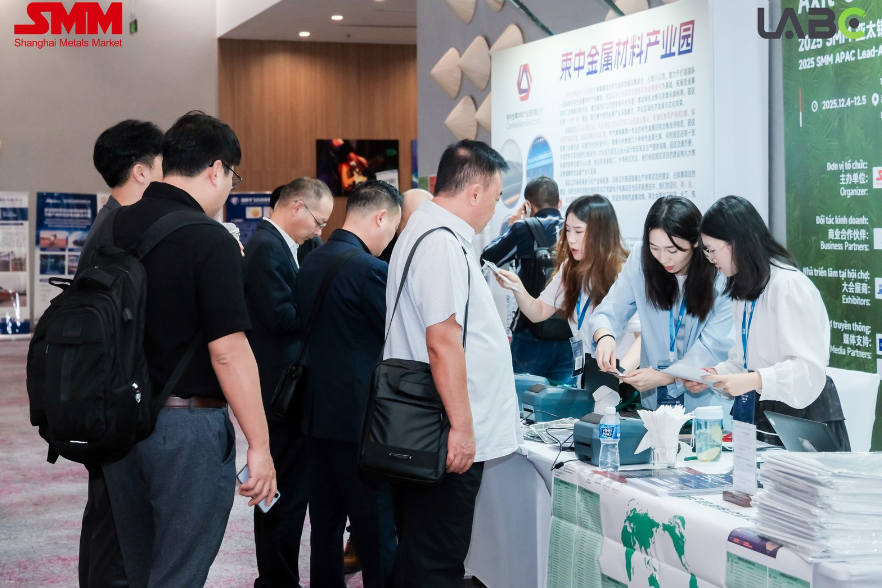
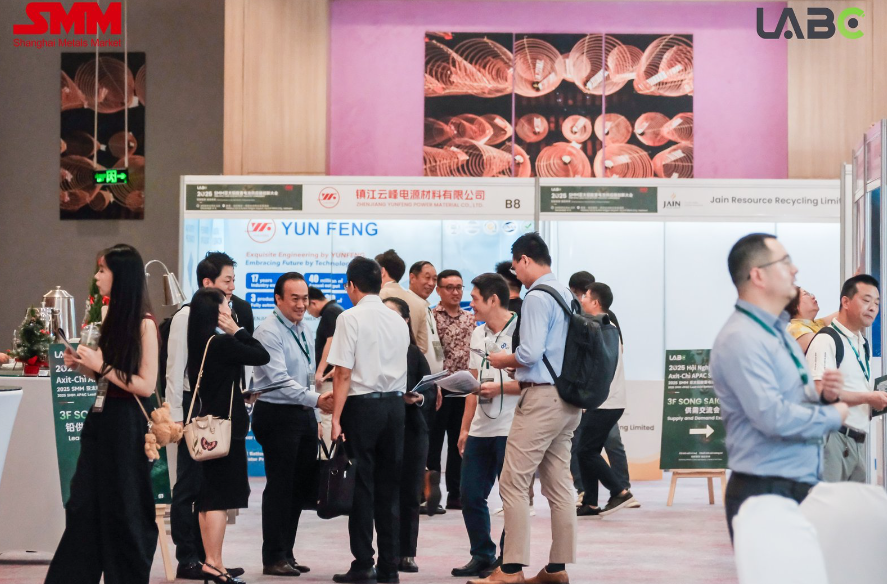
The 2025 SMM APAC Lead-Acid Battery Industry Conference has now concluded. Thank you for the support of all our industry peers!
We look forward to seeing you next year!


