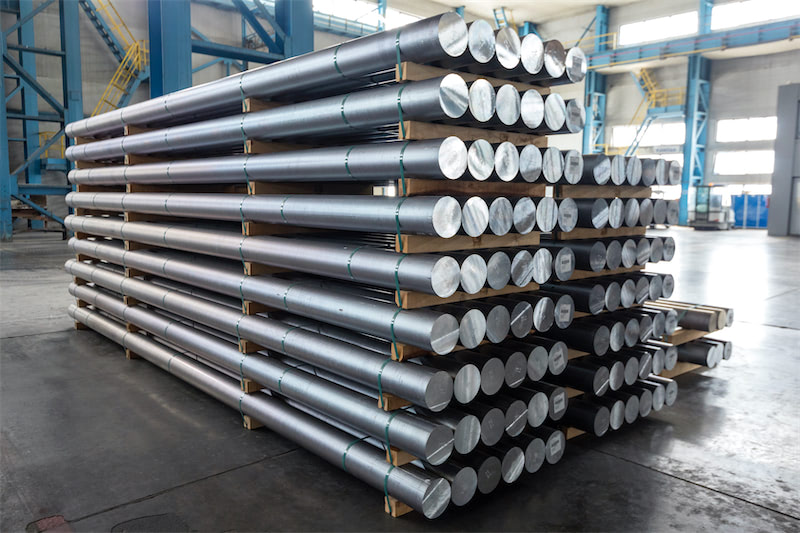
Metal materials are widely used in automotive components, and their price fluctuations significantly impact cost structures. According to SMM estimates, a typical NEV's cost breakdown is as follows: power battery (35%-40%), traction motor and motor controller (10%-20%), body/chassis/interior (30%), and other electronics (7%). This analysis focuses on the traction motor system, as SMM has extensively covered batteries elsewhere. Within the motor system (10%-20% of total vehicle cost), raw materials account for the largest share. Key metal inputs include rare earth-neodymium iron boron (NdFeB) magnets (30%-35%) , copper-enameled wires (15%) , and aluminum-structural components (20%) . The simultaneous surge in these metals from late 2025 to early 2026 has placed immense cost pressure on motor manufacturers and NEV OEMs . 1. Rare Earth Metals: Supply Squeeze and Demand Resilience Drive Prices Up Rare earth prices, particularly for praseodymium-neodymium (PrNd) metal, have risen sharply. As of February 9, 2026, PrNd prices reached 975,000–985,000 RMB/ton , a year-to-date increase of 33.1% . This acceleration stems from tight supply (limited upstream output, weak production activity, and reduced spot availability due to long-term contract deliveries) and robust demand (steady overseas orders for magnetic materials and growing expectations for NEVs and e-bikes in 2026). These factors collectively pushed prices upward . Motor manufacturers face greater challenges than magnetic material suppliers. They must absorb not only soaring rare earth costs but also high copper prices. Compounding this, motor makers struggle to pass cost increases downstream . NEV OEMs, grappling with fierce market competition, resist price adjustments. Consequently, motor producers are caught between expanding losses (if they continue production) and losing market share (if they halt operations). Their weak bargaining power, due to proximity to concentrated downstream customers, exacerbates the strain . 2. Copper: Structural Supply-Demand Imbalance and Financial Factors Copper prices rose sharply from 87,000 RMB/ton in late 2025 to 105,000 RMB/ton in early 2026 , a gain of over 20% , and have remained elevated. This rally was driven by: Supply-chain constraints : Production disruptions in major copper-producing countries (e.g., Chile, Peru), geopolitical tensions, and logistics bottlenecks limited short-term supply. Financial influences : Global liquidity conditions and inflation expectations attracted speculative capital, amplifying price volatility. Strong demand : Sustained optimism regarding data centers and cable demand further supported prices . The impact on motors is direct and significant. Copper, critical for stator and rotor windings, constitutes a substantial portion of motor raw material costs. The price surge adds hundreds of RMB to the cost per motor , translating to billions of RMB in additional annual expenses for large-scale OEMs. This pressure cascades through the supply chain, squeezing margins for material suppliers, motor makers, and vehicle manufacturers. While some industrial motor firms have raised prices, NEV OEMs have so far absorbed the costs, further straining their profitability . 3. Aluminum: Tight Fundamentals Amid Energy Transition Demand Aluminum prices climbed nearly 10% from December 2025 to January 2026, primarily due to structural supply-demand tightness . Demand is bolstered by global energy transition trends (e.g., NEV bodies, battery trays, and e-drive casings) and solar PV growth. On the supply side, aluminum production—highly energy-intensive—faces pressure from elevated global power prices, leading to unstable operational rates. Financial investors' focus on "green metals" has also contributed to price gains . Although aluminum's cost sensitivity is lower than copper's, it is widely used in motor housings, end covers, and cooling systems. Price increases directly raise motor manufacturing expenses, costing hundreds of millions of RMB for producers at million-unit annual scales and eroding margins for motor suppliers and OEMs . 4. Path Forward: Technology and Supply Chain Adaptation The concurrent rise in rare earth, copper, and aluminum prices has created unprecedented cost pressure. Motor and vehicle manufacturers urgently seek cost reductions, but technological solutions (e.g., flat-wire motors , material recycling ) require time. Short-term strategies include long-term supply contracts and futures hedging to manage risks. Long-term success will hinge on material innovation (e.g., reducing rare earth content, optimizing aluminum-for-copper substitution) and vertical supply chain integration to navigate resource constraints . SMM advises industry players to closely monitor policy shifts and alternative technologies, adapting procurement and production strategies dynamically
Feb 12, 2026 15:04[Cost Rise Fails to Provide Support, Weak Demand Leads to Decline in Both Volume and Price of LiPF6 in January] In January 2026, the LiPF6 market exhibited a simultaneous decline in both production and prices, primarily driven by a combination of factors including weakening end-use demand, subdued downstream purchase willingness, and a loose supply-demand pattern.
Feb 12, 2026 17:44SMM February 12 News: This week, domestic aluminum fluoride enterprises focused on order deliveries, with aluminum fluoride prices largely stable. The SMM aluminum fluoride price closed at 10,480-10,750 yuan/mt; cryolite prices remained stable, with the SMM cryolite quote at 7,000-9,000 yuan/mt. Raw material side: Prices of core raw materials for aluminum fluoride were largely stable. Specifically, delivery-to-factory prices for 97% fluorite powder were mainly steady, currently concentrated in the range of 3,100-3,400 yuan/mt. Supply side, conventional shutdowns occurred in north China due to low temperatures and the Chinese New Year holiday, leading to a decline in market supply; coupled with normalized environmental protection and safety supervision, operations at small and medium-sized mines were unstable. Imports were mainly medium and low grade, with limited supplementation of high-grade sources, prolonging structural tightness. Although the supply side contracted, social inventory remained high and shipments were sluggish, exerting some downward pressure on prices. Demand side performance was weak, with operating rates in the core downstream hydrofluoric acid industry remaining low, resulting in weak digestion capacity for fluorite powder and difficulty forming strong momentum. Market transactions were currently sluggish, and prices saw no major adjustments. Aluminum hydroxide prices stopped falling and stabilized, with the SMM weighted average price reported at 1,611 yuan/mt, flat MoM. The sulphuric acid market maintained a fluctuating and consolidating trend at highs, providing some support for aluminum fluoride costs. Overall, rigid cost support from the aluminum fluoride raw material side remains. Supply-demand side: In terms of supply, lower raw material prices effectively alleviated some cost pressure for enterprises, but due to strict constraints from environmental protection and energy consumption policies, dual restrictions from raw material costs and profit margins, as well as impacts from maintenance and production cuts at some enterprises, industry supply declined. On the demand side, operating aluminum capacity remained basically stable, providing solid rigid demand support for aluminum fluoride, but enterprises maintained a cautious procurement attitude, mainly restocking based on demand. Brief Review: Recently, raw materials such as fluorite and sulphuric acid on the cost side operated largely steadily, still providing rigid support for aluminum fluoride prices. The supply side has ample spot cargo, and coupled with expectations of production resumptions after the holiday, market supply is expected to further release; the demand side saw only a slight recovery relying on rigid restocking by aluminum enterprises, with insufficient incremental support. Under the interplay of multiple factors, aluminum fluoride prices are expected to fluctuate rangebound in the short term. Subsequent attention should remain on dynamic changes in raw material costs and marginal adjustments in the procurement pace of downstream aluminum enterprises.
Feb 12, 2026 18:21[SMM Aluminum Weekly Review: Macro Sentiment Remains Lackluster, Aluminum Prices in the Doldrums]
Feb 12, 2026 18:52[SMM Magnesium Weekly Review: Magnesium Market Remained Stable Pre-Holiday, Prices Steady in Major Production Areas, Overseas Inquiries Increased but Trading Remained Sluggish] This week, the domestic magnesium industry chain market operated steadily overall. As the Chinese New Year holiday approached, market trading activity gradually slowed, with participants generally adopting a wait-and-see attitude. The dolomite market remained stable overall; the suspension of production by top-tier enterprises in the Wutai region led to tight supply of high-quality resources, but other major production areas promptly compensated for the gap, ensuring stable supply. Steady operations at primary magnesium enterprises in Shaanxi, Shanxi, and Inner Mongolia generated rigid demand, coupled with rising pre-holiday freight costs pushing up expenses, supporting relatively strong prices. The magnesium ingot market held steady, as smelters in major production areas saw eased funding pressure and maintained firm offers, while downstream pre-holiday stockpiling concluded, resulting in sluggish spot trades. In the Tianjin Port FOB market, overseas new orders were scarce, mostly for forward delivery, with the Chinese New Year holiday impacting the progress of actual transactions. Magnesium powder enterprises slowed their production pace after completing raw material stockpiling, as both domestic and international procurement neared completion, leading to a cooling trading atmosphere. Magnesium alloy enterprises operated normally, but downstream die-casting and end-user companies gradually began holiday breaks, resulting in subdued orders. The tight supply-demand balance supported firm processing fees.
Feb 12, 2026 16:05In early February, the rhenium market showed a diverging trend of cooling trading activity alongside rising prices. Affected by a mix of factors, supply-demand dynamics in the market have become increasingly competitive, market participants have grown more cautious, and the overall market has displayed distinct phased characteristics. In terms of trading activity, market liquidity for rhenium weakened notably in early February compared with late January, mainly driven by sentiment spillover from the gold and silver markets. Recent price volatility in gold and silver has fostered a wait-and-see mood across the precious metals sector, which indirectly spread to scattered rare metals such as rhenium and slowed overall trading pace. Most market activity consisted of inquiries, with many investors remaining cautious; actual transactions were limited, supported only by small-volume rigid orders. Meanwhile, mild selling by retail investors emerged, reflecting uncertainty over the short-term outlook and further dampening trading sentiment. On the price front, despite weaker trading, rhenium prices remained firm and trended steadily higher, driven primarily by tight supply at the raw material upstream. Ammonium rhenate, the key feedstock for rhenium production, stayed in short supply with prices rising continuously, sharply pushing up raw material costs for downstream smelters. Supported by cost pass-through, end-product prices such as rhenium pellets also moved higher. However, as ammonium rhenate prices kept climbing, downstream smelters faced intense cost pressure. Some producers reported that price adjustments for finished products could not keep up with raw material inflation, squeezing profit margins, and a number of processors planned to raise the proportion of scrap recycling. Looking ahead, the supply picture for ammonium rhenate may see marginal improvement. Attracted by expanding profit margins, many copper‑molybdenum smelters have begun considering recovering ammonium rhenate via smelting by‑processing, which would help ease tight supply to some extent. That said, rhenium is a scattered rare metal present at very low concentrations in copper‑molybdenum ores, and recovery involves technical barriers. Even with increased recovery efforts, output will remain limited, implying a persistent supply deficit in the ammonium rhenate market. In terms of market expectations, the recent failed bidding for 3 tonnes of ammonium rhenate for Sinopec’s catalyst demand indirectly reflected producers’ optimistic outlook. Suppliers widely expect further upside for ammonium rhenate prices and were unwilling to sell in large quantities at current levels, resulting in the unsuccessful tender. Overall, rhenium prices are expected to stay firm in the short term, supported by tight raw material supply and producer reluctance to sell. Over the longer term, rising recovery from copper‑molybdenum smelters may alleviate supply pressure, but a supply gap will persist. The rhenium market is likely to remain high and volatile, with industry profit distribution continuing to shift alongside changes in supply and demand.
Feb 12, 2026 15:37Shanghai Metals Market (SMM) officially launched the Copper grade A cathode premium, cif Rotterdam, USD/(tonne) on February 24th, 2026.
PriceFeb 11, 2026 10:00SMM will update its Alumina Monthly Cost Model from January 2026, incorporating VAT into bauxite costs and discontinuing certain regional indicators.
DataFeb 3, 2026 15:55Dear User, Greetings! To assist secondary aluminum enterprises in accurately grasping the regional supply-demand pattern within the domestic market, obtaining real-time spot aluminum scrap price information from core production areas, effectively reducing information barriers and communication costs in transaction processes, and further improving the price system and research dimensions of the secondary aluminum industry chain, SMM, after multiple rounds of market surveys and data accumulation, plans to revise the content of the original price points. The specific update arrangements are as follows for market reference. Explanation of Modifications to the Original Aluminum Scrap Price Points: The content changes for the following four price points—Shredded Aluminum Tense Scrap (Foshan), Shredded Aluminum Tense Scrap (Anhui), Shredded Aluminum Tense Scrap (Changege), and Shredded Aluminum Cast Scrap (Foshan)—only involve supplementary modifications to the names, specifications, and definitions of the previous price points and do not affect the reference and viewing of corresponding historical prices. 1. Price Point Name: Shredded Aluminum Tense Scrap (Foshan) revised to Shredded Aluminum Tense Scrap Liquid Aluminum Price (Foshan) Specification: Water yield rate 90-93% revised to Water yield rate 90-93%, Copper >1.5% Definition: Transaction price, self pick-up price at goods yard revised to Liquid aluminum price, settled based on actual metal yield, guidance price for self pick-up at goods yards in the Foshan area. 2. Price Point Name: Shredded Aluminum Tense Scrap (Anhui) revised to Shredded Aluminum Tense Scrap Liquid Aluminum Price (Anhui) Specification: Water yield rate 90-93% revised to Water yield rate 90-93%, Copper >1.5% Definition: Transaction price, self pick-up price at goods yard revised to Liquid aluminum price, settled based on actual metal yield, guidance price for self pick-up at goods yards in the Anhui area. 3. Price Point Name: Shredded Aluminum Tense Scrap (Changege) revised to Shredded Aluminum Tense Scrap Liquid Aluminum Price (Changege) Specification: Water yield rate 90-93% revised to Water yield rate 90-93%, Copper >1.5% Definition: Transaction price, self pick-up price at goods yard revised to Liquid aluminum price, settled based on actual metal yield, guidance price for self pick-up at goods yards in the Changege area. 4. Price Point Name: Shredded Aluminum Cast Scrap (Foshan) revised to Shredded Aluminum Cast Scrap Liquid Aluminum Price (Foshan) Definition: Transaction price, self pick-up price at goods yard revised to Liquid aluminum price, settled based on actual metal yield, guidance price for self pick-up at goods yards in the Foshan area. Effective Time: The modifications to the aforementioned price points will be officially released starting November 12, 2025, and updated every working day. This revision aims to more accurately reflect market price levels through more refined grade classifications and provide market participants with more targeted decision-making references. Should you have any questions, please feel free to contact Chen Chichang at 021-51595820. SMM Aluminum Industry Research Team November 12, 2025
PriceNov 12, 2025 17:09