

110results found for 'crude oil prices'
Sort by : |
- In the short term, ferrous metals are consolidating at lows, and close attention should be paid to steel mill maintenance situations [SMM Steel Industry Chain Weekly Report]
This week, finished steel continued its gradual decline, while raw materials began to stabilize, with coking coal rebounding to some extent. During the week, rumors about a coal mine accident in Shanxi and customs clearance restrictions at the Mongolian border spread, boosting sentiment. Coupled with the China Mineral Resources talks, the raw materials side rebounded from lows. In the second half of the week, as rumors of maintenance at steel mills across various regions emerged, negative feedback expectations intensified somewhat, and raw materials pulled back. Approaching the weekend, however, the 10th round of coke price increases was initiated, pushing coking coal and coke futures higher. In the spot market, the off-season characteristics of end-users became increasingly evident, with the market restocking at low prices as needed. With spot prices remaining relatively firm, the spot-futures price spread continued to widen...
Jul 3, 2026 19:20 - Macro Risks Persist, Watch for Fundamental Improvement; Lead Prices Expected to Rebound Relatively [SMM Weekly Lead Market Forecast]
Next week, the main macroeconomic data to be released include China's June CPI annual rate and the US June ISM non-manufacturing PMI. This week, US non-farm payrolls data came in far below the previous value and expectations, cooling market expectations for a US Fed interest rate hike. The US dollar index may return to a weak range of fluctuation. Although the prospects for US-Iran peace talks remain unclear, the gradual recovery of shipping and maritime transport and the decline in crude oil prices indicate that supply chain markets are recovering. In addition, it should be noted that the US Fed will release the minutes of its monetary policy meeting next week. For LME lead, high lead ingot inventory outside China is the biggest bearish factor in current market trading, especially as LME lead prices fell, the LME lead Cash-3M contango did not narrow but widened, with the latest quote at -$37.79/mt. Fundamental news was mediocre, providing limited support for prices. In the near term, we need to pay more attention to the US dollar index trend and the new developments from next week’s US Fed meeting, and their impact on the metals market. LME lead is expected to trade in the range of $1,865-1,915/mt next week. For SHFE lead, this week, amid a carnival for bears, SHFE lead fell to a more than two-year low, causing lead smelters’ losses to widen and forcing secondary lead enterprises to cut or suspend production again. Bears then began to exit, and lead prices stopped falling and rebounded. Going forward, we need to monitor downstream enterprises’ purchasing trends. If lead ingot destocking materializes, lead prices may continue to rebound; otherwise, we should remain vigilant about bearish funds that have not exited. Next week, the most-traded SHFE lead contract is expected to trade in the range of 15,800-16,100 yuan/mt. Spot Price Forecast: 15,750-16,000 yuan/mt. Consumption side, the off-season trend in July remains unchanged. However, after large enterprises complete their semi-annual inventory checks and account closing, they will resume regular purchasing, which may bring some purchasing expectations. Supply side, primary lead enterprises are about to resume production after maintenance, turning supply expectations upward. Meanwhile, secondary lead enterprises are in a state of production cuts, leading to regional supply constraints. If lead prices continue to rebound next week, we need to watch for the possibility of secondary lead production resuming as losses are repaired. Spot lead is expected to remain in contango trading.
Jul 3, 2026 17:12 - [SMM Brief] Off-season demand, iron ore prices keep declining.
Iron ore prices followed an initial rise and subsequent decline this week, with the price center shifting further lower. The core drivers were that after the ninth round of coke price cuts was implemented, steel mill losses widened further. Combined with expectations of environmental protection-driven production restrictions in some regions, blast furnace maintenance plans increased, hot metal production continued to pull back, and the demand side was clearly under pressure. In terms of supply, global iron ore shipments and China’s port arrivals both increased MoM, with supply-side pressure intensifying somewhat and further weighing on ore prices. During the week, market talk that benchmark negotiations might restrict low-grade ore port cargo pick-up pushed futures to a short-term rebound. However, the market broadly viewed the probability of this measure actually being implemented as low, and after sentiment was released, price logic returned to a demand-led mode. Affected by this, spot prices performed weaker than futures. In port spot cargoes, the weekly average of the MMI 61% index slipped 5 yuan/mt MoM. Chart: MMI 61% Port Spot Index Source: SMM The domestic iron ore concentrate market edged lower this week, with regional divergence in performance. Prices remained basically stable in Tangshan, Qian’an, and Qianxi in Hebei. Areas such as Chaoyang, Beipiao, and Jianping in western Liaoning edged down by 5-10 yuan/mt. East China saw a pullback of 10-15 yuan/mt. Overall domestic ore production remained steady, but the resource landscape diverged by region. Supply in Hebei remained somewhat tight; within this, the Chengde area saw a further contraction in resource supply due to a mining accident, which provided some support to local iron ore concentrate prices. On the demand side, hot metal production at steel mill blast furnaces remained at a high level, still offering support to iron ore concentrate demand. However, steel mill profits have narrowed significantly recently, and the overall desire to bargain down prices is strong, causing local iron ore concentrate prices to edge down slightly. Chart: Tight Domestic Ore Supply Supports Prices — Domestic vs. Imported Ore Price Spread to Widen Further Next Week Outlook for Next Week Looking ahead to next week, the probability of the 10th round of coke price increases being implemented is relatively high. Increasing steel mill maintenance resulting from losses will lead to a larger decline in hot metal production. Iron ore demand will continue to deteriorate. Meanwhile, mines will push shipments in June, and imported ore port arrivals still have upside room over the next two weeks, leading to a slight accumulation in port inventories. In addition, a new round of talks between the US and Iran is scheduled for mid-month, and crude oil prices still face downside expectations, so iron ore shipping costs will remain weak. Iron ore prices will remain under pressure. However, considering the disturbance from benchmark negotiation news, there may be opportunities for a price rebound. Overall, iron ore prices are expected to remain in the doldrums next week. Domestically, the tight iron ore supply situation is expected to be difficult to alleviate. But given that demand for iron ore concentrates has weakened somewhat, steel mills’ push for lower prices will continue to dominate. The game between sellers and buyers continues. Overall, the domestic iron ore market is expected to be in the doldrums next week, but the decline may be smaller than that for imported ore.
Jul 3, 2026 13:26 - Crude oil fell for three consecutive days, most metals fell, SHFE zinc dropped over 1%, lithium carbonate rose for four straight days, and platinum, palladium and SHFE silver led the gains [SMM midday commentary]
SMM July 2 news: Metal markets: As of midday close, base metals on the domestic market mostly fell. SHFE copper and SHFE aluminum each fell within 0.2%. SHFE lead fell 0.72%. SHFE zinc fell 1.04%. SHFE tin rose 0.15%. SHFE nickel fell 0.41%. In addition, the most-traded cast aluminum futures fell 0.97%, while the most-traded alumina futures rose 0.21%. Lithium carbonate most-traded futures extended gains from the previous three trading days, rising another 1.26%. Silicon metal most-traded futures fell 0.18%. Polysilicon most-traded futures rose 0.36%. Ferrous metals mostly fell. Iron ore rose 0.54%. HRC and rebar fell within 0.5% each, and stainless steel fell 0.92%. Coking coal and coke: the most-traded coking coal contract rose 0.28%, and the most-traded coke contract fell 0.96%. In overseas base metal markets, as of 11:39 am, LME metals nearly all fell. LME copper fell 0.31%, LME aluminum fell 0.19%, LME lead was flat at $1,866.5/mt. LME zinc fell 0.2%, LME tin edged lower, and LME nickel fell 0.4%. In precious metals, as of 11:39 am, COMEX gold fell 0.16% and COMEX silver rose 0.03%. In domestic precious metals: SHFE gold rose 1.28%; the most-traded SHFE silver contract rose 2.06%. In addition, as of midday close, the most-traded platinum futures rose 5.12%, and the most-traded palladium futures rose 2.82%. As of midday close, the most-traded European route container freight futures fell 2.12% to 2,561 points. As of 11:39 am on July 2, midday futures quotes for select contracts: Spot and Fundamentals Aluminum: In the morning session, the trading center of the SHFE aluminum 2606 contract was higher than that of the same period on the previous trading day. Warrant cargoes continued to flow out of the market, and circulating spot supply was generally ample. Downstream only saw sporadic restocking, and with bearish sentiment spreading in the futures market, end-user purchase willingness was overall weak. Mainstream transactions were at parity to a premium of 20 yuan/mt over the SHFE aluminum 2607 contract... Macro Front Domestic: [The mandatory national standard "Safety Requirements for Combined Driving Assistance System of Intelligent and Connected Vehicles" was officially released] On June 27, the mandatory national standard "Safety Requirements for Combined Driving Assistance System of Intelligent and Connected Vehicles" (GB 47955—2026), organized, formulated and centralized by the Ministry of Industry and Information Technology, was approved and released by the State Administration for Market Regulation and the National Standardization Administration, and is scheduled to be officially implemented on January 1, 2027. 《Safety Requirements for Intelligent Connected Vehicles—Combined Driver Assistance Systems, grounded in the needs of industry development and regulatory oversight in China, takes into account technical feasibility, product compatibility, and practical implementability, and establishes a safety indicator framework with clear requirements, comprehensive dimensions, and alignment with national conditions. First, it fully considers different product forms and technical routes, proposing applicable safety requirements for three types of combined driver assistance system products: basic single-lane, basic multi-lane, and navigation driver assistance. Second, based on China’s road traffic characteristics, it sets out baseline requirements to ensure the safe operation of combined driver assistance systems across dimensions such as functional requirements, data recording, and vehicle manufacturer safety assurance. Third, recognizing the core positioning of these systems as "assistance" in driving, it puts forward requirements for user usage and operation in areas such as human-machine interaction, usage instructions, and user training, providing a foundational guarantee for proper coordination between users and systems. Fourth, in line with the practical needs of China’s industry management, it builds a multi-tiered evaluation approach encompassing field tests, road tests, and document inspections to comprehensively assess system safety capabilities. The PBOC conducted ¥288.5 billion in 7-day reverse repos today, with an operation rate of 1.4%, unchanged from the previous level. Today, ¥370.5 billion in reverse repos matured. US Dollar: As of 11:39, the US dollar index fell 0.03% to 101.39. Fed Chairman Warsh said Wednesday that inflation expectations and inflation risks have both declined in recent weeks, while reiterating the Fed’s commitment to bringing inflation down to the 2% target. "In the first few weeks of this period, inflation expectations have pulled back, and inflation risks have also eased," Warsh said. "If households, the business community, or financial markets think the Fed is comfortable with inflation above 2%—well, they are likely to be disappointed: we will ensure price stability in the US." Fed Chairman Warsh sidestepped questions on whether the Fed might raise rates at its July meeting. "I hope that when we meet in four weeks, we can have a robust 'internal family debate,'" he said. "When we close the doors and sit down together, we will have a vigorous debate. But beyond that, I have no further information to share." Warsh made the remarks at the ECB’s annual policy conference in Sintra, Portugal; this was his first public appearance since his inaugural press conference at the Fed last month. Since then, investors have begun to anticipate more rate hikes from the Fed, but the market currently sees the likelihood of a first hike this month at less than 50%. According to CME "Fed Watch": The probability that the US Fed will keep rates unchanged in July is 71.7%, and the probability of a cumulative 25-basis-point rate hike is 28.3%. The probability that the Fed will keep rates unchanged by September is 36.1%, the probability of a cumulative 25-basis-point hike is 49.8%, and the probability of a cumulative 50-basis-point hike is 14.1%. (Jin10 Data APP) On the data front: US manufacturing expanded for a sixth consecutive month in June, with the war-driven surge in input costs easing. Printing, electrical equipment, and textiles led the gains, while paper products, furniture, and wood products contracted. Market attention has now shifted to Thursday's US employment report. Julien Lafargue, chief market strategist at Barclays Private Bank and Wealth Management, noted that with Warsh prioritizing inflation, the June non-farm payrolls data is "unlikely to change rate expectations on its own." He added that hiring related to the FIFA World Cup is expected to distort the data. (Wall Street Insights) Data front: Today will see the release of the US June unemployment rate, US June seasonally adjusted non-farm payrolls, US initial jobless claims for the week ended June 27, US June average hourly earnings year-over-year, US June average hourly earnings month-over-month, US May factory orders month-over-month, Switzerland June CPI month-over-month, eurozone May unemployment rate, among other data. Additionally, watch for: the Ministry of Commerce's regular press conference for the first week of July, and 2027 FOMC voting member and San Francisco Fed President Daly’s participation in a conference on the Spanish economy. Due to the US Independence Day holiday (July 3), the US June non-farm payrolls data will be released earlier on July 2 (Thursday) at 20:30 Beijing time. US stock markets will be closed on July 3 (Friday). Trading in precious metals, energy, foreign exchange, US Treasury, and equity index futures contracts on CME will end early at 01:00 Beijing time on July 4. Trading in Brent crude oil futures contracts on ICE will end early at 01:30 Beijing time on July 4. Investors are advised to take note. (Jin10 Data APP) Crude oil: As of 11:39, oil prices in both markets extended their decline from the previous two trading sessions, with WTI down 1.4% and Brent down 1.24%. International crude oil prices pulled back due to progress in Middle East peace talks. (Wall Street Insights) As supply through the Strait of Hormuz rebounded, OCBC Group Research lowered its quarterly crude oil forecasts through the end of Q2 2027. Two OCBC strategists noted in a research report: "With the signing of a memorandum of understanding between the US and Iran, shipping and crude oil supply through the Strait of Hormuz have rebounded."They also said, "Market expectations that crude oil supply would return to normal quickly pushed oil prices back to pre-conflict levels, rekindling oversupply rhetoric." OCBC cut its Brent crude price forecast for Q3 2026 from $85 to $75 per barrel, Q4 2026 from $80 to $75, Q1 2027 from $75 to $73, and Q2 2027 from $75 to $71. (Jin10 Data APP) Increasing energy flows through the Strait of Hormuz prompted UBS to cut its 2026-2027 oil price forecast. UBS now expects Brent crude to average $84 per barrel this year, down $9 from its previous forecast. The bank also cut its 2027 oil price forecast from $85 to $75 per barrel. UBS said, "The decline in geopolitical risk and the rapid rebound in supply led to a larger price drop than we had expected." The bank expects oil prices to rebound slightly to $80 per barrel in H2 this year as floating storage in the Gulf region normalizes and demand recovers. UBS also believes risk premiums will be higher because the path to normalization may remain bumpy. UBS said, "The need to replenish inventories should continue to support prices through the end of 2027, but the required magnitude of stock rebuilding is smaller than the 1 billion barrels we previously expected." (Jin10 Data APP) Spot Market Overview: ► ► ► ► ► ► ► ► ► ► ► ► ►
Jul 2, 2026 14:15 - Dollar Falls for Third Day, Metals Broadly Decline, LME Aluminum Drops Over 3%, LME Nickel, SHFE Aluminum and SHFE Nickel Fall Over 2%, Oil Prices Rebound [Overnight Market]
SMM, June 30: Metals market: Overnight, base metals on overseas and Chinese markets mostly fell, with only LME copper and SHFE zinc rising together—LME copper fell 0.17%, while SHFE zinc gained 0.12%. LME aluminum dropped 3.11%, leading the decline; LME nickel, SHFE aluminum, and SHFE nickel all fell more than 2%, with LME nickel down 2.41%, SHFE aluminum down 2.19%, and SHFE nickel down 2.55%. LME tin fell 1.27%, and declines in other metals were all within 1%. Alumina main contract fell 0.82%, and cast aluminum main contract fell 1.08%. Overnight, in ferrous metals, iron ore gained 0.61%, stainless steel fell 0.92%, HRC and rebar fluctuated with relatively small declines, and in coking coal and coke, coking coal gained 0.16% while coke fell 0.18%. Overnight, in precious metals, COMEX gold fell 1.61% and COMEX silver fell 1.54%. In China, SHFE gold fell 1.25% and SHFE silver fell 0.98%. As of 6:42 AM on June 30, overnight closing prices: Macro Front China: [Li Qiang presided over a State Council executive meeting, which reviewed and approved the "15th Five-Year Plan Action Plan for Carbon Peaking" and the "15th Five-Year Plan for National Health"] Li Qiang presided over a State Council executive meeting, which reviewed and approved the "15th Five-Year Plan Action Plan for Carbon Peaking" and the "15th Five-Year Plan for National Health". The meeting noted that the strategic driving role of carbon peaking and carbon neutrality should be leveraged to promote the transformation and upgrading of the economic structure and create more green economic growth points. It is necessary to focus on key areas and critical links with sustained effort, accelerate the adjustment and optimization of the energy structure, advance industrial greening and low-carbonisation, improve systems for laws, regulations, standards, and carbon emission statistical accounting, conduct evaluation and assessment in a scientific and orderly manner, integrate green and low-carbon orientation into all areas and links of the national economic cycle, promote the formation of green production and lifestyles, and strengthen the green foundation for high-quality development. The meeting noted that in recent years, the construction of a Healthy China has accelerated, and people's health levels have continued to improve. It is necessary to build a full-life-cycle health service system, coordinate resource allocation, strengthen synergy among medical care, medical insurance, and disease control, and provide the public with systematic, continuous, high-quality, and efficient health services. It is necessary to vigorously develop the health industry, improve supporting policies, cultivate and expand new-type service formats in the health sector, enrich the supply of health products, strictly enforce quality and safety supervision, and enable the public to consume with confidence and live healthily. (CCTV News) [Li Qiang presided over a State Council executive meeting and heard a report on the development of artificial intelligence] Li Qiang presided over a State Council executive meeting and heard a report on the development of artificial intelligence. The meeting noted that it is necessary to deeply grasp the evolution trends of AI, improve supporting policies and governance systems, and firmly hold the initiative in development. Efforts should be intensified to promote AI innovation and breakthroughs, accelerate key technology research and the construction of ultra-large-scale intelligent computing clusters, strengthen the supply of high-quality data, enhance the guarantee of factors such as talent and capital, and support enterprises in conducting basic research and frontier exploration. It is necessary to deeply implement the "AI+" initiative, leverage China's advantages in having a complete industrial system and abundant application scenarios, and promote the accelerated large-scale commercial application of intelligent products and services. The bottom line of AI safety must be firmly upheld, improving institutional rules on technology ethics and testing and certification, building a dynamically adaptive, tiered, and classified safety regulatory system, and strengthening international cooperation on AI governance. (CCTV News) [Multiple Shanghai municipal departments jointly held a centralized meeting on the compliance governance of ride-hailing platforms] On the afternoon of June 29, led by the Shanghai Ride-Hailing Collaborative Supervision Task Force and coordinating multiple departments including transportation, public security, market regulation, human resources and social security, data, and communications management, a centralized meeting on compliance governance of ride-hailing platform enterprises was held citywide. The main responsible persons from 24 ride-hailing platforms and aggregation platforms in the city attended the meeting. Targeting various problems identified during inspections, the meeting specified five mandatory compliance governance requirements: first, platforms must strictly regulate capacity access management, comprehensively screen and remove non-compliant vehicles and personnel, and strictly prohibit dispatching orders in violation of regulations; second, improve the routine self-inspection mechanism for operational data to ensure that data is reported to regulatory authorities in a complete, timely, and standardized manner; third, implement full-chain control of safety production, strengthen dynamic verification of personnel and vehicle qualifications, and build a solid line of defense for safe operations; fourth, fully standardize the fee disclosure mechanism, with clear price labeling and transparent charging, to protect the legitimate rights and interests of both drivers and passengers; fifth, simultaneously enhance network security operation and maintenance management, complete network security graded protection assessments on schedule, and promptly identify and eliminate system security risks. (Shanghai Transportation) (Jinshi Data APP) US dollar: Overnight, the US dollar index fell 0.25% to close at 101.11, recording its third consecutive daily decline. US President Donald Trump responded on his social media platform to the "Supreme Court ruling on the case concerning a Federal Reserve Board member", stating: We will take corresponding action regarding the Cook lawsuit to ensure that Cook will not make crucial decisions (on FOMC monetary policy issues). Minneapolis Fed President Neil Kashkari publicly stated last Friday that his assessment of the federal funds rate has undergone a fundamental shift over the past three months. In March of this year, Kashkari still leaned toward the Fed cutting rates by 25 basis points. In his latest dot plot projections, however, he has marked one rate hike to be implemented within the year. As an official with voting rights on the FOMC in 2026, his shift in view also reflects a significant adjustment in the Fed's overall policy tone. The market simultaneously digested the signal of a collective hawkish turn by the Fed, leading to notable pricing adjustments. In early June, the probability of a rate hike within the year priced in by the market was only 25%; that figure has now climbed to 67%. (Wall Street CN) According to CME "FedWatch": The probability of the Fed maintaining rates unchanged in July is 70.1%, while the probability of a cumulative 25-basis-point rate hike is 29.9%. By September, the probability of maintaining rates unchanged is 37.2%, the probability of a cumulative 25-basis-point rate hike is 48.8%, and the probability of a cumulative 50-basis-point rate hike is 14.1%. (Jinshi Data APP) Other currencies: The yen depreciated against the US dollar to its lowest level since 1986. This "milestone" decline has sparked concerns within Japan and also put traders on high alert, closely watching whether authorities will intervene in the market. The yen briefly fell 0.1% against the dollar, touching 161.96, thereby breaching the 161.95 level reached in July 2024 when Japan took action to prop up the currency. The Bank of Japan raised its benchmark interest rate to 1% on June 16, the highest level since 1995. However, this move had little effect, as traders expect the Fed to maintain a hawkish stance going forward. Furthermore, the Japanese government is expected to call for the implementation of "appropriate" currency management in its basic policy guidelines, a move apparently aimed at dissuading the central bank from further rate hikes. Japan previously conducted record-scale foreign exchange intervention totaling ¥11.73 trillion, yet the yen remained persistently weak. According to the Ministry of Finance's foreign reserve data, Japan likely utilized its holdings of foreign securities, including US Treasury bonds, during this round of intervention to support the currency. (Jin10 Data APP) On the macro front: Data to be released today include China's June official manufacturing PMI, US April FHFA House Price Index month-over-month, US April S&P/CS 20-City Unadjusted House Price Index year-over-year, US June Chicago PMI, US May JOLTS Job Openings, US June Conference Board Consumer Confidence Index, UK Q1 GDP final year-over-year, UK Q1 Current Account, Germany June seasonally adjusted unemployment change, Germany June seasonally adjusted unemployment rate, Germany June CPI month-over-month preliminary, France June CPI month-over-month preliminary, Switzerland June KOF Economic Leading Indicator, Canada April GDP month-over-month, and Japan May unemployment rate. In addition, ECB President Lagarde delivered opening remarks at the Global Central Bank Forum in Sintra, the Reserve Bank of Australia released the minutes of its June monetary policy meeting, and the US and Iran held technical negotiations. Notably, on July 1, the Hong Kong Stock Exchange will be closed for the Hong Kong Special Administrative Region Establishment Day, with Northbound and Southbound Trading shut. The Toronto Stock Exchange in Canada will also be closed for Canada Day. On the crude oil front: Overnight, oil prices in both markets rose, with WTI up 1.72% and Brent up 1.34%. US-Iran geopolitical tensions flared up again, but optimistic market expectations for the gradual resumption of energy shipments through the Strait of Hormuz capped the gains to some extent. Morgan Stanley stated that due to the faster-than-expected reopening of the Strait of Hormuz, coupled with high US exports and low Chinese imports, it lowered its Brent crude oil price forecast. It cut its Q3 2026 price forecast by $15 to $75 per barrel; Q4 2026 by $5 to $75; Q1 and Q2 2027 by $5 to $75; and Q3 and Q4 2027 by $10 to $70. It noted: "For the market to balance in 2027, oil shipments through the Strait of Hormuz need only recover to 11-12 million barrels per day, about 65% of pre-conflict levels. Looking ahead to 2027, our model assumes this figure will be exceeded, and observable inventories will increase by 3 million barrels per day, which may put pressure on oil prices." (Wall Street CN) According to data from the US Department of Energy (DOE), crude oil inventories in the US Strategic Petroleum Reserve (SPR) decreased by 5.5 million barrels to 325.7 million barrels, the lowest level since May 1983. This drawdown was part of an agreement reached by the US to release 172 million barrels of crude from the reserve to fill global inventory gaps following the Iran conflict and help lower fuel prices. Amid strong US crude exports and refining demand, US crude inventories have declined rapidly in recent weeks. Since the conflict erupted at end-February, total US inventories through June 19, including commercial stocks and the SPR, have fallen by 111.4 million barrels to 743.3 million barrels, the lowest since 1984. (Jin10 Data APP) US President Trump posted that gasoline retailers must immediately lower prices. Given that crude oil prices have fallen to $68 per barrel and are still declining, current gasoline prices are far too high. Retailers must respond swiftly to this statement and take the right actions they know well—lower prices for our great American people. Price gouging will never be allowed; it is completely illegal. If retailers do not comply, they will face major trouble ahead! The target price should be around $2.50 per gallon (note: the current national average gasoline price is about $3.86 per gallon), and California should stop taxing gasoline so heavily. Soon, the tax will exceed the product price itself; the US will never tolerate this, and the people of California won't either—they are being squeezed by these absurd taxes and their state government. (Jin10 Data APP)
Jun 30, 2026 08:34 - Crude Oil Falls for Three Weeks, Metals Generally Rise, SHFE Zinc Up Over 2%, LME Tin Gains More Than 1%, Gold and Silver Edge Up but Weekly Lines Plunge [Overnight Market]
SMM June 27 News: Metals market: Last Friday’s overnight session saw nearly all base metals on the domestic market rise. SHFE zinc gained 2.16%, SHFE copper rose 0.9%, SHFE aluminum edged up 0.81%, and SHFE tin advanced 1.66%. SHFE nickel increased 0.36%. SHFE lead dipped 0.37%. In addition, the most-traded alumina futures contract climbed 0.64%, while the most-traded foundry aluminum contract rose 1.66%. Last Friday’s overnight session saw mostly gains in ferrous metals. Stainless steel added 0.48%, iron ore rose 0.54%, and rebar slipped 0.1%. Hot-rolled coil was flat at 3,312 yuan/mt. In coking coal and coke: the most-traded coking coal futures contract gained 1.13%, and the most-traded coke futures contract rose 1.21%. Last Friday’s overnight session in overseas metals saw broad gains for LME base metals. LME copper edged up. LME aluminum rose 0.39%, while LME lead fell 0.58%. LME zinc gained 1.8%. LME tin advanced 1.69%. LME nickel dipped 0.36%. Last Friday’s overnight session in precious metals : COMEX gold rose 1.37%, but COMEX gold posted a fourth consecutive weekly decline, down 3.37% for the week; COMEX silver gained 1.37%, while COMEX silver fell for a seventh straight week, down 10.79% for the week. Last Friday’s overnight session saw the most-traded SHFE gold contract rise 1.34%, but SHFE gold declined on a weekly basis, down 6.33% for the week; the most-traded SHFE silver contract climbed 2.61%, while SHFE silver declined on a weekly basis, down 15.23% for the week. Macquarie strategists noted that all eyes are currently on the trajectory of inflation and whether central banks, particularly the US Fed, will tighten policy to control prices. The apparent end of the Middle East conflict, combined with a more hawkish Fed stance, has led to a pullback in gold prices. The first meeting under new Fed Chair Walsh struck a “hawkish” tone, with the central bank under his leadership having the capacity to either “drive or suppress” the gold market. The shock from the Middle East situation is expected to drag on global growth in Q3, after which an eventual rebound in global growth and the start of a monetary easing cycle should push gold prices lower, as more investor funds rotate out of precious metals and into other assets. Investors have been taking profits and rotating into equities, which has created room for re-entry into precious metals and could drive a price rebound, but a significant macro event may be needed to reignite investor interest in gold. Spot gold prices are forecast to average $4,641 in 2026, up 35% YoY, but the average price is expected to decline 9.5% to $4,200 in 2027, followed by yearly declines through 2030. The bank lowered its year-end spot gold forecast to $4,300 from $4,400. (Jin10 Data APP) As of 7:46 a.m. on June 27, closing prices from last Friday’s overnight session: Macro front China: [National Bureau of Statistics (NBS): Profits of China’s industrial enterprises above designated size grew 18.8% in January–May, with the electronics sector providing significant support] Data from the NBS showed that total profits of industrial enterprises above designated size nationwide reached 3,143.96 billion yuan in January–May, up 18.8% YoY. From January to May, among industrial enterprises above designated size, state-controlled enterprises realized total profits of 1,048.66 billion yuan, up 19.6% YoY; joint-stock enterprises realized total profits of 2,434.81 billion yuan, up 24.1% YoY; foreign-invested enterprises and those funded by Hong Kong, Macao, and Taiwan investors realized total profits of 695.72 billion yuan, up 4.2% YoY; and private enterprises realized total profits of 772.65 billion yuan, up 10.7% YoY. Yu Weining, chief statistician of the Industrial Department of the National Bureau of Statistics (NBS), interpreted the profit data of industrial enterprises for January–May 2026. Yu Weining noted that the electronics sector played a significant supporting role. From January to May, profits of the equipment manufacturing industry above designated size increased by 14.1% YoY, boosting the overall profit growth of industrial enterprises above designated size by 5.2 percentage points. From an industry perspective, the global AI technology revolution has led to explosive demand for high-end computing power chips and memory chips, driving rapid profit growth in the electronics sector. From January to May, profits of the electronics industry surged 103.9% YoY, contributing 43.1% to the profit growth of all industrial enterprises above designated size, making it a crucial underpinning for the relatively rapid profit growth of these enterprises. [Series of 7 National Standards for "Artificial Intelligence — Agent Interconnection" Released] At a press conference held by the State Administration for Market Regulation (SAMR), it was announced that the series of national standards "Artificial Intelligence — Agent Interconnection" has been officially released. With the rapid iteration of technologies such as large models, artificial intelligence is accelerating from the stage of perception and understanding into a new phase of generative decision-making and autonomous execution. An agent, as an intelligent system with capabilities in autonomous perception, memory, decision-making, interaction, and execution, represents an important application form of next-generation AI. It is also a key vehicle for AI technology to empower diverse industries and underpin high-quality development of the intelligent economy. The seven national standards in the "Artificial Intelligence — Agent Interconnection" series released this time comprehensively cover core aspects including overall architecture, identity codes, identity management, agent description, agent discovery, agent interaction, and agent tool invocation. They systematically establish a closed-loop standards framework encompassing "identity identification—capability description—supply-demand discovery—collaborative interaction—tool invocation," effectively filling the standard gap in this field. With unified architecture and interaction rules established through these standards, enterprises can reuse standardized components, reduce customized development, and shorten time-to-market. At the same time, they lay an institutional foundation for cross-domain trustworthiness and secure interaction by establishing unified identity authentication and full traceability mechanisms. (CCTV News) The People's Bank of China and the General Administration of Customs have issued a notice to solicit public opinions on the "Administrative Measures for the Import and Export of Gold and Gold Products (Draft for Comments)." (From Wall Street CN APP) [Three Departments: Further Improve Work Related to Collection of Mineral Rights Transfer Proceeds] The Ministry of Finance, Ministry of Natural Resources, and State Taxation Administration have issued a notice on further improving the collection of mineral rights transfer proceeds, clarifying that late payment penalties for mineral rights transfer proceeds will no longer be collected starting August 1, 2026. If a mining rights holder fails to pay the mineral rights transfer proceeds in full and on time, a penalty of 0.2% per day will be charged from the date of default, with the total penalty not exceeding the principal amount owed. Penalties for mineral rights transfer proceeds will be recorded under the mineral rights transfer proceeds category and shared between central and local governments according to the same proportion as mineral rights transfer proceeds. Late payment penalties that have already accrued before the implementation of this notice shall continue to be paid in accordance with previous regulations, and penalty charges will not apply. US Dollar: The overnight US dollar index fell 0.1% last Friday, closing at 101.36. On a weekly basis, the dollar index recorded its second consecutive weekly gain, rising 0.6% for the week. US Treasury yields and the dollar edged lower as oil prices declined and the market reassessed the US interest rate outlook. The CME FedWatch Tool shows the probability of one rate hike this year remains high at 42%, while the chance of a second hike has dropped to 28% from 34% a week ago as inflation expectations cool. A Wall Street Journal survey indicates the University of Michigan Consumer Sentiment Index, set to be released at 10 a.m. US Eastern Time (10 p.m. Beijing Time), is expected to rise from 44.8 to 49. (Jinshi Data APP) Reuters Poll: 78 of 102 economists surveyed expect the Fed to keep the federal funds rate unchanged at 3.50% to 3.75% in 2026, compared with 72 of 102 economists who held this view in the early June survey. Artem Sakhbiev, FX strategist at BCA Research, said in a report that the recent rebound in the US dollar appears somewhat overextended and lacks the support needed to break out of the trading range of the past year. The Fed revised its interest rate projections upward at last week's meeting and explicitly focused on inflation. This led to a significant rise in inflation-adjusted real yields and eased concerns about political pressure for rate cuts, thereby boosting the dollar. However, this move now appears largely exhausted. The Fed is likely to hold rates steady, and the spread between short- and long-term yields could widen. (Jinshi Data APP) According to Nick Timiraos, known as the "Fed mouthpiece," sources say the search for a new president of the Federal Reserve Bank of Atlanta has reached an impasse. The initial list of candidates failed to yield a final selection, forcing the bank to restart the selection process, which has now lasted seven months. On the surface, this was just a minor procedural hiccup. But at the same time, the independence of the US Fed is facing a severe test. Reserve Bank presidents are crucial to the Fed's independence: they participate in setting interest rates, and their appointment process is deliberately designed to avoid influence from Washington politics. (Jin10 Data App) Fed official Kashkari stated that signs of widespread inflation led him to expect one rate hike this year in the Fed economic forecasts released earlier this month. Rates are expected to remain unchanged in 2027. In a media interview on Friday, Kashkari said: "I am concerned about inflation, not just related to the Middle East situation, but signs of broader inflationary pressures in the economy." The Iran war pushed up oil prices, and prices rose across many categories. This has intensified concerns among some Fed officials that inflation is becoming more broad-based and persistent, potentially requiring stronger action from the central bank. A report released earlier this week showed the May PCE annual rate came in at 4.1%, the largest increase since April 2023. Prices have exceeded the Fed's 2% target for over five years. In the dot plot forecasts released by the Fed last week, half of the officials who submitted dot plot projections expected at least one rate hike this year. (Jin10 Data App) The US goods trade deficit widened to its highest level in over a year in May, as exports fell and imports rose. Data released by the Commerce Department on Friday showed the goods trade deficit expanded 27.4% from the previous month to $105.8 billion, compared to an expected deficit of $85 billion. US goods exports fell 5.4% in May, dragged down mainly by declines in multiple categories, including shipments of industrial supplies. This category covers crude oil and petroleum products. Over the same period, imports rose 3.6%. (From Wall Street CN APP) In other currency news: As London experiences record-breaking heat, Bank of England officials are starting to worry that weather could become the next shock driving up inflation, just as the previous supply shock is fading. Climate scientists increasingly expect a strong El Niño event to form later this year into 2027, disrupting global weather patterns. Now, economists are also concerned this could trigger a new round of supply shocks, push up food inflation, and once again frustrate global central banks' efforts to fight inflation. (From Wall Street CN APP) On the macro front: This week will see the release of data including the Eurozone June industrial sentiment index, Eurozone June economic sentiment index, US June Dallas Fed business activity index, Japan May unemployment rate, China June official manufacturing PMI, UK Q1 GDP annual rate final, UK Q1 current account, France June CPI monthly rate preliminary, Switzerland June KOF economic leading indicator, Germany June seasonally adjusted unemployment change, Germany June seasonally adjusted unemployment rate, Germany June CPI monthly rate preliminary, Canada April GDP monthly rate, US April FHFA house price index monthly rate, US April S&P/CS 20-City non-seasonally adjusted house price index annual rate, US June Chicago PMI, US May JOLTS job openings, US June Conference Board consumer confidence index, China June RatingDog manufacturing PMI, France June manufacturing PMI final, Germany June manufacturing PMI final, Eurozone June manufacturing PMI final, UK June manufacturing PMI final, Eurozone June CPI annual rate preliminary, Eurozone June CPI monthly rate preliminary, US June Challenger job cuts, US June ADP employment change, US June S&P Global manufacturing PMI final, US June ISM manufacturing PMI, US May construction spending monthly rate, Switzerland June CPI monthly rate, Eurozone May unemployment rate, US June unemployment rate, US June seasonally adjusted nonfarm payrolls, US initial jobless claims for the week ending June 27, US June average hourly earnings annual rate, US June average hourly earnings monthly rate, US May factory orders monthly rate, China June RatingDog services PMI, France May industrial output monthly rate, France June services PMI final, Germany June services PMI final, Eurozone June services PMI final, UK June services PMI final, and other data. Additionally, this week, attention should be paid to: 2027 FOMC voter and Richmond Fed President Barkin delivering a speech; the ECB holding its Central Bank Forum in Sintra through July 1; the 2026 Beijing Space Computing Conference taking place from June 29 to 30; ECB President Lagarde speaking in Sintra; the Reserve Bank of Australia releasing the minutes of its June monetary policy meeting; the ECB holding its Central Bank Forum in Sintra; the US and Iran holding technical negotiations (to be confirmed); Fed Chairman Walsh, ECB President Lagarde, Bank of England Governor Bailey, and Bank of Canada Governor Macklem speaking at the ECB Forum; the ECB holding its Central Bank Forum in Sintra; ECB President Lagarde delivering a speech; Bank of England Governor Bailey speaking on the coordination of fiscal and monetary policy; and a new round of domestic refined oil product price adjustments opening in China. It is worth noting that on July 1, the Hong Kong Exchanges and Clearing Market was closed for the Hong Kong Special Administrative Region Establishment Day, with both Northbound and Southbound trading shut. On July 3, the US-NYSE was closed for the US Independence Day holiday; trading in CME precious metals, energy, foreign exchange, US Treasury, and equity index futures contracts ended early at 01:00 Beijing time on the 4th due to the US Independence Day holiday; trading in ICE Brent crude oil futures contracts ended early at 01:30 Beijing time on the 4th due to the US Independence Day holiday. In crude oil: Both oil futures fell in overnight trading last Friday, with US oil dropping 2.34% and Brent oil dropping 2.52%. On a weekly basis, US oil futures recorded a three-week losing streak, falling 7.4% for the week; Brent oil futures also fell for a third straight week, dropping 8.06% for the week. Brent spot crude oil prices fell back to pre-war levels, and the near-month contracts exhibited a contango structure—where near-term prices are lower than those further out—for seven consecutive days, reflecting a temporary oversupply. Tariq Zahir, a managing member at Tyche Capital Advisors, indicated that oil prices had "dropped too fast, too furiously," the ceasefire agreement remained fragile, and the situation in the Strait of Hormuz was still fraught with variables, so fluctuations were expected to persist. Rich Privorotsky, head of Goldman Sachs' One-Delta business, pointed out that Iran had begun a show of force near the Strait of Hormuz, some cargo ships had altered their routes, and the inventory overhang in the Gulf region was gradually flowing into the market. He believed that while the probability of a significant near-term price rise in crude oil was limited, the basis for a further substantial drop from current prices was equally insufficient. (From Wallstreetcn APP) US natural gas drilling rig additions recorded the largest single-week increase in four years. Data from Baker Hughes showed that the number of active oil drilling rigs operated by US energy enterprises reached 440 last week, marking a two-week consecutive increase, up from 433 the previous week. Active natural gas drilling rigs rose to 573, recording the largest gain since June 2022, compared with the prior figure of 563. (From Wall Street Cn APP) A report from the US Energy Information Administration (EIA) indicated that US refining capacity decreased by 263,000 barrels per day (bpd) in 2025, a decline of 1.43%. This was primarily driven by the planned conversion of a major refinery in Houston and the closure of a refinery in the Los Angeles area due to market dynamics, which is known for strict environmental regulations. Marathon Petroleum, headquartered in Findlay, Ohio, maintained its position as the largest US refiner with a total refining capacity of 2.986 million bpd, accounting for 16.4% of the nation’s total capacity. (From Wall Street Cn APP) Furthermore, Iraq’s Ministry of Oil stated that OPEC has begun to gradually restore Iraq’s pre-war production quota, a move which will strengthen Iraq’s output capabilities and support the recovery of the oil sector. A high-level consensus has been reached within OPEC, fully taking into account Iraq’s past special circumstances and current actual needs. (From Wall Street Cn APP) Barclays said it has lowered its Brent crude oil price forecasts, cutting the 2026 estimate from $100 per barrel to $96, and the 2027 estimate from $88 to $85, citing the recovery of oil shipments through the Strait of Hormuz. Oil flows through the Strait of Hormuz have rebounded substantially, reaching about 80% of pre-war levels. However, this normalization process remains incomplete. The bank noted that Iran’s assertion of control through fee impositions and coordination mechanisms has created frictions and may potentially delay a full recovery. A temporary deal reached last week aimed at ending the US-Israeli war against Iran has allowed traffic on the Strait of Hormuz shipping route to resume. (From Wall Street Cn APP) Recommended Reading:
Jun 29, 2026 08:05 - In the short term, ferrous commodities will continue to consolidate near the bottom [SMM Steel Industry Chain Weekly Report]
This week, ferrous metals fell continuously. During the week, there were many disturbances from unverified market rumors, but overall macro sentiment was weak, and expectations of rate hikes outside China continued to weigh on commodity sentiment. Earlier, rumors of a strike at BHP caused a slight rebound in iron ore; in the latter half of the week, Tangshan issued a notice on the "Tangshan Industrial Source Emission Reduction Plan for H2 2026," and combined with post-holiday inventory accumulation of the five major steel products, market sentiment was weak, and ferrous metals fell again. In the spot market, the off-season characteristics for end-users became more evident, market demand continued to weaken. While spot prices remained relatively firm, the spot-futures price spread widened somewhat, and positions in both futures and spot markets were unwound. Transactions were concluded at prices below market levels, further dragging down market prices......
Jun 26, 2026 18:30 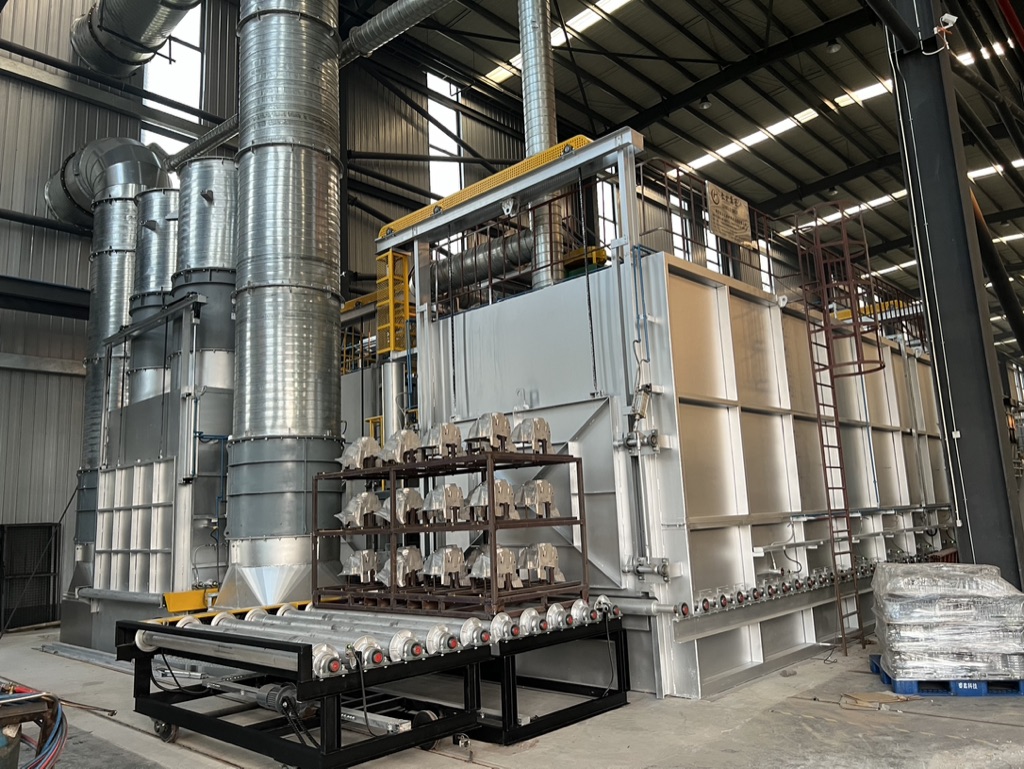 Southeast Asia 6063 Aluminum Billet Market Price System Accelerates Segmentation【SMM Analysis】
With the continued expansion of aluminum processing and downstream industries in Southeast Asia, regional aluminum billet production, consumption and trade markets have attracted growing attention. Malaysia, Thailand and Vietnam are not only important aluminum billet production and consumption hubs in Southeast Asia, but also play a key role in regional aluminum billet trade flows. Markets such as Indonesia, the Philippines and Cambodia, meanwhile, are still at a stage where local processing capacity development and demand for imported aluminum billet are growing simultaneously. Since March 2026, the escalation of geopolitical conflicts in the Middle East has caused significant disruption to the global aluminum supply chain. On the one hand, uncertainty over the supply of primary aluminum and aluminum processed products from the Middle East has increased, pushing up procurement interest in primary aluminum, aluminum billet and secondary aluminum resources across Asian markets outside China. On the other hand, fluctuations in crude oil prices and ocean freight costs have further lifted regional aluminum processing and trading costs. Against this backdrop, LME aluminum prices, Asian regional premiums and Southeast Asian local aluminum billet processing fees have all fluctuated to varying degrees. At the same time, changes in the SHFE/LME price ratio have periodically affected the export arbitrage window for Chinese aluminum processed products. When overseas aluminum prices are stronger than domestic prices and export margins improve, Chinese aluminum processed products and some processing-trade resources show greater willingness to flow into the Southeast Asian market, creating certain disruptions to local billet supply-demand dynamics and quotations. When the price spread narrows, however, regional pricing returns to a framework driven jointly by local supply, imports from the Middle East and other overseas resources. Trade Flows From the perspective of export destinations, the flow of Southeast Asian products under HS760120 is relatively concentrated. In 2025, the top ten export destinations for Southeast Asian HS760120 products totaled around 1.2695 million mt, accounting for approximately 93.3% of total Southeast Asian exports. China was the largest destination, with full-year exports of around 602,100 mt, accounting for approximately 44.3%. Japan, Vietnam and India followed, with around 149,300 mt, 143,500 mt and 111,700 mt respectively, accounting for approximately 11.0%, 10.5% and 8.2%. It should be noted that HS760120 includes primary aluminum alloy ingots, secondary aluminum alloy ingots, other aluminum alloy billets and some cast aluminum alloy products. Therefore, this data mainly serves as a reference for observing trade flows of unwrought aluminum alloys and aluminum alloy billets in Southeast Asia, and cannot be directly equated with 6063 aluminum billet export volumes. Entering 2026, affected by the escalation of the Middle East conflict, uncertainty in the global supply chain for primary aluminum and aluminum processed products increased, and trade flows of aluminum raw materials and aluminum billets in Asia saw certain adjustments. Data shows that total Southeast Asian HS760120 exports fell to around 88,800 mt in February 2026, before rebounding to around 110,700 mt in March and further increasing to around 116,600 mt in April. From February to April, cumulative growth reached approximately 31.2%. In terms of destination changes, China remained the largest export destination, although exports to China declined in April compared with March. India, South Korea, Taiwan, China and Japan showed more obvious increases from March to April. Among them, exports to India rose from around 8,200 mt in February to around 15,700 mt in April; exports to South Korea increased from around 2,400 mt in February to around 10,000 mt in April; exports to Taiwan, China climbed from around 1,500 mt in February to around 4,100 mt in April; while exports to Japan recovered to around 13,700 mt in April. Overall, the rebound in Southeast Asian HS760120 exports from February to April 2026 reflected, on the one hand, the gradual recovery of regional trade after the Chinese New Year holiday. On the other hand, it may also have been related to Asian buyers increasing procurement of Southeast Asian regional resources and supplementing alternative supply sources after the Middle East conflict raised supply risks for overseas primary aluminum, aluminum billet and secondary aluminum. Considering that China, India, Japan, South Korea and Taiwan, China are all important aluminum processing and consumption markets in Asia, the increase in Southeast Asian product flows to these markets indicates that regional unwrought aluminum alloys and aluminum alloy billets have played a certain supplementary and balancing role in trade during periods of supply chain disruption. For the 6063 aluminum billet market, this trend cannot be directly equated with changes in 6063 aluminum billet exports, but it can serve as an important reference for assessing the circulation activity of aluminum billets and aluminum alloy raw materials in Southeast Asia, regional substitution demand and fluctuations in processing fees. Market and Price Analysis With the continued expansion of aluminum processing and downstream enterprises in Southeast Asia, the situation of 6063 aluminum billet differs across countries due to variations in processing levels and downstream demand. Overall, Malaysia and Thailand are the main aluminum billet producing countries in the region and also have certain local consumption capacity. Vietnam’s aluminum processing capacity is growing rapidly, but some local quotations are still mainly for non-homogenized cast billets. Markets such as Cambodia and the Philippines remain at a stage where local processing capacity development coexists with demand for imported aluminum billet. In terms of homogenization status, mainstream 6063 aluminum billet quotations in Malaysia and Thailand usually already include homogenization treatment, and the relevant homogenization cost is mostly included in the aluminum billet processing fee quoted by producers. A small number of non-homogenized 6063 aluminum billet quotations also exist in the Thai market, which can be used to observe the basic processing cost of cast billets. The situation in Vietnam is different. As some enterprises mainly quote non-homogenized cast billets, the apparent processing fee for 6063 aluminum billet is usually around $50-100/mt lower than homogenized quotations in Malaysia and Thailand. Aluminum billet homogenization is an important heat-treatment process in the production of 6063 aluminum billet. It usually refers to placing cast aluminum billets into a homogenizing furnace for heating, holding and cooling treatment, so that the internal composition distribution of the billet becomes more uniform and microstructural segregation formed during casting is improved. For 6063 aluminum billet, homogenization helps improve stability in the subsequent extrusion process, reduce extrusion cracking, surface defects and performance fluctuations, and improve the surface quality and yield of extruded profiles. Therefore, in the aluminum extrusion value chain, homogenized aluminum billet generally has higher use value than non-homogenized cast billet. According to SMM market research, since March 2026, under the influence of factors such as the escalation of Middle East geopolitical conflicts, tighter supply of overseas primary aluminum and aluminum billet resources, and fluctuations in energy and ocean freight costs, 6063 aluminum billet processing fees in major Southeast Asian countries rose to varying degrees. Among them, processing fees for homogenized 6063 aluminum billet in Malaysia and Thailand once increased from the previous $200-250/mt to $250-300/mt, with some high-end quotations even exceeding $300/mt during the peak period. As the Middle East situation eased periodically in mid-June, 6063 aluminum billet processing fees in Malaysia and Thailand declined. At present, mainstream 6063 aluminum billet processing fees in Malaysia have stabilized around $250/mt, and mainstream processing fees for homogenized aluminum billet in Thailand have also stabilized around $250/mt. However, due to differences in raw material structure, product status and quotation basis among enterprises, processing fees still show a wide range. In Thailand, some 6063 aluminum billet processing fees have fallen to as low as around $100-150/mt. In Vietnam, from March to June, 6063 aluminum billet processing fees rose from the previous $150-200/mt to $200-250/mt, before falling back to around $200/mt in mid-June. In addition, from the perspective of the imported aluminum billet arrival market, from May to June, SMM learned that CIF Thailand and Malaysia 6063 aluminum billet premiums/discounts were mostly around a premium of $100/mt, while some low-priced resources even fell to a discount of around $100/mt. These resources were mainly 6063 aluminum billets processed in China under processing trade and then re-exported to the Southeast Asian market. Amid cost advantages and an increase in cargo inflows at certain stages, these resources exerted some impact on the local aluminum billet market in Southeast Asia. From March to April, affected by Middle East geopolitical conflicts, uncertainty over some Middle Eastern aluminum supply increased. Asian buyers in India, Japan, South Korea and Taiwan, China showed higher interest in Southeast Asian aluminum billets and related aluminum alloy resources, driving some Southeast Asian aluminum billet resources to flow out of the region and supporting stronger regional quotations. However, entering May and June, as Chinese aluminum billets flowed into markets such as Thailand and Malaysia through processing trade and re-export channels, competition pressure faced by local Southeast Asian aluminum billet plants increased. SMM research shows that sales pressure for some 6063 aluminum billet producers in Malaysia and Thailand has increased compared with earlier levels, and low-priced imported arrival resources have put certain downward pressure on local ex-works processing fees and the transaction price center. Outlook for Southeast Asian Aluminum Processing Looking ahead, the Southeast Asian 6063 aluminum billet market will continue to evolve around regional processing capacity expansion, import substitution, changes in raw material structure and overseas low-carbon requirements. In the short term, Malaysia, Thailand and Vietnam will remain the core markets for 6063 aluminum billet production and consumption in Southeast Asia. Malaysia and Thailand have relatively mature local billet casting and homogenization capacity, and their pricing systems are closer to a quotation logic based on “LME + regional premium + homogenized processing fee.” Vietnam, meanwhile, still has room for growth in aluminum billet demand as aluminum extrusion and downstream processing capacity improves, but the quotation basis for homogenized and non-homogenized products still needs to be further differentiated. Although local sample coverage in markets such as Indonesia, the Philippines and Cambodia remains limited at present, with the advancement of local aluminum processing projects, future demand for imported aluminum billet, secondary aluminum billet and intra-regional trade flows will remain worth monitoring. In the medium to long term, CBAM and overseas customers’ low-carbon procurement requirements may further drive segmentation in the price system of the Southeast Asian aluminum value chain. For the Southeast Asian aluminum billet market, the impact of CBAM may not necessarily be directly reflected through large-scale exports of aluminum billet itself to Europe, but may instead be transmitted through the export value chain of aluminum profiles, window and door profiles, industrial profiles and other deep-processed products. In the future, when European customers procure aluminum processed products from Southeast Asia, they may pay greater attention to raw material sources, the ratio of primary aluminum, in-house new scrap and aluminum scrap, carbon emission data during production, supply chain traceability and third-party verification capability. Against this backdrop, enterprises with stable homogenization capacity, clear raw material structures, the ability to provide emissions data and low-carbon material options may gain stronger advantages in securing export orders and price negotiations. From the perspective of the price system, CBAM may not immediately drive a one-sided increase in Southeast Asian 6063 aluminum billet processing fees, but it will raise market requirements for differentiating “product status” and “raw material attributes.” In the future, price spreads between liquid aluminum direct-cast billets, remelted aluminum ingot billets and remelted aluminum scrap billets, price spreads between homogenized and non-homogenized aluminum billets, and differences between CIF imported aluminum billet premiums and local ex-works processing fees are all expected to become key areas of market attention. As the aluminum processing industry in Southeast Asia continues to expand, the 6063 aluminum billet market may gradually develop from relatively broad trade quotations in the past toward a more segmented price system differentiated by country, alloy grade, homogenization status, raw material attribute and trade term. SMM Price Points Against the backdrop of regional processing expansion and low-carbon trends, Southeast Asian 6063 aluminum billet processing fees have gradually become one of the key price indicators followed by the market. To help enterprises better track price changes in the Southeast Asian 6063 aluminum billet market, SMM, after market research and improvement of its pricing methodology, will add a series of Southeast Asian 6063 aluminum billet processing fee, calculated reference price and CIF premium/discount price points starting from 3rd July 2026 (Friday) onward for market reference. The Southeast Asian 6063 Aluminum Billet Premium price points will be updated on a weekly basis every Friday at 12:00 noon Kuala Lumpur time, Malaysia, which is the same as Beijing time, GMT+8. Due to differences in settlement methods among enterprises, the full aluminum billet price may vary. For reference, it can be estimated using the following formula: 【LME Official Cash Settlement Price + Quarterly MJP + 6063 Aluminum Billet Processing Fee】. Details of the relevant price points are as follows: Cambodia 6063 Aluminum Billet (Homogenized) Premium, ex-works Cambodia, USD/tonne Malaysia 6063 Aluminum Billet (Homogenized) Premium, ex-works Malaysia, USD/tonne Thailand 6063 Aluminum Billet (Homogenized) Premium, ex-works Thailand, USD/tonne Thailand 6063 Aluminum Billet (Non-homogenized) Premium, ex-works Thailand, USD/tonne Vietnam 6063 Aluminum Billet (Non-homogenized) Premium, ex-works Vietnam, USD/tonne The SMM Southeast Asian 6063 Aluminum Billet price points will be updated on a daily basis every working day at 12:00 noon Kuala Lumpur time, Malaysia, which is the same as Beijing time, GMT+8. The SMM calculated reference price will be derived using the formula: 【LME Official Cash Settlement Price (D-1) + Quarterly MJP + Latest 6063 Aluminum Billet Processing Fee】. Based on this, SMM will publish low-end, high-end and average calculated reference prices. Details of the relevant price points are as follows: SMM Cambodia 6063 Aluminum Billet (Homogenized), ex-works Cambodia, USD/tonne SMM Malaysia 6063 Aluminum Billet (Homogenized), ex-works Malaysia, USD/tonne SMM Thailand 6063 Aluminum Billet (Homogenized), ex-works Thailand, USD/tonne SMM Thailand 6063 Aluminum Billet (Non-homogenized), ex-works Thailand, USD/tonne SMM Vietnam 6063 Aluminum Billet (Non-homogenized), ex-works Vietnam, USD/tonne At the same time, to provide a reference comparison for the Southeast Asian 6063 aluminum billet processing and trading market, SMM will also launch CIF Southeast Asia 6063 Aluminum Billet Premium price points for market reference. The CIF Southeast Asia 6063 aluminum billet premium/discount price points will be updated on a weekly basis every Friday at 12:00 noon Kuala Lumpur time, Malaysia, which is the same as Beijing time, GMT+8. Due to differences in settlement methods among enterprises, the full imported aluminum billet price may vary. For reference, it can be settled using the following formula: 【LME Official Cash Settlement Price + Quarterly MJP + 6063 Aluminum Billet Premium/Discount】. Details of the relevant price points are as follows: CIF Thailand 6063 Aluminum Billet (Non-homogenized) Premium Summary Overall, the Southeast Asian 6063 aluminum billet market is currently at a stage where regional processing capacity expansion, trade flow adjustments and price system segmentation are taking place simultaneously. In the short term, Middle East geopolitical conflicts, changes in overseas primary aluminum and aluminum billet supply, and fluctuations in energy and ocean freight costs will continue to affect Southeast Asian aluminum billet processing fees and import premiums/discounts. At the same time, changes in the SHFE/LME price ratio will also continue to periodically affect the willingness of Chinese aluminum processed products and related aluminum billet resources to flow into the Southeast Asian market. From the perspective of market structure, Malaysia, Thailand and Vietnam remain the core markets for 6063 aluminum billet production, consumption and trade circulation in Southeast Asia. Among them, Malaysia and Thailand have relatively mature pricing systems for homogenized aluminum billet, while Vietnam still requires separate differentiation in price basis due to the relatively high share of non-homogenized cast billet quotations. Going forward, as local processing capacity develops in markets such as Indonesia, the Philippines and Cambodia, changes in regional imported aluminum billet, secondary aluminum billet and local processing fees will also become areas worth continuous tracking. In the medium to long term, CBAM and overseas low-carbon procurement requirements will further increase the importance attached by the Southeast Asian aluminum processing value chain to raw material structure, homogenization capability, carbon emission data and supply chain traceability. Although CBAM may not necessarily drive an immediate one-sided increase in 6063 aluminum billet processing fees, it will prompt the market to more clearly distinguish between different product bases, including liquid aluminum direct-cast billets, remelted aluminum ingot billets, remelted aluminum scrap billets, as well as homogenized and non-homogenized products. Against this backdrop, the launch of SMM Southeast Asia 6063 aluminum billet processing fee, calculated reference price and CIF premium/discount price points will help the market more clearly track changes in regional aluminum billet costs, import substitution space, trade flow adjustments and price differentiation trends under the low-carbon transition.
Jun 26, 2026 14:36- Amid macro bearish sentiment, lead prices will be in the doldrums [SMM Lead Morning Briefing]
[SMM Lead Morning Brief: Lead Prices Will Be in the Doldrums Amid Bearish Macro Sentiment] Recently, multiple macro events have dominated the trading direction of base metals. Expectations for US Fed interest rate hikes strengthened, and the US dollar index hit a new high; progress in Middle East peace talks and a plunge in crude oil prices, to some extent, signal that metals......
Jun 25, 2026 09:00 - Expectations of Recovery in Shipping and Energy Supply, LME Lead Falls to Over Two-Month Low [SMM Lead Morning Brief]
[SMM Lead Morning Brief: Shipping and Energy Supply Recovery Expectations, LME Lead Drops to Over Two-Month Low] SMM June 24: Overnight, LME lead opened at $1,963/mt. Amid Middle East shipping resumption expectations, crude oil prices weakened, while the US dollar index strengthened on rate hike expectations, sending base metals broadly into negative territory...
Jun 24, 2026 09:00