

91results found for 'SMM price'
Sort by : |
- Aluminum Scrap Imports Decline for Third Straight Month in June 2026, Aluminum Alloy Import and Export Pattern Continues to Reshape [SMM Cast Aluminum Alloy Morning Comment]
[SMM Cast Aluminum Alloy Morning Comment: Aluminum Scrap Imports Post Third Straight Monthly Decline in June 2026, Continually Reshaping Aluminum Alloy Trade Patterns] Currently, the secondary aluminum alloy market remains in the off-season, with downstream order releases limited. End-user procurement stays need-based, overall trading activity is relatively subdued, and the demand side provides insufficient support for price increases. Meanwhile, aluminum prices remain...
Jul 21, 2026 09:10 - Huahong Technology: H1 net profit expected to rise YoY by 301.84%-352.08% as major rare earth product prices rise
Huahong Technology’s semi-annual results forecast disclosed on the evening of July 13 shows that attributable net profit in H1 2026 is expected to be 320 million yuan to 360 million yuan, up 301.84%–352.08% YoY. As for the reasons for the performance change, Huahong Technology said: In H1 2026, driven by industry policies and improved downstream demand, prices of major rare earth products in China climbed steadily. The company’s rare earth comprehensive utilization segment seized market opportunities, fully leveraged its comprehensive advantages in capacity scale, cost control and process technology, and continuously optimized its supply, production and sales coordination and inventory management strategies, effectively driving the full release of the segment’s profitability. The company continued to deepen its rare earth industry chain layout, steadily expanding its downstream rare earth permanent magnet materials business. Driven by steady demand from end-use sectors such as NEVs, wind power and industrial automation, the segment’s business scale kept expanding, its revenue and product mix continued to improve and it became an important supplement to performance growth. A review of SMM’s Pr-Nd oxide price trend in H1 shows that the Pr-Nd oxide price stood at 609,000 yuan/mt at the start of the year, hit its H1 high of 890,000 yuan/mt by late February, a cumulative gain of up to 46.7% from the start of the year. The key driver was the supply side: spot Pr-Nd oxide supply remained tight, futures surged sharply, suppliers held back from selling amid strong bullish sentiment, and pre-holiday stockpiling purchases by metal companies pushed prices up rapidly. At the same time, supply disruptions from Myanmar ore, domestic separation plants’ production resumptions falling short of expectations and market sentiment created a combined effect of “undersupply + bullish hold-back.” From March to April, however, bearish supply-side news combined with weak demand from traditional end-use sectors pulled Pr-Nd oxide prices back quickly to around 700,000 yuan/mt. Yet the rise in China Northern Rare Earth’s concentrate prices in April, supply support from production suspensions at separation plants and export orders released under the export control extension window together drove prices to rebound slightly. From May, downstream sectors gradually entered the off-season and purchases became more cautious. From late June, the formal implementation of the Mineral Resources Law Implementation Regulations, which list rare earths as strategic minerals, and production cuts by scrap recycling enterprises due to tax invoice issues boosted Pr-Nd oxide prices again, which rebounded to 742,500 yuan/mt on June 30. Huahong Technology announced on June 30 that its controlling shareholder Jiangsu Huahong Industrial Group Co., Ltd., which holds a 32.01% stake, plans to reduce its holdings by no more than 15.0102 million shares (1.99% of total equity) through centralized bidding and block trading within three months after 15 trading days; Director and senior executive Zhu Dayong, who holds a 0.19% stake, plans to reduce his holdings by no more than 365,000 shares (0.05% of total equity) through centralized bidding or block trading within three months after 15 trading days; Director and senior executive Liu Weihua, who holds a 1.52% stake, plans to reduce his holdings by no more than 2.8 million shares (0.37% of total equity) through centralized bidding or block trading within three months after 15 trading days. Huahong Technology previously released its 2025 annual performance report, showing that in 2025, the company achieved operating revenue of RMB7.835 billion, up 40.51% YoY, reaching a three-year high. After posting losses for two consecutive years, the company successfully returned to profitability, with net profit attributable to shareholders of the parent company reaching RMB204 million, up 157.46% YoY. 1. The rare earth segment seized the industry opportunity, acting as the "ballast stone" and "engine" for the turnaround. In 2025, the global rare earth market experienced a major shift in the supply-demand pattern. Driven by surging downstream demand from sectors such as new energy and robotics, combined with rigid supply-side constraints, rare earth product prices continued to rise, with the cumulative annual price increase for core products like Pr-Nd oxide exceeding 35%. The company's Rare Earth Resource Comprehensive Utilization Division keenly captured this industry opportunity, made accurate assessments, and acted accordingly: the company kept pace with the market, optimized procurement and sales strategies, and maximized product value during the price upcycle. Technological transformation yielded results and capacity was released: the previously completed technological transformation and capacity expansion projects at Xintai Technology and Jiangxi Wanhong reached full production, with annual capacity for rare earth oxides stabilizing at 12,000 mt, significantly releasing economies of scale. The company tapped internal potential to reduce costs and enhance efficiency: by optimizing process flows, production costs were strictly controlled and recovery rates were improved. During the reporting period, the company's rare earth resource comprehensive utilization business recorded strong production and sales performance with rising volumes and prices, contributing core profits to the company. 2. All business segments collaborated to build a diversified support structure. While the rare earth resource comprehensive utilization segment led the way, other segments also achieved strong operating results, creating a favorable situation of "blossoming in multiple areas and developing in synergy": Rare Earth Magnetic Materials Segment achieved "dual improvement in volume and quality," with production capacity steadily released across various production sites, providing strong support for market expansion and order fulfillment. High-performance magnetic material products were successfully introduced into the supply chain systems of multiple first-tier NEV automakers, with order scale continuing to expand and client quality and business mix continuously optimized. Construction of the key Baotou production site is progressing in an orderly manner and is planned to enter trial production in Q2 2026, laying a critical foundation for doubling magnetic material capacity. Elevator Parts Segment: The traditional business seized the policy dividends from the "program of large-scale equipment upgrades and consumer goods trade-ins," rapidly responding to domestic demand for elevator installation and retrofitting. Through refined production scheduling and efficiency gains, total annual production grew by over 20% YoY. The segment steadily expanded its second growth curve, with customer acquisition and product development activities for emerging businesses such as automotive electronics and energy storage progressing on schedule. At the same time, the division's "going global" process accelerated, closely following market trends and customer needs. Renewable Resource Equipment Segment: In the face of profound industry changes and intense market competition, the business division continued to increase investment in new product R&D and accelerated its deployment in markets outside China, striving to secure survival and development amid fierce competition. Internally, it focused tightly on cost reduction across supply, production, and sales to enhance operational quality. In the renewable resource operations segment, the end-of-life vehicle dismantling and steel scrap processing businesses constantly explored more diverse and flexible business models, and introduced specialized teams to improve operational quality and efficiency. In 2025, the company's total volume of end-of-life vehicle recycling and dismantling reached a record high. The business models continued to mature, internal management was consistently optimized, and industry synergies were accelerated, laying a foundation for future business development. In 2025, the company also achieved notable results in cross-segment industry synergies. The industrial linkages between the Magnetic Materials Business Division and the Rare Earth Business Division, the industry sharing between the Elevator Business Division and the Magnetic Materials Business Division, and the upstream-downstream resonance between the operations segment and the Rare Earth Business Division demonstrated the wisdom and commitment of the company's entire management team. Regarding the company's main business operations, HuaHong Technology's 2025 Annual Report disclosed: The company has consistently upheld its corporate mission of "Serving the Circular Economy, Creating a Green Life" and steadfastly adhered to its corporate spirit of "Striving, Fact-Based, Innovation, and Dedication," committing to becoming a renewable resource processing equipment manufacturer and a comprehensive resource recycling and utilization operator serving global markets. The company actively deployed renewable resource operation businesses, building a circular economy industry chain centered on end-of-life vehicle recycling and dismantling, extending downstream to the comprehensive utilization of steel scrap, rare earth recycling materials, and other metallic and non-metallic resources, while continuously exploring possibilities for expansion into related industries such as high-end manufacturing and smart manufacturing. During the reporting period, the company's main business was divided into four major segments: "Renewable Resource Equipment and Operations," "High-End Manufacturing of Elevator Parts," "Comprehensive Utilization of Rare Earth Resources," and "Rare Earth Magnetic Materials." HuaHong Technology's corporate development strategy and business plan announced in its 2025 Annual Report indicate: The company's overall development approach is as follows: strengthen product upgrades and technological innovation in renewable resource processing equipment to further consolidate its leading position in the renewable resource processing equipment industry; actively deploy renewable resource operation businesses, vigorously develop the end-of-life vehicle recycling and dismantling business, and use this as a main line to expand the comprehensive recycling and utilization of downstream steel scrap, rare earth scrap, and other metallic and non-metallic resources, building the company into a well-known enterprise in the circular economy sector. It will continue to advance the company's dual-wheel drive strategy, increase R&D, production, and sales of precision elevator parts, thereby building Weilman into a global industry leader in elevator signal systems and safety components; through fund operations, equity investments, mergers and acquisitions, and other capital operation models, accelerate the enhancement of the company's capital operation capabilities, achieve resource optimization and integration, continuously monitor extension opportunities in the upstream and downstream industry chain, and actively explore possibilities for the company's expansion into environmental protection, smart manufacturing, and IoT-related industries, forming new driving forces for company development and further enhancing its core competitiveness and profitability. According to the latest SMM price report: On July 17, the average price of Pr-Nd oxide was 766,000 yuan/mt, down 0.33% from the previous trading day. On July 17, Pr-Nd oxide futures prices declined, while inquiries in the spot market were sluggish. As a result, offers from Pr-Nd oxide suppliers edged lower. Nevertheless, most market participants remain confident about the outlook and showed a strong willingness to hold prices firm, which limited the actual decline in oxide prices, and low-cost supply remained scarce and hard to find. In the metals market, prices also fell. Magnetic material enterprises saw poor new orders, limiting their ability to accept high metal prices; purchases mainly served rigid restocking demand, leading to sluggish inquiries in the metal market. Upstream and downstream sectors remained locked in a stalemate, with the metals segment continuing to face pressure. In the short term, due to the stagnant trading, Pr-Nd product prices are expected to move sideways in a narrow range. Recommended Reading:
Jul 17, 2026 19:22 - [SMM Mid-Year Market Analysis] 2026 H1 LFP Cathode Material Market Review
[SMM Analysis] In H1 2026, the core conflict in the LFP cathode material market was not just a simple shift in the supply-demand relationship, but rather a profound tussle involving the top-down transmission of cost pressure and the reshaping of the benefit distribution pattern across the industry chain.
Jul 13, 2026 17:19 - [SMM Conference] AASC 2026: Navigating ASEAN EV Transformation at a Strategic Crossroads
On June 17, 2026, the 2026 SMM (3rd) ASEAN Automotive Supply Chain Conference , organized by Shanghai Metals Market (SMM), successfully wrapped up at the Hyatt Regency Bangkok Suvarnabhumi Airport in Bangkok, Thailand! This conference serves as an annual gathering of Southeast Asia's auto industry, bringing together 400+ delegates, 40+ speakers, 15+ partners and 15+ exhibitors from 15+ countries. Conference Background The Southeast Asian EV industry is at a strategic crossroads. Thailand's "30/30" policy is driving adoption, with EV penetration projected to near 15% by 2025. Indonesia is building a full battery chain using its nickel resources, while Vietnam's market potential grows. Amidst supply chain restructuring and technological competition, strategic action is key. The 3rd SMM Asean Automotive Supply Chain Summit 2026 is designed to empower businesses by focusing on: Unlocking NEV Potential: Analyzing ASEAN's role as a production/export hub and examining OEM technology roadmaps. Bridging the Supply Chain: Leveraging SMM's platform to integrate resources and facilitate deals. Establishing a Price Benchmark: Promoting the use of SMM Southeast Asia metals price assessments in procurement. We believe in turning consensus into action. Join us in Bangkok in 2026 to transform strategic blueprints into tangible advantages. 》Click to Watch the Conference Live Video 》Click to View the Conference Photo Live Stream June 16 Main Forum Opening Address Speaker: Adam Fan, Chairman of SMM Opening Keynote: Thailand EV Outlook 2026 Guest Speaker: Dr. Yossapong Laoonual, Head of Mobility & Vehicle Technology Research Center (MOVE), King Mongkut’s University of Technology Thonburi (KMUTT) Dr. Yossapong Laoonual noted that the ownership of battery electric vehicle (BEV) models is expected to surpass that of hybrid models in the medium and long term. Thailand’s BEV penetration rate will also rise steadily, supported by well-developed charging infrastructure. Data shows that the number of DC charging piles in Thailand has continued to grow, with installations already exceeding the government’s planned phased targets. The country’s 2030 charging pile target is 12,000 units, and multiple supporting regulations for motor vehicles have already been implemented locally. Local planning stipulates that each pile should serve 10-15 BEVs. Compared with markets outside China, where each pile in Europe serves fewer than 15 BEVs on average and in China fewer than 10, Thailand currently faces an imbalanced vehicle-to-pile ratio and still requires the large-scale addition of new charging piles. Thailand’s charging piles are primarily located at gas stations, with shopping malls and office buildings as secondary deployment sites. Local gas stations feature diverse commercial formats, offering excellent conditions for setting up charging stations. However, range anxiety remains widespread among consumers, and charging facilities along highways need to be further improved to alleviate concerns about recharging on the road. Opening Keynote: Southeast Asia’s New Automotive Ambition:Can Industry Players Successfully Navigate Transformation Amid Challenges? Guest Speaker: Krzysztof Tokarz, Chairman of the Automotive Working Group at TEBA, Founder of Auteneo He stated that there were four core strategic challenges in the electrification transformation of Southeast Asian automakers: First, a shortage of professional talent, with undersupply of high-quality talent in the EV and software fields, fierce competition for industry talent, and enterprises needing to plan for talent cultivation and retention; Second, cross-cultural coordination difficulties: significant differences in working models among Chinese, Japanese, Korean, European, American, and local enterprises, which easily led to issues such as lack of trust and poor cooperation; Third, complex and changing regional regulations: fragmented regulatory systems across Southeast Asian countries, with a fast pace of policy updates over the past year or more, placing high demands on enterprises' policy adaptation capabilities; Fourth, profitability pressure, as electrification reshaped the pricing system, with many automakers experiencing simultaneous contraction in revenue and profit margins, necessitating the exploration of long-term profitable models. Overall, he believed that while he currently maintained a cautiously optimistic attitude towards the development of industry technology and products, the aforementioned challenges still urgently needed to be addressed. Panel Discussion: Leadership Dialogue: East Asian Titans' "Southeast Asian Chessboard" Moderator: David Huang, The Head of Strategy, Marketing and Business Development, Forvia China Panelists: Dr. Yossapong Laoonual, Honorary Chairman and Advisors, Electric Vehicle Association of Thailand (EVAT) Suphot Sukphisarn, Honorary Chairman, Auto Parts Industry Club (APIC), The Federation of Thai Industries (FTI), Deputy Secretary General, Thai Auto-Parts Manufacturers Association (TAPMA) Krzysztof Tokarz, Chairman of the Automotive Working Group at TEBA, Founder of Auteneo Dr. Viroj Patcharawatanakul, Chief Marketing Officer (CMO), AAPICO Hitech PCL. The panelists noted that ASEAN countries have distinct industrial advantages: Malaysia has ample electronic factory resources, Indonesia possesses mineral resources needed for battery production, and Vietnam offers comprehensive labor incentive policies. To fully leverage each country's locational appeal, overall integrated planning is required. The ASEAN NEV market is expanding rapidly overall, with the regional EV penetration rate more than doubling. Thailand and Vietnam have seen impressive growth in XEV production and sales. Local vehicle production capacity remains stable, and Chinese new energy brands such as BYD, MG, and Great Wall have established a presence in Thailand, driving up demand for new energy parts supply. Thailand has a well-established multi-tier parts supply system: 27 vehicle manufacturers, 500 Tier 1 suppliers, and 1,800 Tier 2 and Tier 3 parts producers. Traditional mechanical processing industries like stamping, injection molding, rubber processing, machining, casting and forging, and assembly have a solid foundation, with huge annual parts capacity, providing the manufacturing capability to support new energy parts production. Keynote Speech: Navigating Automotive Disruption in Southeast Asia Guest Speaker: Timothy Wong, Principal, Roland Berger Roland Berger noted that AI-driven automation continues to advance and autonomous driving is developing steadily. It is expected that by 2040, autonomous driving will still struggle to become mainstream. However, AI technology has already disrupted the automotive industry, becoming a core driving force for enterprises to build differentiated advantages, enhance competitiveness, and innovate business models. The automotive industry is currently undergoing comprehensive disruptive changes, mainly in five dimensions: First, the automotive supply chain value chain is undergoing fundamental transformation, with vehicles and core parts upgrading toward electrification and electronics. Industry enterprises urgently need to adjust their product structures and proactively position themselves in emerging tracks; passively responding to market changes will entail significant risks. Second, the nature of automotive products is being reshaped by technology, shifting from traditional mechanical vehicles to software-defined vehicles. Sole mechanical manufacturing capabilities can no longer meet development needs; enterprises must build diversified cooperation ecosystems involving semiconductors, software, and sensors to cultivate new industrial capabilities. Third, the consumer market is undergoing significant iteration, with consumer car purchase preferences gradually tilting toward emerging brands, and industry competition continuing to intensify. Fourth, the pace of market iteration has greatly accelerated. Compared with the model update pace of once every few years by traditional automakers, Chinese brands iterate at a much faster pace, forcing the supply chain toward agile transformation and adaptation to rapidly changing vehicle specifications. Fifth, the aftersales distribution model is being disrupted, with traditional parts revenue being impacted by the growth of EVs. New direct-to-consumer models are emerging, requiring enterprises to restructure their distribution networks and expand aftersales services related to power batteries and electrification. Overall, all industry participants must proactively face transformation risks, actively transform and strategically restructure supply chains, vigorously explore new clients and deploy new businesses, abandon passive thinking that clings to existing models, and proactively plan future business development directions, so as to continuously maintain market competitiveness. Keynote Speech: Moving Beyond Negotiation: Fostering a New Framework for Southeast Asian Supply Chain Collaboration Based on the SMM Price Index Guest Speaker: Sing Yao, Director of Steel Business Unit, SMM Information & Technology Co., Ltd. She noted that Southeast Asia as a whole exhibits low per capita automobile ownership, limited NEV penetration, and a large young population, which holds enormous incremental market potential. This vast blue ocean is attracting leading Chinese NEV manufacturers to accelerate their footprint in the region. At the same time, however, Southeast Asian auto parts are highly dependent on imports, and the industry chain has long faced two major pain points: procurement difficulties and disorderly pricing. The launch of the SMM Southeast Asia Price Index may open up a new path for collaborative development of the local automotive supply chain. Low Per Capita Automobile Ownership, Limited NEV Penetration, and Large Young Population Create Vast Market Opportunities for Automakers According to SMM, in recent years, Southeast Asia’s automotive industry chain has shown remarkable resilience, with regional automobile production growing by 24.1% from 2020 to 2022. Although 2024 saw a cyclical decline for the first time due to global economic sluggishness, the decline in production and sales in Thailand and the broader Southeast Asian market has narrowed in 2025, underscoring the self-repair capability of the regional supply chain. As the region’s core hub, Thailand continues to dominate Southeast Asia’s automotive industry landscape with a capacity share of over 40%. In the short term, Thailand will maintain its position as a regional production center and export base, but its long-term competitive advantages are facing structural challenges: the sustained contraction of local capacity and the upgrading of neighboring countries’ industry chains are compelling it to accelerate technological transformation and supply chain restructuring. Driven by the immense allure of this industry “blue ocean,” leading Chinese NEV manufacturers are accelerating their expansion into the Southeast Asian automotive market. Keynote Speech:Baowu JFE Southeast Asia Strategy Sharing Guest Speaker: Liang Chen, Vice General Manager, Baowu Jiefuyi Special Steel Co., Ltd. He that overall steel production in Southeast Asia is declining, but the penetration rate of new energy electric vehicles (EVs) is surging: Thailand’s EV-related demand is up 80% YoY, while Indonesia’s demand has experienced a multiple-fold rise, with subsequent growth potential continuing to be released. Local NEV manufacturers previously purchased Japanese steel, but are gradually switching suppliers now, driven by industry competition and cost pressure. This also represents a core opportunity for the company to promote its supporting supply services. Leadership Panel: The Steel vs. Aluminum Debate and Cost Challenges Moderator: Michelle Leung, Head of Asia Metals and Mining, sustainability, Bloomberg LP Panelists: Thanakorn Thangwanichkapong, Director of Asia Operations, Maxion Wheels Martin Dilly, Southeast Asia Area Sales Director, Bureau Veritas The panelists noted that multiple disruptions, including the situation in the Strait of Hormuz and national tariff adjustments, have moved beyond short-term impact and are driving the restructuring of the entire steel and aluminum industry chain, with the structural transformation of the aluminum industry being particularly pronounced. Global supply chain vulnerability continues to intensify, and upward cost pressure on the industry has increased. Tariff barriers are reshaping the global trade landscape, and market competition is becoming increasingly fierce. The implementation of industrial localization has accelerated, but the pace of progress in Southeast Asia has seen a slowdown. Overall, only enterprises that possess both flexible logistics and procurement capabilities and a robust compliance management system can gain an advantage amid the industry transformation. Keynote Speech: Analysis of Southeast Asia's Secondary Aluminum Market and Price Trends Guest Speaker: Wong Yan Ling, Senior Aluminum Analyst, SMM Information & Technology Co., Ltd. She noted that Southeast Asia has become one of the fastest-growing secondary aluminum markets globally, and the worldwide competition for scrap resources is continuously reshaping the regional supply landscape. As resource protection policies are progressively implemented across various countries and regional manufacturing demand steadily expands, ASEAN countries are expected to further consolidate their core position in the global secondary aluminum industry chain. Regarding secondary aluminum price trends in H2 2026, SMM analysis suggests that weak seasonal demand in Southeast Asia may suppress the upside room for secondary aluminum prices, while the geopolitical situation in the Middle East remains a key variable affecting market trends. If shipping through the Strait of Hormuz returns to normal, cost pressures from logistics could ease. However, persistently tight scrap supply coupled with potential logistics disruptions may still drive up regional secondary aluminum prices. Specialized Seminar: Co-building a Resilient Automotive Materials Supply Chain for Southeast Asia Moderator: Sing Yao, Director of Steel Business Unit, SMM Information & Technology Co., Ltd. Panelists: Zongyan Fu, Purchasing Manager, Changan Auto Southeast Asia Co., Ltd. Weijiang Xue, Chief Engineer of Product R&D, Jiangsu Yonggang Group Co.,Ltd. Hui Yuan, General Manager, Tianjin Dewy Metal Surface Treatment Co., Ltd. Yi Huang, Deputy General Manager, Guangdong Superband Precision Industry Co.,Ltd. Thanakorn Thangwanichkapong, Director of Asia Operations, Maxion Wheels Hongwei Liu, General Manager, BYH NEW TECHNOLOGY CO., LTD. Saurabh Sharma, Sr General Manager & Executive Director, Hero Motors Thai Ltd. Jun Zou, Overseas Region Head, Marketing, Management Office, Baowu Jiefuyi Special Steel Co., Ltd. HaiBin Jia, Deputy Marketing Director, Beijing Jianlong Heavy Industry Group Co., Ltd. The panelists engaged in in-depth exchanges, drawing from their own business practices, focusing on the core topic of deep development in the Southeast Asian automotive industry. They focused on enterprises' current business layouts, operating status, and development trends in the Southeast Asian automotive market, and deeply analyzed core pain points and challenges such as supply chain adaptation, stable supply, and logistics support in the process of going global. At the same time, they shared detailed experiences regarding common challenges faced by enterprises going global, including localization certification, compliance system adaptation in and outside China, and alignment of policy standards. They also discussed core paths for enterprises to anticipate market changes, precisely allocate industrial resources, and quickly adapt to regional market rules and industry demands, focusing on industry trends. Furthermore, focusing on supply-demand coordinated development, they elaborated on their expectations for future cooperation models, collaboration mechanisms, and partnership needs with Chinese material suppliers. As buyers, they also clarified the types and directions of high-quality Southeast Asian clients they plan to prioritize for connection and cooperation, providing practical ideas and references for precise supply-demand matching and deep cultivation of the Southeast Asian automotive market for Chinese enterprises going global. Day 2: June 17 Keynote Speech: Analysis and Outlook of the Supply Chain in the Southeast Asian New Energy Market Speaker: Jena Wang, New Energy Consulting Project Manager, SMM Information & Technology Co., Ltd. She stated that driven by the rapid growth of the Southeast Asian NEV market, several automakers are accelerating their localization strategies. Battery demand in each country will also increase rapidly, with the region's total battery demand expected to grow by about ten times from 2025 to 2030, reaching approximately 201 GWh. However, it is worth noting that currently, Southeast Asia faces issues with low localization rates, significant structural gaps, and heavy import dependence for cathode materials and motor components. In Southeast Asia, the supply of local cathode materials and key motor components cannot meet demand, and the low localization rate and large capacity gaps have become key bottlenecks restricting the development of the NEV industry chain in the region. Data indicates that China's global production share of key new energy raw materials—such as batteries, cathode materials, lithium chemicals, and rare earth permanent magnets—generally exceeds 70%, with its capacity ranking first worldwide, demonstrating a significant advantage. In addition, she introduced the capacity distribution and industrialisation progress of key materials in the new energy markets of core Southeast Asian countries. Vietnam: Local automaker VinFast is boosting rapid development of the entire vehicle and upstream/downstream supporting industry chain. Thailand: As a core hub for automotive manufacturing and export in Southeast Asia, it boasts a relatively complete supporting system for motor and electric drive-related industries. Malaysia: It possesses a mature automotive industry foundation, but its local supporting capability for the three electric systems is insufficient; local policies focus on supporting vehicle assembly and regional distribution operations. Indonesia: With abundant nickel resources, it holds a pronounced competitive edge in the battery raw material industry. Overall, SMM believes that the capacity for core new energy components in Southeast Asia is relatively small. National policies are promoting localisation and industrial upgrading, leaving significant room for supply chain development. Leadership Panel: Supply Chain Security and Opportunities in Southeast Asia Moderator: Peter Klöpfer, Senior Manager Automotive Business Unit, RUTRONIK Electronics Worldwide Panelists: Akshay Prasad, Principal, Arthur D. Little SEA Alex Zhan, Head, ZF LIFETEC Thailand Asst.Prof.Uthane Supatti Ph.D., Head of the Power Electronics Applications and Energy Management (PEEM) Research Unit, Faculty of Engineering at Sriracha, Kasetsart University, Thailand, Vice President, Electric Vehicle Association of Thailand (EVAT) The panelists discussed about core themes of the Southeast Asian automotive supply chain. First, they addressed the delivery timeline crisis caused by sudden supply shortages, the crisis of lacking transparency in the industry chain, the crisis of industry-wide collaboration barriers, and the crisis of trust failure between upstream and downstream players. They jointly explored systematic resolution strategies and elaborated on their respective countermeasures. Building on this, the on-site guests further discussed the Japanese industry chain and China’s domestic supply chain, analyzing the development opportunities, long-term prospects, and practical implementation logic of two-way opening, healthy competition and cooperation, and deep integration between the two. Leadership Panel: Capacity Coopetition and Customer Breakthrough: Winning the Southeast Asian Supply Chain Battle Moderator: Wacharapisuth Thannapong, Researcher, BCG (Bio-Circular-Green Economy Policy) Research Team, Thailand Development Research Institute (TDRI) Panelists: MARK BRIAN PIRIE, Senior Vice President Purchasing & Supplier Management Asia Pacific, Executive Board Member, Schaeffler Frank Yu, General Manager of the Automotive Rubber & Metal Components Business Unit and Thailand Branch, Shanghai Baolong Automotive Corporation The panelists assessed the overheating of three-electric system (battery, motor, electronic control) capacity in Southeast Asia. They noted that overcapacity in three-electric systems is a global trend. The capacity now deployed in Southeast Asia and Thailand already exceeds confirmed demand, intensifying market uncertainty and heightening investment concerns. Risks are structurally differentiated: Tier-1 suppliers are more conservative and risk-averse compared to China’s domestic vehicle makers that are rapidly going global. There is localized overcapacity in basic e-drive parts and low-difficulty electronic components, while supply bottlenecks persist for key items such as high-performance automotive-grade semiconductors, advanced materials, and electrical steel. This is also a core motivation for Chinese suppliers setting up in Southeast Asia. Moreover, Southeast Asia’s geographical advantages are prominent, and mine development in Australia is progressing rapidly. Many mines are set to commence production by Q3 next year. The core contradiction in the industry is not simply overall surplus, but a mismatch between the regional allocation of capacity, the technologies adopted, and actual market demand. Additionally, the guests noted that the core challenges in Southeast Asia and Thailand revolve around three major issues: regional adaptation, supply chain gaps, and industrial competition and collaboration. Enterprises must independently weigh risks and expansion scales based on their own supply chain conditions to find a development balance suited to their needs. Meanwhile, to adapt to the unique environment of Southeast Asia—characterized by high temperatures, high humidity, floods, complex road conditions, and underdeveloped charging infrastructure—the EV technologies originally designed for the Chinese and European markets must undergo localized R&D and verification. This process ensures the reliability of batteries, electronic controls, and lubrication systems, as well as overall vehicle durability. It is recommended that Tier 1 suppliers and upstream partners proactively collaborate in depth with OEM design teams. Even for domestically mature production car models going global in Southeast Asia, it is essential to iterate and optimize products by leveraging local expansion opportunities while drawing on the cost, process, and quality control expertise gained from large-scale domestic production. Leadership Panel: Techno-Economic Analysis and Strategic Pathways for Battery Material Localization in Southeast Asias Moderator: Jay Yu, Senior director, SMM Information & Technology Co., Ltd. Panelists: Brian, Sales Director for the Electrolyte Division in Japan, South Korea, and Southeast Asia, TINCI Materials Max Miao, Director, SEVB Thailand Feng Hao, Southeast Asia Marketing Director, Hefei Guoxuan High-Tech Power Energy Co., Ltd. The panelists noted that amid the restructuring of global manufacturing, Southeast Asia’s lithium battery industry faces both challenges and opportunities. Enterprises are following downstream OEM clients in going global, establishing nearby supply systems centered on customer needs. Three key operational aspects require consideration. First, at the policy level, Southeast Asia’s lithium battery industry must supply both the local market and target exports to Europe and the U.S. Regional policy changes have far-reaching impacts, requiring enterprises to conduct ongoing in-depth analysis and implement corresponding response strategies. Second, in terms of human and cultural factors, local traditions and family values are distinct, necessitating flexible management that fully respects local customs, cares for local employees, and stabilizes production teams. Third, regarding the industry chain, the region’s upstream lithium battery materials are notably underdeveloped. Key raw materials such as high-purity solvents, lithium chemicals, and functional additives currently rely heavily on imports from China, Japan, and South Korea. The establishment and improvement of local upstream and downstream supply capabilities urgently need to be addressed, making this a key focus for future enterprise deployment. In addition, they also mentioned that in H2 this year, NEV-related subsidies in Southeast Asia may be gradually phased out, and Thailand's EV 4.0 policy and the year-end tax rebate policy will also undergo adjustments. Drawing on China's NEV development experience, local automakers will gradually break free from reliance on policy subsidies and instead compete in the market by leveraging product strength and market-based pricing. This year, Thailand's NEV sales are conservatively estimated to reach 120,000 units, with a potential to hit 160,000 units. Compared with Japanese car models, Chinese NEV models have ample room for price adjustment, offering a clear advantage. Currently, battery enterprises are actively assisting automakers in expanding markets and securing more orders, while also suggesting that automakers moderately raise vehicle selling prices. The industry generally believes that automakers will most likely offset the operational pressure from subsidy reductions through price adjustments in the future. Procurement Matchmaking Meeting >Click to view more highlights from the event Check-in & Networking This is the end of the 2026 SMM (3rd) ASEAN Automotive Supply Chain Conference . Thank you for the support of all industry peers. See you next year!
Jul 10, 2026 16:13 - 2026 H1 Silicon Metal Market Review and Outlook: Cost Support, Demand Pressure, and Narrowing Price Fluctuation Range [SMM Analysis]
[2026 H1 Silicon Metal Market Review and Outlook: Price Fluctuation Range Narrowed Amid Cost Support and Demand Pressure] Price side: Looking back at H1 2026, affected by low capacity utilization rate of silicon metal, limited demand growth, and silicon metal already trading at relatively low levels, the spot silicon metal price fluctuation range was sharply narrowed under lower-end cost support and upper-end demand pressure. According to SMM price data, the fluctuation range of spot silicon metal prices in 2025 was 38%, while in H1 2026, it narrowed to within 5%. Futures price side, the fluctuation range of the most-traded silicon metal futures contract was 59% in 2025, narrowing to 14% in H1 2026.
Jul 9, 2026 11:54 - ADC12 Market Quotes Rise, SMM Price Up by 200 Yuan/mt Amid Rebounding Aluminum Prices
Today ADC12 market quotes continued to rise overall, with the SMM ADC12 price up by 200 yuan/mt from the previous day to 24,000 yuan/mt. As spot aluminum prices and aluminum alloy futures rebounded consecutively, cost support strengthened further. Enterprises' enthusiasm for raising prices in tandem increased noticeably, and market sentiment recovered somewhat from the earlier period. On the demand side, downstream orders had yet to show significant improvement, and the overall operation remained stable. Some enterprises reported that order intake since July had changed little, with the market still dominated by just-in-time procurement.
Jul 3, 2026 13:41 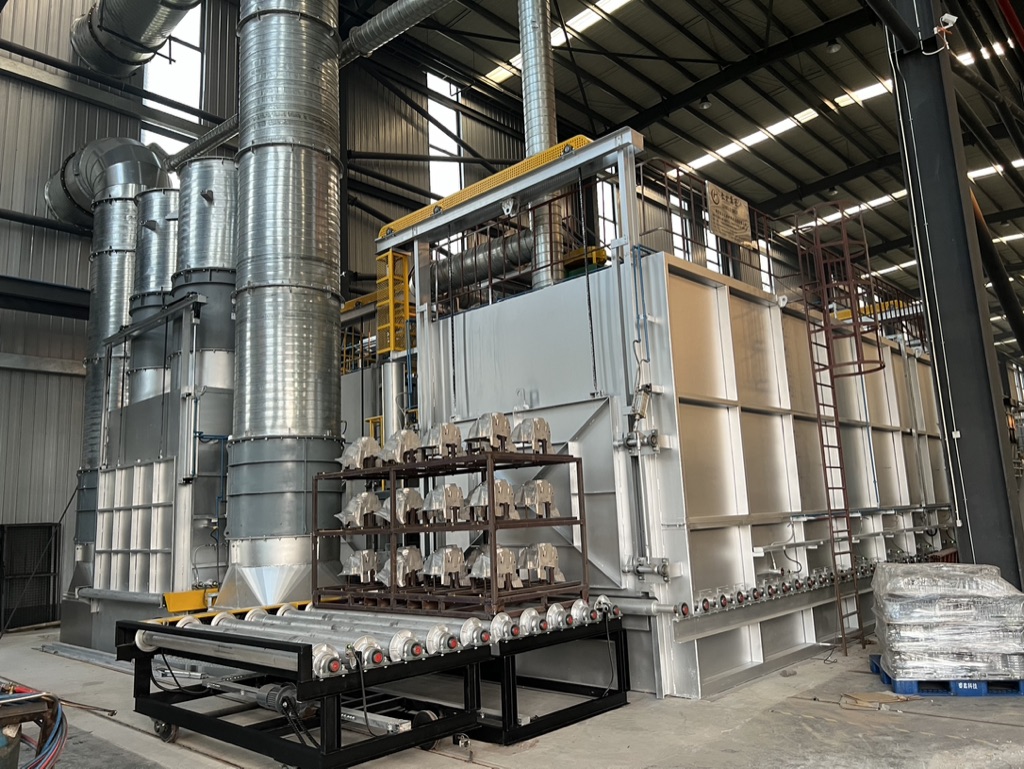 Southeast Asia 6063 Aluminum Billet Market Price System Accelerates Segmentation【SMM Analysis】
With the continued expansion of aluminum processing and downstream industries in Southeast Asia, regional aluminum billet production, consumption and trade markets have attracted growing attention. Malaysia, Thailand and Vietnam are not only important aluminum billet production and consumption hubs in Southeast Asia, but also play a key role in regional aluminum billet trade flows. Markets such as Indonesia, the Philippines and Cambodia, meanwhile, are still at a stage where local processing capacity development and demand for imported aluminum billet are growing simultaneously. Since March 2026, the escalation of geopolitical conflicts in the Middle East has caused significant disruption to the global aluminum supply chain. On the one hand, uncertainty over the supply of primary aluminum and aluminum processed products from the Middle East has increased, pushing up procurement interest in primary aluminum, aluminum billet and secondary aluminum resources across Asian markets outside China. On the other hand, fluctuations in crude oil prices and ocean freight costs have further lifted regional aluminum processing and trading costs. Against this backdrop, LME aluminum prices, Asian regional premiums and Southeast Asian local aluminum billet processing fees have all fluctuated to varying degrees. At the same time, changes in the SHFE/LME price ratio have periodically affected the export arbitrage window for Chinese aluminum processed products. When overseas aluminum prices are stronger than domestic prices and export margins improve, Chinese aluminum processed products and some processing-trade resources show greater willingness to flow into the Southeast Asian market, creating certain disruptions to local billet supply-demand dynamics and quotations. When the price spread narrows, however, regional pricing returns to a framework driven jointly by local supply, imports from the Middle East and other overseas resources. Trade Flows From the perspective of export destinations, the flow of Southeast Asian products under HS760120 is relatively concentrated. In 2025, the top ten export destinations for Southeast Asian HS760120 products totaled around 1.2695 million mt, accounting for approximately 93.3% of total Southeast Asian exports. China was the largest destination, with full-year exports of around 602,100 mt, accounting for approximately 44.3%. Japan, Vietnam and India followed, with around 149,300 mt, 143,500 mt and 111,700 mt respectively, accounting for approximately 11.0%, 10.5% and 8.2%. It should be noted that HS760120 includes primary aluminum alloy ingots, secondary aluminum alloy ingots, other aluminum alloy billets and some cast aluminum alloy products. Therefore, this data mainly serves as a reference for observing trade flows of unwrought aluminum alloys and aluminum alloy billets in Southeast Asia, and cannot be directly equated with 6063 aluminum billet export volumes. Entering 2026, affected by the escalation of the Middle East conflict, uncertainty in the global supply chain for primary aluminum and aluminum processed products increased, and trade flows of aluminum raw materials and aluminum billets in Asia saw certain adjustments. Data shows that total Southeast Asian HS760120 exports fell to around 88,800 mt in February 2026, before rebounding to around 110,700 mt in March and further increasing to around 116,600 mt in April. From February to April, cumulative growth reached approximately 31.2%. In terms of destination changes, China remained the largest export destination, although exports to China declined in April compared with March. India, South Korea, Taiwan, China and Japan showed more obvious increases from March to April. Among them, exports to India rose from around 8,200 mt in February to around 15,700 mt in April; exports to South Korea increased from around 2,400 mt in February to around 10,000 mt in April; exports to Taiwan, China climbed from around 1,500 mt in February to around 4,100 mt in April; while exports to Japan recovered to around 13,700 mt in April. Overall, the rebound in Southeast Asian HS760120 exports from February to April 2026 reflected, on the one hand, the gradual recovery of regional trade after the Chinese New Year holiday. On the other hand, it may also have been related to Asian buyers increasing procurement of Southeast Asian regional resources and supplementing alternative supply sources after the Middle East conflict raised supply risks for overseas primary aluminum, aluminum billet and secondary aluminum. Considering that China, India, Japan, South Korea and Taiwan, China are all important aluminum processing and consumption markets in Asia, the increase in Southeast Asian product flows to these markets indicates that regional unwrought aluminum alloys and aluminum alloy billets have played a certain supplementary and balancing role in trade during periods of supply chain disruption. For the 6063 aluminum billet market, this trend cannot be directly equated with changes in 6063 aluminum billet exports, but it can serve as an important reference for assessing the circulation activity of aluminum billets and aluminum alloy raw materials in Southeast Asia, regional substitution demand and fluctuations in processing fees. Market and Price Analysis With the continued expansion of aluminum processing and downstream enterprises in Southeast Asia, the situation of 6063 aluminum billet differs across countries due to variations in processing levels and downstream demand. Overall, Malaysia and Thailand are the main aluminum billet producing countries in the region and also have certain local consumption capacity. Vietnam’s aluminum processing capacity is growing rapidly, but some local quotations are still mainly for non-homogenized cast billets. Markets such as Cambodia and the Philippines remain at a stage where local processing capacity development coexists with demand for imported aluminum billet. In terms of homogenization status, mainstream 6063 aluminum billet quotations in Malaysia and Thailand usually already include homogenization treatment, and the relevant homogenization cost is mostly included in the aluminum billet processing fee quoted by producers. A small number of non-homogenized 6063 aluminum billet quotations also exist in the Thai market, which can be used to observe the basic processing cost of cast billets. The situation in Vietnam is different. As some enterprises mainly quote non-homogenized cast billets, the apparent processing fee for 6063 aluminum billet is usually around $50-100/mt lower than homogenized quotations in Malaysia and Thailand. Aluminum billet homogenization is an important heat-treatment process in the production of 6063 aluminum billet. It usually refers to placing cast aluminum billets into a homogenizing furnace for heating, holding and cooling treatment, so that the internal composition distribution of the billet becomes more uniform and microstructural segregation formed during casting is improved. For 6063 aluminum billet, homogenization helps improve stability in the subsequent extrusion process, reduce extrusion cracking, surface defects and performance fluctuations, and improve the surface quality and yield of extruded profiles. Therefore, in the aluminum extrusion value chain, homogenized aluminum billet generally has higher use value than non-homogenized cast billet. According to SMM market research, since March 2026, under the influence of factors such as the escalation of Middle East geopolitical conflicts, tighter supply of overseas primary aluminum and aluminum billet resources, and fluctuations in energy and ocean freight costs, 6063 aluminum billet processing fees in major Southeast Asian countries rose to varying degrees. Among them, processing fees for homogenized 6063 aluminum billet in Malaysia and Thailand once increased from the previous $200-250/mt to $250-300/mt, with some high-end quotations even exceeding $300/mt during the peak period. As the Middle East situation eased periodically in mid-June, 6063 aluminum billet processing fees in Malaysia and Thailand declined. At present, mainstream 6063 aluminum billet processing fees in Malaysia have stabilized around $250/mt, and mainstream processing fees for homogenized aluminum billet in Thailand have also stabilized around $250/mt. However, due to differences in raw material structure, product status and quotation basis among enterprises, processing fees still show a wide range. In Thailand, some 6063 aluminum billet processing fees have fallen to as low as around $100-150/mt. In Vietnam, from March to June, 6063 aluminum billet processing fees rose from the previous $150-200/mt to $200-250/mt, before falling back to around $200/mt in mid-June. In addition, from the perspective of the imported aluminum billet arrival market, from May to June, SMM learned that CIF Thailand and Malaysia 6063 aluminum billet premiums/discounts were mostly around a premium of $100/mt, while some low-priced resources even fell to a discount of around $100/mt. These resources were mainly 6063 aluminum billets processed in China under processing trade and then re-exported to the Southeast Asian market. Amid cost advantages and an increase in cargo inflows at certain stages, these resources exerted some impact on the local aluminum billet market in Southeast Asia. From March to April, affected by Middle East geopolitical conflicts, uncertainty over some Middle Eastern aluminum supply increased. Asian buyers in India, Japan, South Korea and Taiwan, China showed higher interest in Southeast Asian aluminum billets and related aluminum alloy resources, driving some Southeast Asian aluminum billet resources to flow out of the region and supporting stronger regional quotations. However, entering May and June, as Chinese aluminum billets flowed into markets such as Thailand and Malaysia through processing trade and re-export channels, competition pressure faced by local Southeast Asian aluminum billet plants increased. SMM research shows that sales pressure for some 6063 aluminum billet producers in Malaysia and Thailand has increased compared with earlier levels, and low-priced imported arrival resources have put certain downward pressure on local ex-works processing fees and the transaction price center. Outlook for Southeast Asian Aluminum Processing Looking ahead, the Southeast Asian 6063 aluminum billet market will continue to evolve around regional processing capacity expansion, import substitution, changes in raw material structure and overseas low-carbon requirements. In the short term, Malaysia, Thailand and Vietnam will remain the core markets for 6063 aluminum billet production and consumption in Southeast Asia. Malaysia and Thailand have relatively mature local billet casting and homogenization capacity, and their pricing systems are closer to a quotation logic based on “LME + regional premium + homogenized processing fee.” Vietnam, meanwhile, still has room for growth in aluminum billet demand as aluminum extrusion and downstream processing capacity improves, but the quotation basis for homogenized and non-homogenized products still needs to be further differentiated. Although local sample coverage in markets such as Indonesia, the Philippines and Cambodia remains limited at present, with the advancement of local aluminum processing projects, future demand for imported aluminum billet, secondary aluminum billet and intra-regional trade flows will remain worth monitoring. In the medium to long term, CBAM and overseas customers’ low-carbon procurement requirements may further drive segmentation in the price system of the Southeast Asian aluminum value chain. For the Southeast Asian aluminum billet market, the impact of CBAM may not necessarily be directly reflected through large-scale exports of aluminum billet itself to Europe, but may instead be transmitted through the export value chain of aluminum profiles, window and door profiles, industrial profiles and other deep-processed products. In the future, when European customers procure aluminum processed products from Southeast Asia, they may pay greater attention to raw material sources, the ratio of primary aluminum, in-house new scrap and aluminum scrap, carbon emission data during production, supply chain traceability and third-party verification capability. Against this backdrop, enterprises with stable homogenization capacity, clear raw material structures, the ability to provide emissions data and low-carbon material options may gain stronger advantages in securing export orders and price negotiations. From the perspective of the price system, CBAM may not immediately drive a one-sided increase in Southeast Asian 6063 aluminum billet processing fees, but it will raise market requirements for differentiating “product status” and “raw material attributes.” In the future, price spreads between liquid aluminum direct-cast billets, remelted aluminum ingot billets and remelted aluminum scrap billets, price spreads between homogenized and non-homogenized aluminum billets, and differences between CIF imported aluminum billet premiums and local ex-works processing fees are all expected to become key areas of market attention. As the aluminum processing industry in Southeast Asia continues to expand, the 6063 aluminum billet market may gradually develop from relatively broad trade quotations in the past toward a more segmented price system differentiated by country, alloy grade, homogenization status, raw material attribute and trade term. SMM Price Points Against the backdrop of regional processing expansion and low-carbon trends, Southeast Asian 6063 aluminum billet processing fees have gradually become one of the key price indicators followed by the market. To help enterprises better track price changes in the Southeast Asian 6063 aluminum billet market, SMM, after market research and improvement of its pricing methodology, will add a series of Southeast Asian 6063 aluminum billet processing fee, calculated reference price and CIF premium/discount price points starting from 3rd July 2026 (Friday) onward for market reference. The Southeast Asian 6063 Aluminum Billet Premium price points will be updated on a weekly basis every Friday at 12:00 noon Kuala Lumpur time, Malaysia, which is the same as Beijing time, GMT+8. Due to differences in settlement methods among enterprises, the full aluminum billet price may vary. For reference, it can be estimated using the following formula: 【LME Official Cash Settlement Price + Quarterly MJP + 6063 Aluminum Billet Processing Fee】. Details of the relevant price points are as follows: Cambodia 6063 Aluminum Billet (Homogenized) Premium, ex-works Cambodia, USD/tonne Malaysia 6063 Aluminum Billet (Homogenized) Premium, ex-works Malaysia, USD/tonne Thailand 6063 Aluminum Billet (Homogenized) Premium, ex-works Thailand, USD/tonne Thailand 6063 Aluminum Billet (Non-homogenized) Premium, ex-works Thailand, USD/tonne Vietnam 6063 Aluminum Billet (Non-homogenized) Premium, ex-works Vietnam, USD/tonne The SMM Southeast Asian 6063 Aluminum Billet price points will be updated on a daily basis every working day at 12:00 noon Kuala Lumpur time, Malaysia, which is the same as Beijing time, GMT+8. The SMM calculated reference price will be derived using the formula: 【LME Official Cash Settlement Price (D-1) + Quarterly MJP + Latest 6063 Aluminum Billet Processing Fee】. Based on this, SMM will publish low-end, high-end and average calculated reference prices. Details of the relevant price points are as follows: SMM Cambodia 6063 Aluminum Billet (Homogenized), ex-works Cambodia, USD/tonne SMM Malaysia 6063 Aluminum Billet (Homogenized), ex-works Malaysia, USD/tonne SMM Thailand 6063 Aluminum Billet (Homogenized), ex-works Thailand, USD/tonne SMM Thailand 6063 Aluminum Billet (Non-homogenized), ex-works Thailand, USD/tonne SMM Vietnam 6063 Aluminum Billet (Non-homogenized), ex-works Vietnam, USD/tonne At the same time, to provide a reference comparison for the Southeast Asian 6063 aluminum billet processing and trading market, SMM will also launch CIF Southeast Asia 6063 Aluminum Billet Premium price points for market reference. The CIF Southeast Asia 6063 aluminum billet premium/discount price points will be updated on a weekly basis every Friday at 12:00 noon Kuala Lumpur time, Malaysia, which is the same as Beijing time, GMT+8. Due to differences in settlement methods among enterprises, the full imported aluminum billet price may vary. For reference, it can be settled using the following formula: 【LME Official Cash Settlement Price + Quarterly MJP + 6063 Aluminum Billet Premium/Discount】. Details of the relevant price points are as follows: CIF Thailand 6063 Aluminum Billet (Non-homogenized) Premium Summary Overall, the Southeast Asian 6063 aluminum billet market is currently at a stage where regional processing capacity expansion, trade flow adjustments and price system segmentation are taking place simultaneously. In the short term, Middle East geopolitical conflicts, changes in overseas primary aluminum and aluminum billet supply, and fluctuations in energy and ocean freight costs will continue to affect Southeast Asian aluminum billet processing fees and import premiums/discounts. At the same time, changes in the SHFE/LME price ratio will also continue to periodically affect the willingness of Chinese aluminum processed products and related aluminum billet resources to flow into the Southeast Asian market. From the perspective of market structure, Malaysia, Thailand and Vietnam remain the core markets for 6063 aluminum billet production, consumption and trade circulation in Southeast Asia. Among them, Malaysia and Thailand have relatively mature pricing systems for homogenized aluminum billet, while Vietnam still requires separate differentiation in price basis due to the relatively high share of non-homogenized cast billet quotations. Going forward, as local processing capacity develops in markets such as Indonesia, the Philippines and Cambodia, changes in regional imported aluminum billet, secondary aluminum billet and local processing fees will also become areas worth continuous tracking. In the medium to long term, CBAM and overseas low-carbon procurement requirements will further increase the importance attached by the Southeast Asian aluminum processing value chain to raw material structure, homogenization capability, carbon emission data and supply chain traceability. Although CBAM may not necessarily drive an immediate one-sided increase in 6063 aluminum billet processing fees, it will prompt the market to more clearly distinguish between different product bases, including liquid aluminum direct-cast billets, remelted aluminum ingot billets, remelted aluminum scrap billets, as well as homogenized and non-homogenized products. Against this backdrop, the launch of SMM Southeast Asia 6063 aluminum billet processing fee, calculated reference price and CIF premium/discount price points will help the market more clearly track changes in regional aluminum billet costs, import substitution space, trade flow adjustments and price differentiation trends under the low-carbon transition.
Jun 26, 2026 14:36- Domestic ADC12 Market Stable, SMM Price Unchanged at 23,850 Yuan/mt Amid Bearish Sentiment Easing
[SMM Aluminum Alloy Daily Review] Domestic ADC12 market saw stable operation today, with the SMM ADC12 price unchanged from the previous day at 23,850 yuan/mt. The bearish sentiment caused by the steady decline earlier eased, and the market entered a phase of wait-and-see. Demand side, orders at downstream die-casting enterprises remained insufficient, with off-season features persisting, which to some extent constrained price rises. Cost side, procurement of compliant aluminum scrap remained challenging, tax invoice and raw material costs stayed high, squeezing profit margins at secondary aluminum enterprises but providing strong bottom support for ADC12 prices.
Jun 26, 2026 13:26 - Baowu Magnesium's business includes magnesium materials and magnesium-aluminum products, etc. Its Anhui Qingyang mine project has reached a capacity of 20 million mt per year.
Asked "Dear Board Secretary, I would like to inquire whether your company, as found online, can stably mass-produce semiconductor-grade ultra-high-purity magnesium metal ingots and is the only publicly listed firm for such products. Also, what has been the sales proportion of such products in the company's total sales in recent years?" Baowu Magnesium Industry responded on the investor interaction platform on June 23: The company's businesses include magnesium material business, magnesium products business, aluminum products business, mineral products business, and building formwork business. Its main products include magnesium alloys, magnesium alloy deep-processed products, aluminum alloys, aluminum alloy deep-processed products, master alloys, and strontium metal. For the revenue breakdown by product, please refer to the 2025 annual report. The company has not publicly disclosed information regarding the specific products and sales proportions you mentioned. Please refer to the company's officially released periodic reports or announcements for such information. Regarding the question "1. What is the commissioning progress of the mine in the Qingyang project in Anhui, and what is the current ore output? 2. What advantages does the company's vertical retort magnesium smelting technology have? How does it compare with peers in Fugu?" Baowu Magnesium Industry responded on June 17 on the investor interaction platform: The company adopts vertical retort magnesium smelting technology, which features outstanding technical advantages: increased single-retort capacity, shortened production cycle, improved production efficiency, extended service life of reduction retorts, and a higher level of mechanized and automated operations. The Anhui Qingyang mine project has reached a capacity of 20 million mt per year . On June 3, during a survey, Baowu Magnesium Industry stated that the company already has a certain level of technology reserves in magnesium-based hydrogen storage, but the development of the hydrogen storage industry mainly relies on downstream application expansion, which takes time. Currently, downstream application expansion is slow: the hydrogen energy industry chain (production/storage/transportation/utilization) lacks overall maturity, and orders have yet to materialize at scale. On June 3, during a survey, Baowu Magnesium Industry stated that in terms of end-use breakdown, the largest use of magnesium is in magnesium alloys, accounting for about 49%; followed by addition to aluminum alloys, about 26%; steel desulfurization, about 12%; as a metal reducing agent, about 8%; and other fields, about 5%. On June 3, during a survey, Baowu Magnesium Industry stated that the company's magnesium ingot production costs have the following advantages: 1. The company has a complete industry chain advantage, especially in stable raw material supply. 2. The company continues to increase investment in original magnesium smelting technology, enhancing the cost competitiveness of its primary magnesium through large-scale vertical retort magnesium smelting technology and energy efficiency optimization. Baowu Magnesium Industry announced on May 26 that it recently received a notice from its controlling shareholder, Baosteel Metal Co., Ltd., that 263 million shares (26.53% of total shares) will be transferred at no cost to China Baowu Steel Group Corporation Limited. After the transfer, the controlling shareholder will change to China Baowu, while the actual controller remains the State-owned Assets Supervision and Administration Commission of the State Council, unchanged. The announcement shows Baosteel Metal is a wholly owned subsidiary of China Baowu. Before this transfer, China Baowu indirectly held 26.53% of Baowu Magnesium through Baosteel Metal, being the indirect controlling shareholder. After the transfer, China Baowu will directly hold 26.53% and become the controlling shareholder. Performance: Baowu Magnesium Industry disclosed its 2025 annual report on April 29, showing: In 2025, the company achieved revenue of 9,911,752,817.29 yuan, up 10.34% YoY, and net profit attributable to shareholders of the publicly listed firm was 18,548,946.85 yuan, down 111.62% YoY. The decline was mainly due to the continued downward trend of magnesium prices, which caused a significant YoY decline in the magnesium material business profit; meanwhile, the joint venture Anhui Baomei Light Alloy Co., Ltd. is in the ramp-up stage of a new project, with low production and high costs, plus low magnesium prices, which dragged down the company's investment income YoY. Regarding the main business activities during the reporting period, Baowu Magnesium Industry introduced in its 2025 annual report: The company is a leader in magnesium-based new materials under China Baowu, with advantages across the entire industry chain and mine resources, leading vertical retort magnesium smelting technology, and its magnesium alloy capacity and market share are among the global frontrunners. The company focuses on lightweight materials, with products covering automotive, consumer electronics, e-bikes, building formwork, etc. After more than 30 years of development, the company has become a high-tech enterprise integrating mining, non-ferrous metal smelting, and processing, aiming to be a global leader in the magnesium industry. Its businesses include magnesium material business, magnesium products business, aluminum products business, mineral products business, and building formwork business. Its main products include magnesium alloys, magnesium alloy deep-processed products, aluminum alloys, aluminum alloy deep-processed products, master alloys, and strontium metal. Outlook on future development: Baowu Magnesium Industry stated in the 2025 annual report: 2026 marks the start of the company's 15th Five-Year Plan, and the industry will see an important period of high-end and large-scale development. The board will guide management with the core positioning of "building a lightweight solutions provider and becoming the new materials main force of China Baowu," focusing on the main business, deepening cultivation, advancing full-industry-chain upgrading, technological innovation, market expansion, and green development, to achieve sustained improvement in operating performance and significant enhancement of core competitiveness. 1. Strengthen strategic guidance and solidify the foundation for new quality productive forces in the magnesium industry. Accelerate building a full industry chain from primary magnesium to alloys, deep processing, and terminal applications, concentrate on breakthroughs in green smelting and stable, low-cost production technologies, and speed up large-scale promotion of key products. 2. Coordinate the construction of key projects to synergistically improve overall operational efficiency. Speed up construction and comprehensive acceptance of the Huayuan Wujia mine in the Qingyang project, orderly advance main plant construction and production indicator optimization, and steadily push forward key projects in Gansu Baomei, Wutai Baomei, and Chaohu Baomei. 3. Deepen magnesium industry reform and innovation, promoting modern corporate governance. Steadily advance business transformation and renewal, promote asset integration, and further optimize governance, management control, and business management models. 4. Accelerate intelligent development layout and fully advance IT system construction. Complete full implementation of the Baowu standard financial system and rollout of cost systems in subsidiaries, create a full-process IT model project for magnesium business, further enhance operational control, cost calculation, compliant operations, and risk prevention and control capabilities. 5. Focus on attack on primary magnesium cost to continuously enhance market competitiveness. Reduce manufacturing costs of three core components: reduction retorts, center pipes, and cones; optimize steel grades to extend retort service life; reduce auxiliary energy consumption and material-to-magnesium ratio. 6. Implement cost-conscious management and systematically build a high-quality development business model. Deepen overall benchmarking to identify and address gaps, systematically attack the "four major costs" — primary magnesium, energy, logistics, and quality — and improve the operational control system. 7. Strengthen safety and environmental protection fortresses, systematically elevate green development. Continuously strengthen safety and environmental compliance rectification. Highlight risk management in key areas and enhance intrinsic safety. Accelerate green factory and low-carbon capability building. 8. Main risk factors and countermeasures (1) Risk of fluctuating main raw material prices The company's main business is magnesium and aluminum alloys and deep processing, with primary raw materials being magnesium and aluminum metals. Prices are affected by supply-demand dynamics, global and Chinese economic conditions, and closely tied to automotive lightweighting progress, 3C industry demand, etc. If magnesium and aluminum prices swing wildly in the future, it will affect cost control and profitability. The company is raising the self-sufficiency ratio of raw materials, adjusting product mix, and increasing the proportion of deep-processed products to mitigate the impact. (2) Risk of fluctuating market demand The company's magnesium and aluminum lightweight alloy products are mainly used in automotive and consumer electronics. Currently, seizing auto lightweighting opportunities, the company is expanding into downstream deep processing such as magnesium alloy automotive die castings, magnesium alloy building formwork, and aluminum extrusion products. The pace of automotive lightweighting and 3C electronics demand are influenced by macro-economy, industrial policies, and process technology innovation. If downstream demand falls short of expectations, it will affect operating performance. The company is expanding product applications in various fields, increasing penetration rates, to reduce the risk of demand fluctuations. In addition, the Q1 2026 report released by Baowu Magnesium Industry shows: In Q1 2026, revenue was 2.132 billion yuan, up 4.86% YoY; net profit attributable to shareholders of the publicly listed firm was 5.0891 million yuan, down 81.94% YoY. Regarding the increase in Q1 revenue, Baowu Magnesium Industry explained: Sales of main products and material prices rose YoY. For the decline in net profit, the company said it was due to a decrease in product gross margins and increased losses from joint ventures. Baowu Magnesium Industry mentioned that its magnesium alloy capacity and market share rank among global leaders. Looking back at the performance of SMM magnesium alloy AZ91D in Q1 this year: The average price on March 31, 2026 was 19,650 yuan/mt, compared with 17,950 yuan/mt on December 31, 2025, the average price rose by 1,700 yuan/mt in Q1, or 9.47%. The daily average price in Q1 2026 was 18,932.14 yuan/mt, up 1,320.74 yuan/mt, or 7.5% YoY, from 17,611.4 yuan/mt in Q1 2025. According to SMM price quotes: The EXW price of SMM magnesium alloy AZ91D on June 24 ranged from 18,250 to 18,350 yuan/mt, with an average of 18,300 yuan/mt, down 0.54% from the previous trading day. Currently, magnesium alloy prices are in the doldrums alongside magnesium ingot prices, with overall low trading sentiment. Fundamentals side: Supply side, magnesium alloy smelters have stable operating rates, ample spot supply in the market, and overall supply is loose; demand side, downstream die-casting plants show significant divergence in orders, with stable automotive orders, persistently sluggish two-wheeler orders, and alloy processing fees in the doldrums. Overall, the magnesium alloy market maintains a supply-strong-demand-weak pattern, with prices expected to remain in a weak consolidation phase in the short term.
Jun 24, 2026 11:03 - The Settlement Mechanism for LFP: Moving Directly to the Ultimate "Lithium + Iron Phosphate" Dual-Factor Model
The settlement mechanism for LFP is evolving, but the “lithium + phosphoric acid” dual linkage covers only a portion of costs and carries structural flaws such as process mismatch and lagging price references. SMM believes the industry should move directly to the ultimate “lithium carbonate + iron phosphate” solution. The SMM iron phosphate price is a settlement benchmark recognized by both upstream and downstream players.
Jun 23, 2026 14:13