

1567results found for 'NALCO'
Sort by : |
- Selenium Industry Development and Application [Minor Metal Conference]
On June 26, at the hosted by SMM Information & Technology Co., Ltd. (SMM) with title sponsorship from Guangxi Yusheng Germanium High-Tech Co., Ltd., Ou Haiguang, Chairman of Lianzhou Tuosheng New Energy Co., Ltd., Qingyuan, Guangdong, shared “The Development and Application of Selenium.” I. Global Selenium Market Overview The global selenium market exhibits a combination of steady overall growth and rapid structural upgrading. Global Selenium Market Characteristics The global selenium market presents the dual characteristic of “steady overall volume and structural upgrading.” Growth in traditional sectors is slowing, while high-value-added niche segments show strong potential. ► Overall Market: Moderate Growth It introduced the global selenium market size in 2025 and future compound annual growth rate, among other aspects. ► High-End Market: Rapid Expansion High-purity selenium used in electronics, semiconductors, and solid-state batteries is the core growth driver. The global high-purity selenium market reached $1.8 billion in 2023 and is expected to exceed $3.5 billion by 2030, with a strong CAGR of 10%. Selenium is a key material supporting the development of high-tech industries It is a fundamental material for developing new materials, new devices, and new consumer goods (pharmaceuticals, agriculture, food). Demand for selenium from military, new energy, and medical & health sectors is increasing daily. Ultra-high-purity rare and scattered metals have been designated as key national strategic emerging industries under the “Strategic Research on New Materials Powering the Nation by 2035” (2020). High-purity selenium was included by the National Development and Reform Commission (NDRC) in the “Catalogue for the Guidance of Key Products and Services in Strategic Emerging Industries” issued in Announcement No. 1 (2017). The EU identified selenium as a critical raw material for strategic low-carbon energy technologies (2020). Price Trend Review and Forecast First, it reviewed the selenium price trend in recent years. ► Future Trend Forecast, 2026-2027 The global economic slowdown is weighing on the profitability and operating rates of traditional selenium-consuming industries such as glass, ceramics, and pigments, causing prices of ordinary industrial-grade selenium products to continue falling under pressure. However, high-purity, customized high-end selenium products used in PV, electronics, and other sectors are seeing price support due to high technical barriers and scarce supply, with the market showing a clear divergence in price trends. ► Market Insight: Supply-Demand Pattern Driving Divergence As demand growth in traditional sectors such as PV glass slows, prices of basic products are heavily influenced by capacity. However, the technological barriers in high-value-added fields such as infrared, electronics, and solid-state batteries will support the price resilience of high-end selenium products, making them the core growth driver for future corporate profits. II. In-Depth Analysis of China’s Selenium Industry China is the global center for selenium production and supply, and its industry development trends have a decisive impact on the global market. Production and Supply: The World’s Core Producing Region China is the global center for selenium production and supply, accounting for nearly half of the world’s output, which continues to grow steadily. ► Production Scale and Growth: In 2025, China’s primary selenium production reached 2,030 mt (up 12% YoY), accounting for nearly half of the global total. The growth momentum came from the expansion of domestic copper smelters and their increased focus on the comprehensive recovery of rare and precious metals. ► Core Producing Region Distribution: Influenced by the layout of the copper smelting industry, China’s selenium is primarily produced in four provinces: Yunnan, Jiangxi, Anhui, and Hubei. The high degree of synergy between resources and the processing industry has formed a stable supply chain cluster. ► Industry Leader Landscape: Top-tier players such as Jiangxi Copper Corporation, Tongling Nonferrous Metals, Yunnan Copper, and China Daye Non-Ferrous Metals dominate production and are actively extending their reach into downstream deep processing, continuously refining their industry chain layout. ► Future Production Forecast: Production is expected to maintain an upward trend: it is projected to reach 2,165 mt in 2026 and further increase to 2,340 mt in 2027, continuously solidifying its core global supply position. Consumption Structure and Trends: Replacing Old Growth Drivers with New Ones ► Changes in China’s selenium consumption structure are a microcosm of global trends, with emerging applications rapidly on the rise. ● Metallurgy (32%): A traditional mainstay field, with relatively stable demand. ● Flat Glass (24%): Driven directly by the rapid development of the PV industry, maintaining solid growth. ● Agricultural and Livestock Health (21%): A beneficiary of the upgrade in health consumption, it has become an important growth point. ● Ceramics and Chemicals (13%): A traditional, low-end application affected by environmental protection policies and alternative technologies, with demand continuing to shrink. ★ Electronics, Infrared, and PV (8%): The fastest-growing segment and the core new momentum driving the industry’s long-term development. Trade Pattern: From Net Importer to Near-Balance China’s selenium trade pattern has undergone a historic transformation, gradually achieving self-sufficiency and control over its resource supply and demand. ► Historic Transformation: Reshaping the Supply-Demand Pattern In the past, as the world’s major selenium consumer, China was in a state of net imports for a long time. In recent years, thanks to the steady growth of domestic primary selenium smelting capacity and significant advances in recovery technologies for secondary resources like copper and selenium scrap, China’s reliance on selenium from outside China has dropped sharply, achieving a fundamental optimization of its trade structure. ► Key Milestone: 2025 Trade Data In 2025, China's selenium trade achieved a historic breakthrough: both imports and exports totaled 728 mt, remaining basically flat. This data marks China's successful shift away from a passive "resource-importing" model, achieving basic self-sufficiency in selenium supply and demonstrating strong risk resilience. ► Future Trend: Moving Toward Net Exporter Status Driven by both production growth and technological strengths, China is expected to continue expanding its selenium resource production scale and technology exports in the coming years. Leveraging its complete industry chain support and cost advantages, China is poised to gradually complete its transformation from a "net importer" to a "net exporter," further enhancing its discourse power in global selenium trade. ► Policy Support: Export Promotion, Brand Certification & Subsidies To support domestic superior resource products in international competition, the nation continues to implement industrial support policies. 1. High-purity selenium and selenium compound targets are included in the new materials export credit insurance support categories. 2. Key equipment imports for high-purity selenium compound synthesis and monocrystalline production are exempted from customs duties and import-stage VAT. This policy effectively strengthens the competitiveness of Chinese selenium products in the international market, providing strong policy support for the industry's "going global" strategy. III. High-Growth Track Analysis Amid broadly steady market growth, which sub-sectors are experiencing explosive expansion? This chapter focuses on three high-growth tracks: nano-selenium, high-purity selenium, and indium selenide. ► Track 1: Nano-Selenium Biomedicine and Healthy Agriculture — One of the fastest-growing sectors in the selenium industry Core Strengths: High bioavailability | Low toxicity It addresses the pain point of balancing effectiveness and safety in traditional selenium agents, offering dual value in nutrition and pharmaceuticals. Sharing also included market size forecasts, diverse application scenarios, and national policy support. ► Track 2: High-Purity Selenium (Semiconductors and PV) • Positioning as a critical basic material: High-purity selenium (purity ≥5N) is a strategic critical material underpinning the development of semiconductor chip manufacturing and PV solar cell industries, holding an irreplaceable position in the advanced manufacturing supply chain. Current Industry Status: Overall market demand is growing rapidly, but exhibits a significant "structural supply-demand mismatch," characterized by low-end overcapacity coexisting with a shortage of high-end products. • Market Demand and Structural Issues Demand Growth: China's total market demand is projected to maintain a 16.8% average annual compound growth rate from 2026 to 2030, indicating enormous potential. Polarization: Relatively surplus capacity in 5N low-end products; severe shortage of 6N and above high-end products, with import dependency reaching as high as 71%. • Technology Barriers and Localisation Substitution Opportunities Core Barriers: The preparation of 6N high-purity selenium involves complex processes, primarily relying on "zone melting" and "chemical vapor transport (CVT)" technologies, posing extremely high technical thresholds. Policy Driver: The National IC Fund has provided targeted capital injection to support breakthroughs, with a clear industrial goal of achieving over 60% localisation rate for high-end high-purity selenium by 2027. ► Track 3: Indium Selenide (Infrared Detection and Advanced Optoelectronics) • Material Overview Indium selenide (In₂Se₃) is a new-type layered semiconductor material with excellent optoelectronic properties. With its unique band structure, high carrier mobility, and good flexibility, it holds tremendous application potential in cutting-edge fields such as infrared detection, flexible optoelectronic devices, and new-type PV, making it a current hot topic in semiconductor material R&D. • Market Size Forecast Chinese market size in 2025: 382 million yuan; expected to reach 429 million yuan in 2026; up 12.3% YoY. • Competitive Landscape: Highly Concentrated Industry barriers are high, with a prominent head effect: the top three enterprises command approximately 68.3% market share. • Core Application Scenarios 01 Infrared focal plane detectors, widely used in security surveillance and industrial temperature measurement, represent the primary downstream demand. 02 Energy and new energy: Used as a buffer layer in CIGS (copper indium gallium selenide) thin-film solar cells, serving as an important raw material for the PV industry. 03 Flexible electronic devices: Leveraging advantages of layered structure, high-performance flexible displays and wearable device sensors can be developed. IV. Cutting-Edge Technologies and Future Trends Technological innovation is the fundamental driving force behind industrial development. Breakthroughs in Cutting-Edge Technologies: Antimony Selenide Sulfide Solar Cells Core Technical Advantages: The material combines excellent photoelectric conversion properties with outstanding chemical stability, featuring low production costs and strong process compatibility, thereby solving the trade-off between performance and stability in traditional PV materials. Industrial Application Prospects: Viewed as a highly promising next-generation PV technology direction, it not only broadens the selection of PV materials but also opens up a completely new path for high-value application of "selenium" resources in the new energy field. Industrial Development Trends 01. Technology-driven high value-addition | The core of industrial competition is shifting from resource acquisition to technological innovation, where technical barriers will become the fundamental foundation for enterprises to thrive. 2. Deep Localisation Substitution | Driven by national strategic support and market demand, the localisation process of key materials will continue to accelerate. 3. The "Materials-as-a-Service" Model Emerges | Upstream producers are no longer limited to mere product supply but are deeply integrated with downstream clients, providing customised solutions. 4. Green, Low-carbon, and Circular Economy | Stricter environmental protection policies are forcing industry upgrades, and green production processes and efficient resource recycling technologies will become increasingly important. 5. Strategic Recommendations Based on the above analysis, it provides some specific strategic recommendations for industry participants and investors. Whether enterprises or investors, in the current complex and volatile market environment, all need clear strategic guidance to seize opportunities and avoid risks. ► Recommendations for Enterprises 1. Focus on High-Growth Sectors: Decisively allocate resources toward high-value-added areas such as nano-selenium and 6N high-purity selenium, and avoid homogeneous competition with low profits. 2. Strengthen Technology R&D and Cooperation: Establish an independent R&D system to maintain core competitiveness, while actively engaging in industry-university-research cooperation with universities and research institutes. 3. Build Industry Chain Synergy: Extend toward upstream raw material sources to ensure stable supply, and expand toward downstream application ends to deeply integrate core clients, enhancing risk resistance capabilities. 4. Enhance Quality and Brand: Establish and strictly enforce a high-standard quality control system, cultivate a high-end, professional brand image, and compete with premium quality and pricing. ► Recommendations for Investors 1. Focus on Technologically Leading Enterprises: Prioritize investment in enterprises with independent intellectual property rights in core technologies to build competitive barriers. 2. Seek Enterprises with Strong Downstream Integration: Choose enterprises that have established long-term and stable cooperation with downstream key clients to ensure robust operational performance. 3. Allocate to Entire Industry Chain Enterprises: Focus on enterprises with a complete industry chain layout from mineral resources to end-use applications to enhance risk resistance capabilities. 4. Beware of Market Fluctuation Risks: Fully assess the impact of periodic selenium price fluctuations on enterprise costs and profits, and implement risk hedging. Furthermore, it also provides an introduction to Lianzhou Tuosheng New Energy Co., Ltd.
Jun 28, 2026 19:51 - [SMM Flash News] UK's Ofgem Selects 16 LDES Projects Totaling 7.6 GW Under Cap and Floor Regime
UK energy regulator Ofgem has provisionally selected 16 long-duration electricity storage (LDES) projects, representing 7,645 MW of capacity, under the first application window of the LDES cap and floor regime. Ofgem has published its "minded-to" decisions to support these projects and is currently seeking feedback via a public consultation that will close on August 7, 2026. The final cap and floor awards are expected to be announced in the autumn. The selected projects cover a variety of technologies, including pumped hydro, vanadium redox flow, compressed air, and lithium-ion batteries. The regulator noted that this capacity aligns with the upper end of the National Energy System Operator’s (NESO) recommended range. Further application windows are anticipated, subject to additional consultations this year and a decision on a second window by 2027.
Jun 26, 2026 19:03 - Steel Bidding Prices Drop by 200, Chrome Market Running in the Doldrums [SMM Analysis]
June 26, 2026 – The chromium market continued to decline this week, with the ample supply pattern unchanged and demand remaining weak.
Jun 26, 2026 18:36 - [SMM Weekly Summary] Demand provides a floor, next week grain-oriented silicon steel prices will be generally stable with a slight rise.
[Demand Support Next Week's Grain-Oriented Silicon Steel Prices Generally Stable with Slight Rise] This week, cold-rolled grain-oriented silicon steel spot prices remained stable, with smooth and orderly market trading. After the steel mills' earlier price hike policy took effect, the market entered a digestion period. Mainstream quotations held steady, with no significant price change. Supply side, steel mills maintained a stable production pace, mainstream resources were released normally, supply was ample and orderly, social inventory stayed within a reasonable range, with no pressure of large inventory buildup or rapid destocking, and supply and demand maintained a weak balance. Demand side, transformer and power equipment enterprises made just-in-time procurement as a normal practice, end-users replenished stock in batches as needed, with no concentrated stockpiling. Transactions were dominated by just-in-time orders, demand provided solid support, and there was no price-cutting to boost volume.
Jun 26, 2026 17:57 - Li Auto Battery Has Been Installed in Li L8
Following its self-developed chip, Li Auto has once again strengthened its core technology layout. Its self-developed “Li Auto” brand battery is now officially installed in vehicles, with the first model being the newly launched Li L8. In battery R&D, Li Auto and Sunwoda have partnered through a joint venture, with a clear division of labor and well-defined responsibilities. At the R&D level, Li Auto leads the entire process, defining the full technology chain from the battery cell level (including material formulation and structural systems) to the overall battery pack design, as well as the underlying development of the BMS (Battery Management System). At the manufacturing level, the two parties have established a comprehensive operational collaboration mechanism: the chairman of the joint venture is appointed by the Li Auto team, and the overall R&D design, manufacturing processes, and quality standards are uniformly specified and controlled by Li Auto. During the specific manufacturing execution phase, the two parties leverage Sunwoda’s mature manufacturing platform and combine their respective areas of strength to advance collaboratively.
Jun 26, 2026 16:47 - Finished steel price declines follow suit, stainless steel mill profits slightly compressed [SMM Analysis]
[SMM Analysis] Finished Product Prices Fall in Tandem, Stainless Steel Mill Profits Slightly Compressed This week, stainless steel prices and production costs declined in tandem, with steel mill profit margins narrowing slightly. Using 304 cold-rolling as the assessment basis, the profit margin calculated with current raw material costs stood at 2.28%, while that based on inventory raw materials was 2.1%. On the nickel-based raw material cost side, high-grade NPI prices showed a downward pullback this week. Affected by weakening SHFE nickel and SS futures, coupled with disturbances from Indonesian nickel ore news, although NPI producers and traders maintained a strong willingness to hold prices firm, expectations of off-season maintenance and production cuts at stainless steel mills and the pullback in stainless steel prices led to low acceptance of high-priced raw materials, driving high-grade NPI prices to decline and pull back. As of this Friday, high-grade NPI with a mainstream grade of 10%-12% fell by 8.5 yuan per nickel unit, closing at 1,141 yuan per nickel unit. In the stainless steel scrap market, prices fell in tandem this week. SS futures pulled back and stainless steel finished product prices declined, dragging down stainless steel scrap. Currently in the traditional consumption off-season, end-use demand is weak, and expectations of lower steel scrap demand due to mill production cuts and maintenance, along with bearish macro sentiment, led to more cautious purchasing attitudes. Although stainless steel scrap holds an economic advantage over NPI and finds some bottom support, it is struggling to withstand the combined weight of multiple bearish factors, and the short-term market remains under pressure. As of this Friday, mainstream 304 off-cuts in Shanghai fell by 50 yuan/mt, with the latest quotation at approximately 10,500 yuan/mt. On the chrome-based raw material cost side, high-carbon ferrochrome prices continued to edge down this week. This week, TISCO and Tsingshan successively...
Jun 26, 2026 15:30 - Hawkish Fed Meets Geopolitical Cooling, Copper Prices Pull Back to Seven-Week Low [SMM Macro Weekly Review]
This week, the macro narrative shifted from geopolitics to monetary policy. On June 17, the FOMC took a hawkish hold, keeping rates unchanged but signaling a bias toward further tightening, with the new Fed Chair Warsh reiterating the commitment to restoring price stability. The US dollar strengthened and rate hike expectations heated up, combined with sluggish traditional copper consumption sectors in China, leaving copper prices under pressure and briefly falling below $6/lb early in the week to a seven-week low. On the geopolitical front, the US and Iran reached a preliminary memorandum of understanding in mid-June. Crude oil extended its decline, with WTI falling below $70/bbl to near pre-war levels, and the earlier geopolitical risk premium largely faded. Mid-week, supported by the delay of full production resumption at Grasberg to early 2028 and dip-buying, copper prices stabilized slightly; late in the week, inflation data released largely met expectations, improving sentiment at the margin. Overall, a hawkish Fed and a strong dollar exerted major downward pressure, while cooler geopolitics eroded supply-side risk premiums, leading copper prices to retreat from highs with a lower center. Fundamentals side, the price pullback activated downstream restocking. After copper prices fell to a seven-week low, downstream dip-buying and restocking orders rebounded notably, with SMM social inventory turning to destocking again; spot premiums remained firm, and demand displayed a price-sensitive pattern of dipping at lows but lacking momentum at higher prices. On the supply side, imported and domestic arrivals were steady, while the approaching month-end delivery caused some disruption to the nearby contract structure. The overall picture reflected price-driven impulse restocking and destocking but a weak consumption base, providing some support to the downside but limited upside momentum for copper prices. Looking ahead to next week, the macro focus will be on the US refined copper tariff ruling on June 30 (which directly affects COMEX-LME spreads and arbitrage flows to ports), along with the progress on the US-Iran agreement and the resumption of navigation in the Strait of Hormuz; the hawkish Fed and strong US dollar will continue to weigh on risk appetite in the near term. Fundamentals side, the Grasberg production resumption delay and dip-buying will provide support to the downside, but weak consumption at higher prices and fading geopolitical premiums will cap upside potential. LME copper is expected to trade at $12,700–$13,300/mt, while SHFE copper is expected to trade at 101,000–103,500 yuan/mt, characterized by sideways movement after retreating from highs, with a weaker center; spot premiums are expected to consolidate at lows, with attention on the tariff ruling and the sustainability of restocking after month-end delivery.
Jun 26, 2026 15:28 - Falling Finished Steel Prices Drive Down Stainless Steel Scrap Prices; Cost Advantages Fail to Offset Off-Season Pessimistic Sentiment [SMM Stainless Steel Scrap Market Weekly Review]
[SMM Stainless Steel Scrap Market Weekly Review] Finished Products Decline Drives Down Stainless Steel Scrap Prices; Cost Advantages Fail to Offset Off-Season Pessimism This week, the price of 304 stainless steel scrap off-cuts in east China pulled back, with a quotation range of 10,450-10,550 yuan/mt; the same specification stainless steel scrap prices in Foshan also pulled back, with a price range of 10,350-10,650 yuan/mt. Analyzing production costs from the raw material side, the cost of producing stainless steel entirely with stainless steel scrap is currently about 14,640.79 yuan/mt, while the cost using high-grade NPI reaches 15,072.29 yuan/mt, with the two still maintaining a favorable cost spread. This week, stainless steel scrap prices pulled back. During the week, SS stainless steel futures and SHFE nickel futures both pulled back, with bearish sentiment in the futures continuing to ferment. The bearish trend spread to the spot market, dragging down spot prices of stainless steel finished products. At the same time, the alternative raw material high-grade NPI prices also weakened, forming a linkage of declines across futures, finished products, and alternative raw materials, which directly dragged down stainless steel scrap prices this week. Overall, cost support is difficult to offset multiple bearish pressures. The market is currently in the traditional stainless steel consumption off-season, with end-use demand itself weak. Coupled with macro uncertainties such as warming expectations for US Fed interest rate hikes, overall market sentiment is relatively pessimistic, and downward pressure on raw material prices continues to increase. Meanwhile, recent news of stainless steel mill production cuts and maintenance has emerged frequently, further lowering market expectations for stainless steel scrap demand. Although stainless steel scrap still maintains good economic advantages compared with high-grade NPI, providing some bottom support...
Jun 26, 2026 15:14 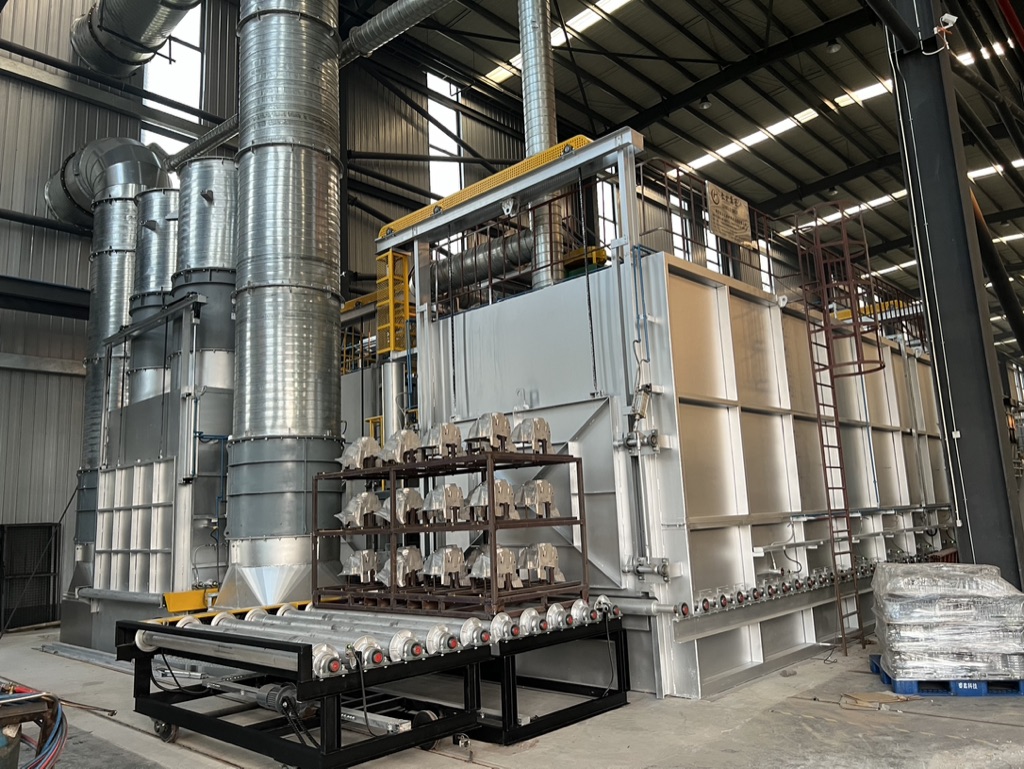 Southeast Asia 6063 Aluminum Billet Market Price System Accelerates Segmentation【SMM Analysis】
With the continued expansion of aluminum processing and downstream industries in Southeast Asia, regional aluminum billet production, consumption and trade markets have attracted growing attention. Malaysia, Thailand and Vietnam are not only important aluminum billet production and consumption hubs in Southeast Asia, but also play a key role in regional aluminum billet trade flows. Markets such as Indonesia, the Philippines and Cambodia, meanwhile, are still at a stage where local processing capacity development and demand for imported aluminum billet are growing simultaneously. Since March 2026, the escalation of geopolitical conflicts in the Middle East has caused significant disruption to the global aluminum supply chain. On the one hand, uncertainty over the supply of primary aluminum and aluminum processed products from the Middle East has increased, pushing up procurement interest in primary aluminum, aluminum billet and secondary aluminum resources across Asian markets outside China. On the other hand, fluctuations in crude oil prices and ocean freight costs have further lifted regional aluminum processing and trading costs. Against this backdrop, LME aluminum prices, Asian regional premiums and Southeast Asian local aluminum billet processing fees have all fluctuated to varying degrees. At the same time, changes in the SHFE/LME price ratio have periodically affected the export arbitrage window for Chinese aluminum processed products. When overseas aluminum prices are stronger than domestic prices and export margins improve, Chinese aluminum processed products and some processing-trade resources show greater willingness to flow into the Southeast Asian market, creating certain disruptions to local billet supply-demand dynamics and quotations. When the price spread narrows, however, regional pricing returns to a framework driven jointly by local supply, imports from the Middle East and other overseas resources. Trade Flows From the perspective of export destinations, the flow of Southeast Asian products under HS760120 is relatively concentrated. In 2025, the top ten export destinations for Southeast Asian HS760120 products totaled around 1.2695 million mt, accounting for approximately 93.3% of total Southeast Asian exports. China was the largest destination, with full-year exports of around 602,100 mt, accounting for approximately 44.3%. Japan, Vietnam and India followed, with around 149,300 mt, 143,500 mt and 111,700 mt respectively, accounting for approximately 11.0%, 10.5% and 8.2%. It should be noted that HS760120 includes primary aluminum alloy ingots, secondary aluminum alloy ingots, other aluminum alloy billets and some cast aluminum alloy products. Therefore, this data mainly serves as a reference for observing trade flows of unwrought aluminum alloys and aluminum alloy billets in Southeast Asia, and cannot be directly equated with 6063 aluminum billet export volumes. Entering 2026, affected by the escalation of the Middle East conflict, uncertainty in the global supply chain for primary aluminum and aluminum processed products increased, and trade flows of aluminum raw materials and aluminum billets in Asia saw certain adjustments. Data shows that total Southeast Asian HS760120 exports fell to around 88,800 mt in February 2026, before rebounding to around 110,700 mt in March and further increasing to around 116,600 mt in April. From February to April, cumulative growth reached approximately 31.2%. In terms of destination changes, China remained the largest export destination, although exports to China declined in April compared with March. India, South Korea, Taiwan, China and Japan showed more obvious increases from March to April. Among them, exports to India rose from around 8,200 mt in February to around 15,700 mt in April; exports to South Korea increased from around 2,400 mt in February to around 10,000 mt in April; exports to Taiwan, China climbed from around 1,500 mt in February to around 4,100 mt in April; while exports to Japan recovered to around 13,700 mt in April. Overall, the rebound in Southeast Asian HS760120 exports from February to April 2026 reflected, on the one hand, the gradual recovery of regional trade after the Chinese New Year holiday. On the other hand, it may also have been related to Asian buyers increasing procurement of Southeast Asian regional resources and supplementing alternative supply sources after the Middle East conflict raised supply risks for overseas primary aluminum, aluminum billet and secondary aluminum. Considering that China, India, Japan, South Korea and Taiwan, China are all important aluminum processing and consumption markets in Asia, the increase in Southeast Asian product flows to these markets indicates that regional unwrought aluminum alloys and aluminum alloy billets have played a certain supplementary and balancing role in trade during periods of supply chain disruption. For the 6063 aluminum billet market, this trend cannot be directly equated with changes in 6063 aluminum billet exports, but it can serve as an important reference for assessing the circulation activity of aluminum billets and aluminum alloy raw materials in Southeast Asia, regional substitution demand and fluctuations in processing fees. Market and Price Analysis With the continued expansion of aluminum processing and downstream enterprises in Southeast Asia, the situation of 6063 aluminum billet differs across countries due to variations in processing levels and downstream demand. Overall, Malaysia and Thailand are the main aluminum billet producing countries in the region and also have certain local consumption capacity. Vietnam’s aluminum processing capacity is growing rapidly, but some local quotations are still mainly for non-homogenized cast billets. Markets such as Cambodia and the Philippines remain at a stage where local processing capacity development coexists with demand for imported aluminum billet. In terms of homogenization status, mainstream 6063 aluminum billet quotations in Malaysia and Thailand usually already include homogenization treatment, and the relevant homogenization cost is mostly included in the aluminum billet processing fee quoted by producers. A small number of non-homogenized 6063 aluminum billet quotations also exist in the Thai market, which can be used to observe the basic processing cost of cast billets. The situation in Vietnam is different. As some enterprises mainly quote non-homogenized cast billets, the apparent processing fee for 6063 aluminum billet is usually around $50-100/mt lower than homogenized quotations in Malaysia and Thailand. Aluminum billet homogenization is an important heat-treatment process in the production of 6063 aluminum billet. It usually refers to placing cast aluminum billets into a homogenizing furnace for heating, holding and cooling treatment, so that the internal composition distribution of the billet becomes more uniform and microstructural segregation formed during casting is improved. For 6063 aluminum billet, homogenization helps improve stability in the subsequent extrusion process, reduce extrusion cracking, surface defects and performance fluctuations, and improve the surface quality and yield of extruded profiles. Therefore, in the aluminum extrusion value chain, homogenized aluminum billet generally has higher use value than non-homogenized cast billet. According to SMM market research, since March 2026, under the influence of factors such as the escalation of Middle East geopolitical conflicts, tighter supply of overseas primary aluminum and aluminum billet resources, and fluctuations in energy and ocean freight costs, 6063 aluminum billet processing fees in major Southeast Asian countries rose to varying degrees. Among them, processing fees for homogenized 6063 aluminum billet in Malaysia and Thailand once increased from the previous $200-250/mt to $250-300/mt, with some high-end quotations even exceeding $300/mt during the peak period. As the Middle East situation eased periodically in mid-June, 6063 aluminum billet processing fees in Malaysia and Thailand declined. At present, mainstream 6063 aluminum billet processing fees in Malaysia have stabilized around $250/mt, and mainstream processing fees for homogenized aluminum billet in Thailand have also stabilized around $250/mt. However, due to differences in raw material structure, product status and quotation basis among enterprises, processing fees still show a wide range. In Thailand, some 6063 aluminum billet processing fees have fallen to as low as around $100-150/mt. In Vietnam, from March to June, 6063 aluminum billet processing fees rose from the previous $150-200/mt to $200-250/mt, before falling back to around $200/mt in mid-June. In addition, from the perspective of the imported aluminum billet arrival market, from May to June, SMM learned that CIF Thailand and Malaysia 6063 aluminum billet premiums/discounts were mostly around a premium of $100/mt, while some low-priced resources even fell to a discount of around $100/mt. These resources were mainly 6063 aluminum billets processed in China under processing trade and then re-exported to the Southeast Asian market. Amid cost advantages and an increase in cargo inflows at certain stages, these resources exerted some impact on the local aluminum billet market in Southeast Asia. From March to April, affected by Middle East geopolitical conflicts, uncertainty over some Middle Eastern aluminum supply increased. Asian buyers in India, Japan, South Korea and Taiwan, China showed higher interest in Southeast Asian aluminum billets and related aluminum alloy resources, driving some Southeast Asian aluminum billet resources to flow out of the region and supporting stronger regional quotations. However, entering May and June, as Chinese aluminum billets flowed into markets such as Thailand and Malaysia through processing trade and re-export channels, competition pressure faced by local Southeast Asian aluminum billet plants increased. SMM research shows that sales pressure for some 6063 aluminum billet producers in Malaysia and Thailand has increased compared with earlier levels, and low-priced imported arrival resources have put certain downward pressure on local ex-works processing fees and the transaction price center. Outlook for Southeast Asian Aluminum Processing Looking ahead, the Southeast Asian 6063 aluminum billet market will continue to evolve around regional processing capacity expansion, import substitution, changes in raw material structure and overseas low-carbon requirements. In the short term, Malaysia, Thailand and Vietnam will remain the core markets for 6063 aluminum billet production and consumption in Southeast Asia. Malaysia and Thailand have relatively mature local billet casting and homogenization capacity, and their pricing systems are closer to a quotation logic based on “LME + regional premium + homogenized processing fee.” Vietnam, meanwhile, still has room for growth in aluminum billet demand as aluminum extrusion and downstream processing capacity improves, but the quotation basis for homogenized and non-homogenized products still needs to be further differentiated. Although local sample coverage in markets such as Indonesia, the Philippines and Cambodia remains limited at present, with the advancement of local aluminum processing projects, future demand for imported aluminum billet, secondary aluminum billet and intra-regional trade flows will remain worth monitoring. In the medium to long term, CBAM and overseas customers’ low-carbon procurement requirements may further drive segmentation in the price system of the Southeast Asian aluminum value chain. For the Southeast Asian aluminum billet market, the impact of CBAM may not necessarily be directly reflected through large-scale exports of aluminum billet itself to Europe, but may instead be transmitted through the export value chain of aluminum profiles, window and door profiles, industrial profiles and other deep-processed products. In the future, when European customers procure aluminum processed products from Southeast Asia, they may pay greater attention to raw material sources, the ratio of primary aluminum, in-house new scrap and aluminum scrap, carbon emission data during production, supply chain traceability and third-party verification capability. Against this backdrop, enterprises with stable homogenization capacity, clear raw material structures, the ability to provide emissions data and low-carbon material options may gain stronger advantages in securing export orders and price negotiations. From the perspective of the price system, CBAM may not immediately drive a one-sided increase in Southeast Asian 6063 aluminum billet processing fees, but it will raise market requirements for differentiating “product status” and “raw material attributes.” In the future, price spreads between liquid aluminum direct-cast billets, remelted aluminum ingot billets and remelted aluminum scrap billets, price spreads between homogenized and non-homogenized aluminum billets, and differences between CIF imported aluminum billet premiums and local ex-works processing fees are all expected to become key areas of market attention. As the aluminum processing industry in Southeast Asia continues to expand, the 6063 aluminum billet market may gradually develop from relatively broad trade quotations in the past toward a more segmented price system differentiated by country, alloy grade, homogenization status, raw material attribute and trade term. SMM Price Points Against the backdrop of regional processing expansion and low-carbon trends, Southeast Asian 6063 aluminum billet processing fees have gradually become one of the key price indicators followed by the market. To help enterprises better track price changes in the Southeast Asian 6063 aluminum billet market, SMM, after market research and improvement of its pricing methodology, will add a series of Southeast Asian 6063 aluminum billet processing fee, calculated reference price and CIF premium/discount price points starting from 3rd July 2026 (Friday) onward for market reference. The Southeast Asian 6063 Aluminum Billet Premium price points will be updated on a weekly basis every Friday at 12:00 noon Kuala Lumpur time, Malaysia, which is the same as Beijing time, GMT+8. Due to differences in settlement methods among enterprises, the full aluminum billet price may vary. For reference, it can be estimated using the following formula: 【LME Official Cash Settlement Price + Quarterly MJP + 6063 Aluminum Billet Processing Fee】. Details of the relevant price points are as follows: Cambodia 6063 Aluminum Billet (Homogenized) Premium, ex-works Cambodia, USD/tonne Malaysia 6063 Aluminum Billet (Homogenized) Premium, ex-works Malaysia, USD/tonne Thailand 6063 Aluminum Billet (Homogenized) Premium, ex-works Thailand, USD/tonne Thailand 6063 Aluminum Billet (Non-homogenized) Premium, ex-works Thailand, USD/tonne Vietnam 6063 Aluminum Billet (Non-homogenized) Premium, ex-works Vietnam, USD/tonne The SMM Southeast Asian 6063 Aluminum Billet price points will be updated on a daily basis every working day at 12:00 noon Kuala Lumpur time, Malaysia, which is the same as Beijing time, GMT+8. The SMM calculated reference price will be derived using the formula: 【LME Official Cash Settlement Price (D-1) + Quarterly MJP + Latest 6063 Aluminum Billet Processing Fee】. Based on this, SMM will publish low-end, high-end and average calculated reference prices. Details of the relevant price points are as follows: SMM Cambodia 6063 Aluminum Billet (Homogenized), ex-works Cambodia, USD/tonne SMM Malaysia 6063 Aluminum Billet (Homogenized), ex-works Malaysia, USD/tonne SMM Thailand 6063 Aluminum Billet (Homogenized), ex-works Thailand, USD/tonne SMM Thailand 6063 Aluminum Billet (Non-homogenized), ex-works Thailand, USD/tonne SMM Vietnam 6063 Aluminum Billet (Non-homogenized), ex-works Vietnam, USD/tonne At the same time, to provide a reference comparison for the Southeast Asian 6063 aluminum billet processing and trading market, SMM will also launch CIF Southeast Asia 6063 Aluminum Billet Premium price points for market reference. The CIF Southeast Asia 6063 aluminum billet premium/discount price points will be updated on a weekly basis every Friday at 12:00 noon Kuala Lumpur time, Malaysia, which is the same as Beijing time, GMT+8. Due to differences in settlement methods among enterprises, the full imported aluminum billet price may vary. For reference, it can be settled using the following formula: 【LME Official Cash Settlement Price + Quarterly MJP + 6063 Aluminum Billet Premium/Discount】. Details of the relevant price points are as follows: CIF Thailand 6063 Aluminum Billet (Non-homogenized) Premium Summary Overall, the Southeast Asian 6063 aluminum billet market is currently at a stage where regional processing capacity expansion, trade flow adjustments and price system segmentation are taking place simultaneously. In the short term, Middle East geopolitical conflicts, changes in overseas primary aluminum and aluminum billet supply, and fluctuations in energy and ocean freight costs will continue to affect Southeast Asian aluminum billet processing fees and import premiums/discounts. At the same time, changes in the SHFE/LME price ratio will also continue to periodically affect the willingness of Chinese aluminum processed products and related aluminum billet resources to flow into the Southeast Asian market. From the perspective of market structure, Malaysia, Thailand and Vietnam remain the core markets for 6063 aluminum billet production, consumption and trade circulation in Southeast Asia. Among them, Malaysia and Thailand have relatively mature pricing systems for homogenized aluminum billet, while Vietnam still requires separate differentiation in price basis due to the relatively high share of non-homogenized cast billet quotations. Going forward, as local processing capacity develops in markets such as Indonesia, the Philippines and Cambodia, changes in regional imported aluminum billet, secondary aluminum billet and local processing fees will also become areas worth continuous tracking. In the medium to long term, CBAM and overseas low-carbon procurement requirements will further increase the importance attached by the Southeast Asian aluminum processing value chain to raw material structure, homogenization capability, carbon emission data and supply chain traceability. Although CBAM may not necessarily drive an immediate one-sided increase in 6063 aluminum billet processing fees, it will prompt the market to more clearly distinguish between different product bases, including liquid aluminum direct-cast billets, remelted aluminum ingot billets, remelted aluminum scrap billets, as well as homogenized and non-homogenized products. Against this backdrop, the launch of SMM Southeast Asia 6063 aluminum billet processing fee, calculated reference price and CIF premium/discount price points will help the market more clearly track changes in regional aluminum billet costs, import substitution space, trade flow adjustments and price differentiation trends under the low-carbon transition.
Jun 26, 2026 14:36- [SMM Stainless Steel Daily Review] SS futures are in the doldrums amid news disturbance, off-season demand leads to weak stainless steel transactions.
[SMM Stainless Steel Daily Review] SS Futures in the Doldrums Amid News-Driven Fluctuations, Stainless Steel Trading Weak During Off-Season Demand According to SMM on June 26, SS futures climbed before pulling back. Driven by the Indonesian government's clarification of rumors regarding RKAB quotas, SS futures strengthened during the night session, but in the morning, dragged by a decline in SHFE nickel, they continued the previous downtrend, drifting lower. As of the midday close, the most-traded SS futures contract settled at 14,585 yuan/mt. In the spot market, inquiries and trading activity picked up early in the session, supported by SS futures’ overnight strength, and offer prices rose accordingly. However, as futures weakened again, wait-and-see sentiment quickly intensified, and trading activity once more turned sluggish. SS futures, the most-traded contract. At 10:15 AM, SS2608 was at 14,670 yuan/mt, up 70 yuan/mt from the previous trading day. Spot premiums for 304/2B in the Wuxi area were in the range of 400-900 yuan/mt. In the spot market, the average price of cold-rolled 201/2B coil in Wuxi stayed flat; the average price of cold-rolled 304/2B (raw edge) coil dropped 50 yuan/mt in Wuxi, while Foshan remained flat; cold-rolled 316L/2B coil prices in Wuxi fell 50 yuan/mt; hot-rolled 316L/NO.1 coil offers in Wuxi were flat; and cold-rolled 430/2B coils in both Wuxi and Foshan held steady. This week, stainless steel futures and spot prices were in the doldrums. Macro headwinds from outside China, combined with industry sentiment disruptions, fueled market pessimism, with off-season fundamentals fully coming to the fore. The overall picture showed macro factors pressuring futures, weakening off-season demand, traders cutting prices to reduce inventories, supply contraction supporting inventory levels, and steel mills…
Jun 26, 2026 14:34