Date Set! 2025 SMM Copper Conference will be officially held from October 15-17! Register Now The conference will focus on technological breakthroughs, market trends, policy coordination, and international cooperation within the copper industry chain. It will feature keynote speeches, industry matchmaking, project signings, technology exhibition, and other sessions. We sincerely invite leading enterprises, research institutions, financial institutions, and industry experts from both domestic and overseas markets to participate and jointly explore new paths for the coordinated development of the industry chain. Conference Highlights Copper Industry Gathering The SMM Copper Conference is an annual grand event for the copper industry, bringing together industry leaders, traders, analysts, and other professionals from around the world. Participants have the opportunity to discuss and understand the latest trends, challenges, and opportunities in the copper market. SMM Copper Industry Carnival Gala Dinner The Copper Metal Carnival Gala Dinner is the social highlight of the annual conference, exclusively for invited VIP guests. It provides a unique networking opportunity and is one of the most important social events in the metal industry. Data & Analysis The SMM Copper Conference offers a wealth of market data and analytical reports to help participants gain in-depth insights into market dynamics and future trends. Participants can access detailed data and insights on copper metal prices, trading volumes, warehousing conditions, and more. Cutting-Edge Topic Discussions The Copper Conference includes multiple panel discussions and speeches covering a wide range of topics, from market forecasting to technological innovation, supply chain management, and the use of financial instruments. Through these discussions, participants can gain a more comprehensive understanding of the industry and practical insights. Global Perspective & International Collaboration The conference will explore the current state and future development trends of the metal industry from a global perspective, promoting international cooperation and exchanges. It features an online 1V1 appointment system to facilitate global participants in arranging meetings and exchanges. It serves as a centralized communication platform for long-term contract negotiations among upstream and downstream participants in the metal mining, smelting, and trading sectors. Register to Attend Target Attendees Downstream industries of copper mining, smelting, processing, and end-use applications · Copper Raw Material Sector Copper Mining Enterprises · Third-Party Service Providers Processing equipment, environmental protection equipment, automation equipment, etc. · Others Government, associations, industry experts, university research institutions, financial institutions, media, platforms, associations, futures companies, securities firms, and banks. · Copper Smelting Sector Copper Smelters · End-Use Sector Electronics, electrical, automotive parts, semiconductors, cables, circuit boards, PV, batteries, etc. · Processing Sector Copper rod, copper plate/sheet and strip, copper billet, copper busbar, copper pipe & tube, copper foil Register to Attend Overall Schedule Conference Agenda Forum 1: Precision Copper Processing Intelligent Manufacturing Forum October 15, Afternoon 13:30-14:00 2025 Copper Processing Material Capacity and Industry Analysis 14:00-15:00 Roundtable Discussion: Current Status and Future Trends of Copper Processing in 2025 15:00-15:30 Market Applications and Trends Outlook for Copper Pipes and Rods 15:30-16:00 Direct Rolling Technology for Secondary Copper: A Closed-Loop Path from Scrap to High-End Copper Rods 16:00-17:00 Roundtable Discussion: Where Should the Copper Industry Go Amid Overcapacity? Main Forum October 16, Morning 09:00-09:20 Opening Ceremony Speech 09:20-09:40 Global Copper Industry Chain Supply-Demand Pattern and Price Forecast for 2025 09:40-10:10 China's Copper Resource Strategy and Countermeasures for Overseas Investment Risks 10:10-10:30 Secondary Copper: The Key to Circular Economy for Breaking Resource Constraints 10:30-10:50 Planning for High-Quality Development of China's Copper Industry 10:50-11:10 Tea Break 11:10-12:00 Roundtable Discussion: Breakthroughs in the Copper Industry: Triple Challenges of Resources, Technology, and Markets 12:00-13:30 Buffet Lunch + Lunch Break Registration Forum II: Key Application Forum for Copper-Based New Materials October 16, Afternoon 13:30-14:00 Current Status and Trends of Global New Energy Development 14:00-14:30 Preparation Technology for New Generation High-Performance Rolled Copper Foil 14:30-15:00 Future Strategies for NEV Products and Application Trends of Green Materials 15:00-16:00 Roundtable Discussion: New Materials and New Applications in Intelligence, AI, Robotics, etc. 16:00-16:30 Effect of Thermomechanical Treatment on the Microstructure and Properties of Cu-Ni-Si Alloy 16:30-17:00 Application of Intelligent Technology in Copper Alloy Design and Strip Processing Forum III: Forum on Low-Carbon Energy Transition in the Copper Industry October 16, Afternoon 13:30-14:00 Interpretation of China's Copper Industry Policies and Transition Pathways under the "Dual Carbon" Goals 14:00-14:30 Innovation Practices in Green Mines and Low-Carbon Smelting Technologies 14:30-15:00 Research on Energy and Carbon Efficiency in Various Links of the Copper Industry 15:00-16:00 Roundtable Discussion: Symbiosis of Metals and Energy 16:00-16:30 Analysis of Costs and Opportunities for Copper Enterprises in the Carbon Trading Market 16:30-17:00 Practical Cases of Revenue from ESS Technologies for Enterprises Registration for Attendance
Jun 9, 2025 10:05On April 22, at the CCIE-2025SMM (20th) Copper Industry Conference and Copper Industry Expo - Copper Industry Innovation Forum, co-hosted by SMM Information & Technology Co., Ltd., SMM Metal Trading Center, and Shandong Aisi Information Technology Co., Ltd., with Jiangxi Copper Corporation and Yingtan Land Port Holding Co., Ltd. as the main sponsors, Shandong Humon Smelting Co., Ltd. as the special co-sponsor, and Xinhuang Group and Zhongtiaoshan Nonferrous Metals Group Co., Ltd. as co-sponsors , , Weng Zhantu, head of the Marketing and Product Department of the Derivatives Division of Jinrui Futures Co., Ltd., shared insights on how over-the-counter derivatives can promote high-quality development in the copper industry. Overview of Over-the-Counter Derivatives Business Growth in Notional Principal of Over-the-Counter Derivatives Business of Risk Management Subsidiaries Over-the-Counter Derivatives Business in the Nonferrous Metals Sector (Market Share) (Data Source: China Futures Market Monitoring Center) Development of Copper On-Exchange Futures and Options In 2024, the daily average open interest of SHFE copper futures was 389,900 lots, with a cumulative trading volume of 50.8647 million lots; the daily average open interest of SHFE copper options was 58,000 lots, with a cumulative trading volume of 23.2471 million lots. Enhancing Industry Risk Management Capabilities Enhancing Industry Risk Management Capabilities - Buy Insurance Strategy (Buying Options) • Enterprise Demand: On March 29, 2024, after a copper processing enterprise priced its raw material procurement, downstream customers did not fix the price due to rising prices, resulting in an unhedged exposure of 1,000 mt. According to the company's policy, strict hedging was required, but the enterprise believed that the market was likely to continue rising. They sought a better way to comply with the strict hedging policy while still benefiting from the rise in copper prices. • Traditional Operation: Hedging with a short futures position on the 05 contract at 72,500, requiring an initial futures margin of 6.525 million yuan. • Hedging Optimization: Purchasing 1,000 mt of at-the-money put options on CU2405 from Jinrui Capital, with an entry price of 72,500, a strike price of 72,500, and an expiration date of April 30, paying a total premium of 1.015 million yuan. • Option Strategy - Buy Insurance (Buying Options) On March 29, 2024: The enterprise purchased 1,000 mt of at-the-money put options on CU2405 from Jinrui Capital, with an entry price of 72,500, a strike price of 72,500, and an expiration date of April 30. The initial premium paid was 1,015 yuan/mt, with a premium rate of approximately 1.40%, totaling 1.015 million yuan initially. April 30, 2024: The closing price of CU2405 was 82,340 yuan/mt, with the options not exercised. The loss at expiration was equal to the initial premium of 1,015 yuan/mt. In a sharply rising market, buying put options for short hedging means that, on one hand, after paying an initial 1.015 million yuan, there is no need for additional margin calls; on the other hand, the inventory at expiration is sold at 82,340 yuan/mt. Combining futures and spot, the enterprise's earnings increase by 8,825 yuan/mt, totaling 8.825 million yuan, effectively capturing the benefits of rising spot prices. • Advantages of buying OTC options: Compared with futures hedging, it can avoid margin calls in a volatile market and effectively capture the benefits of rising spot prices. Compared with exchange-traded options, it allows for flexible selection of strike prices and expiration dates. Enhancing Industrial Risk Management Capabilities - Income-Enhancing Strategies (Selling Options) • Enterprise Needs: On November 26, 2024, copper prices were quoted at around 74,300 yuan. A wire and cable enterprise, based on its business plan and market expectations, planned to establish a raw material inventory reserve. It intended to purchase 1,000 mt at a copper price of around 73,000 yuan and 2,000 mt at around 72,000 yuan through fixed-price procurement. • Traditional Operations: The enterprise placed daily orders for 1,000 mt of long positions in 73,000 futures on the futures market, waiting for execution. ► Option Strategy - Income Enhancement (Selling Options) November 26, 2024: The cable enterprise chose to sell 1,000 mt of out-of-the-money put options with CU2501 as the underlying asset, with an entry price of 74,000, a strike price of 73,000, an expiration date of December 25, a premium of 600 yuan/mt, and a margin of 4,012 yuan/mt, totaling an initial 4.012 million yuan. December 25, 2024: The closing price of CU2501 was 74,140 yuan/mt, with the options not exercised. The enterprise received a premium of 600 yuan/mt at expiration, totaling 600,000 yuan. Upon the expiration of the options, as CU2501 never fell below 73,000 during the period, the enterprise did not purchase additional inventory but still achieved an income increase of 600,000 yuan through selling the options. • Summary of Scenarios for Selling Options: The enterprise has a clear strategic inventory purchase price (or strategic hedging selling price); within the scope of risk appetite, as long as the market logic remains unchanged, continuous rolling operations can be conducted. ► Summary of Characteristics of OTC Options and Exchange-Traded Options: Enhancing Industrial Risk Management Capabilities - Accumulation Structures It lists relevant cases and summarizes the advantages of knock-out enhanced accumulation options: the opportunity to obtain a better position-building price than the entry price; if the price is volatile enough to trigger a knock-out and terminate the option, although the enterprise can no longer continue to acquire long positions at a lower price, it will receive a one-time position for the remaining tonnage at the entry price, which is at least the same as the cost of direct futures position-building and meets the initial hedging quantity. International Development of the Service Industry International Development of the Service Industry - Exporter's Overseas Market Hedging Strategy It lists and summarizes relevant cases of the international development of the service industry - exporter's overseas market hedging strategy. Overseas Commodity Return Swaps: Products linked to commodity futures in overseas markets are traded and settled in RMB domestically. Business Advantages: More convenient settlement in RMB, improving transaction efficiency; Trading Varieties: LME metals, COMEX copper and precious metals, SGX iron ore, ICE cotton, and energy products, etc.; Note: Specific varieties, transaction limits, etc., are subject to actual inquiries. In addition, it also lists and summarizes relevant cases of the international development of the service industry - importer's price ratio locking strategy. Discussion on Optimizing Industrial Financing Models The integration of warrant service business and OTC derivatives business of risk management subsidiaries can provide industrial clients with richer spot financing models. For example: To meet the financing needs of industrial clients for spot purchases, risk management subsidiaries can provide zero-interest warrant service business. 》Click to view the special report on the 20th CCIE-2025SMM Copper Industry Conference & Copper Industry Expo
May 7, 2025 16:20On April 23, at the CCIE-2025SMM (20th) Copper Industry Conference and Copper Industry Expo - Copper Industry Low-Carbon Energy Transition Forum, co-hosted by SMM Information & Technology Co., Ltd. (SMM), SMM Metal Trading Center, and Shandong Aisi Information Technology Co., Ltd., with Jiangxi Copper Corporation and Yingtan Land Port Holding Co., Ltd. as the main sponsors, Shandong Humon Smelting Co., Ltd. as the special co-sponsor, and Xinhuang Group and Zhongtiaoshan Nonferrous Metals Group Co., Ltd. as co-sponsors, Yang Shu, Vice President of Jiangsu Weiheng Intelligent Technology Co., Ltd., introduced how industrial and commercial ESS can assist the copper industry in its green and low-carbon transition. Case Studies in Various Industrial and Commercial Scenarios - Energy-Intensive Enterprises Industrial and Commercial ESS Yield Boundary Conditions: Electricity prices in various provinces in January 2025, ESS power station EPC cost of 1 yuan/Wh, adopting the optimal charge and discharge strategies for each region. He listed the IRR rankings of various provinces. Case Studies in Various Industrial and Commercial Scenarios - Multi-Scenario Refined Control In addition, he introduced the company's products from the perspectives of Weiheng Intelligent - a globally leading digital energy service provider, Weiheng Intelligent - milestones, investment lineup, business layout, R&D centers, capacity and production sites, certification layout, global service outlets, all-scenario ESS solutions, industrial and commercial ESS cooperation models, large-scale energy storage systems, industrial and commercial ESS integrated machines, Power Conversion System (PCS) and AC-side solutions, other solutions - charging piles, digital energy management systems, industry-leading power station control strategies, multi-dimensional control strategies, global technical collaboration, and more reliable data. Click to view the special report on the CCIE-2025SMM (20th) Copper Industry Conference and Copper Industry Expo.
May 6, 2025 17:33On April 23, at the CCIE-2025SMM (20th) Copper Industry Conference and Copper Industry Expo - Main Forum, hosted by SMM Information & Technology Co., Ltd., SMM Metal Trading Center, and Shandong Aisi Information Technology Co., Ltd., with Jiangxi Copper Corporation and Yingtan Land Port Holding Co., Ltd. as main sponsors, and Shandong Humon Smelting Co., Ltd. as a special co-organizer, Xinhuang Group and Zhongtiao Mountain Nonferrous Metals Group Co., Ltd. as co-organizers, Wang Jianlong, Deputy Director of Metallurgy Department One of China ENFI Engineering & Technology Co., Ltd., shared insights on the global copper smelting landscape and intelligent development. Ben Knoefler, Chairman of the Board of KCI Group, analyzed the global copper market for 2025. 1 Global Copper Resource Distribution Overall, the world's copper resources are relatively abundant, with an estimated 31 billion tons of land-based copper resources and 7 billion tons in deep-sea nodules. Natural copper minerals include native copper, oxides, and sulfides. The world's proven copper reserves are about 10 billion tons, and based on current mine production, the static assurance period for mining is approximately 45 years. In terms of regional distribution, the main areas with concentrated copper ore resources globally are: (1) The western foothills of the Andes in Peru and Chile, South America; (2) The Cordillera region in the western part of the North American continent, mainly in the US and Mexico; (3) Central Africa, particularly in the DRC and Zambia; (4) Central Asia, mainly Kazakhstan, Mongolia, and Russia; (5) Australia. The top five countries in terms of copper ore reserves are Chile, Peru, Australia, Russia, and the DRC, accounting for about 57% of the total. 2 Global Refined Copper Consumption Global copper consumption is mainly concentrated in two types of countries or regions. One type is traditional developed Western countries, where copper consumption is relatively stable. The other type is developing countries and regions experiencing rapid economic growth, which have higher copper consumption growth rates and are key factors in global copper consumption growth. According to ICSG statistics, global refined copper consumption in 2024 was 28.577 million mt, up 5.79% YoY. The growth in global refined copper consumption is mainly supported by strong apparent demand in China. The main areas of global copper consumption are power grids, construction, consumer goods, transportation, and engineering machinery, accounting for 28%, 27%, 22%, 12%, and 11% respectively. As a basic raw material, changes in copper consumption are closely related to global economic development. In recent years, consumption of copper plate/sheet and strip in traditional fields and copper foil for circuit boards has been relatively weak, while copper use in the power and new energy sectors has performed well. 3 Global Refined Copper Production and Capacity Distribution Global refined copper production in 2024 was 28.0228 million mt, up 4.07% YoY. The increase in refined copper production is mainly due to capacity expansion in China and the DRC, while production in other regions decreased by about 1%. As the largest consumer and producer of refined copper, China does not have a significant advantage in copper ore resources and needs to import large amounts of copper concentrates. China's refined copper production and copper concentrate imports In 2024, China's refined copper production was 13.644 million mt, and copper concentrate imports were 28.11 million mt. To address the current state of the copper smelting industry, relevant national departments are promoting the healthy and orderly development of the copper smelting industry through industrial policies, environmental protection policies, and other measures. In general, on the supply side, efforts are being made to deepen supply-side structural reforms, strictly control the disorderly expansion of copper smelting capacity, and accelerate intelligent and green transformation. On the demand side, enterprises are being guided to accelerate technological progress, overcome the shortcomings of copper-based new materials, and fully tap the potential applications of copper in new infrastructure and construction projects. Major Chinese Copper Smelters According to incomplete statistics, there are more than 40 copper smelters (production lines) nationwide, with four groups having a capacity of over 1 million mt/a. 4 Global Copper Smelting Processes and Their Development Copper Smelting Processes Pyrometallurgy (80%): Impurities are removed as slag at high temperatures, resulting in copper anode, which is then electrolyzed to produce refined copper. Traditional matte smelting, the main process for copper smelting, is suitable for sulfide ores. One-step copper smelting, with limited industrial application, is suitable for sulfide ores under special raw material conditions. Hydrometallurgy (20%): Copper is enriched in solution through leaching and extraction processes, followed by electrodeposition to produce refined copper. • Leach-extraction-electrodeposition, suitable for oxide ores, especially for large-scale processing of low-grade oxide ores. • Roast-leach-extraction-electrodeposition, suitable for sulfide ores, mixed ores, and copper-cobalt ores. • Oxygen pressure leach-extraction-electrodeposition, suitable for sulfide ores, mixed ores, and copper-cobalt ores. Copper Pyrometallurgical Process Flow It also elaborated on the hydrometallurgical process flow of copper, including roasting, leaching, extraction, and electrodeposition. Several Main Matte Smelting Processes and Their Development ► Flash Smelting: Flash smelting technology includes Outokumpu flash smelting and INCO flash smelting, with Outokumpu technology being widely applied. China began introducing flash smelting technology in the 1980s. Xiangguang Copper innovated boldly based on flash smelting technology, inventing the vortex flash smelting technology, which received a national invention patent. Advantages include high capacity, high automation, and longer furnace life; disadvantages include high investment, complex feed preparation system, poor adaptability to high-impurity raw materials, and the need to reduce costs through scale effects. Recent developments include: high oxygen (even pure oxygen) smelting, further expansion of single-furnace capacity (500,000 mt/a), continuous innovation and improvement of process equipment, and gradual localization. ► Top-Blown Smelting: Top-blown smelting technology, including Ausmelt smelting and ISA smelting, was introduced to China in the 1990s. Characteristics of top-blown smelting technology include using a submerged lance to blow air and oxygen into the melt pool, providing strong stirring and good reaction kinetics, and high production efficiency. Disadvantages include the need to add fuel, inability to separate slag and copper in the furnace, requiring a settling electric furnace, high comprehensive energy consumption, low utilization of oxygen and fuel, and short furnace life. Recent developments include: increasing oxygen concentration, improving matte grade, raising smelting temperature, and continuously extending lance and furnace life. ► Bottom-Blown Smelting: Bottom-blown smelting is a new copper smelting technology with independent intellectual property rights from China ENFI. It was first industrially applied in Vietnam in 2002, and the first bottom-blown copper smelting production line in China was put into operation in 2008. Advantages include simple feed preparation, low furnace investment, high oxygen utilization, and strong adaptability to raw materials, capable of handling high-impurity raw materials. Disadvantages include high copper content in slag and low direct recovery rate. Developments include: further expansion of single-furnace processing capacity (1.8 million mt/a of concentrate); as a representative technology for matte gold capture, it has low requirements for copper content in concentrate and has been applied in complex gold concentrate processing at Shandong Humon, Central China Gold, and Guotou Jincheng. Zhongjin Lingnan Copper Co., Ltd. (formerly Dongying Fangyuan) developed the "Zhongjin Method" for two-step copper smelting based on bottom-blown smelting. China ENFI and Baotou Huading Copper Industry developed the full bottom-blow three-furnace process based on bottom-blown smelting and continuous bottom-blowing. ► Side-Blown Smelting: Based on Vanyukov smelting technology, China developed and applied oxygen-enriched double side-blowing smelting technology in 2009, which has rapidly developed in recent years. Characteristics of side-blown smelting technology include blowing air and oxygen into the melt pool through tuyeres on both sides of the furnace, improving mass and heat transfer conditions, with low blowing pressure, low copper content in slag, and relatively simple operation. Disadvantages include the need for manual opening and plugging of tuyeres and the need to add coal (mainly to inhibit magnetic iron in slag). Recent developments: Rapidly achieved a leap from 100,000 mt capacity to 400,000 mt capacity, with the maximum bed area reaching 70 square meters. ► P-S Converter Blowing: P-S converter blowing, invented in 1905, has been used for over a century and remains the primary copper matte blowing technology worldwide. Advantages include flexible operation and the ability to balance various cold copper-containing materials and externally purchased cold copper using reaction heat. Disadvantages include periodic intermittent operation, large fluctuations in flue gas volume and sulfur content, which are unfavorable for acid-making systems, large flue gas collection volumes, and difficult-to-solve low-altitude SO2 pollution caused by ladle lifting. The drawbacks of P-S converters have prompted metallurgists to seek continuous blowing technologies. ► Flash Blowing: The world's first flash blowing furnace was commissioned at Kennecott Utah Copper in 1995, forming the "double flash" process when paired with flash smelting. Xiangguang Copper was the first in China to introduce "double flash" technology, and the first flash blowing furnace in China was put into operation in 2007. After years of improvement, it developed into vortex flash blowing technology. Currently, there are six flash blowing furnaces in operation in China, five of which are paired with flash smelting, each with a capacity of over 400,000 mt/a, and one paired with bottom-blown smelting, with a capacity of 300,000-400,000 mt/a. Advantages include easy measurement of solid matte, high automation, and high operating rate. Disadvantages include the need for additional grinding equipment for matte and limitations in handling cold materials like anode stubs due to furnace structure and thermal balance. The maximum single-unit designed capacity has reached 500,000 mt/a. Additionally, it provided a detailed introduction to the processes and developments of bottom-blowing and multi-lance top-blowing. 5 Trends in the Copper Smelting Industry Main factors and trends driving global copper smelting development It also reviewed the development policies of China's copper smelting industry and shared interpretations of the main contents of the High-Quality Development Plan for the Copper Industry (2025-2027). 6 Intelligent Development in the Copper Smelting Industry Background of intelligent transformation and upgrading Policy promotion for intelligent transformation and upgrading In March 2021, the State-owned Assets Supervision and Administration Commission (SASAC) issued the Notice on Accelerating the Digital Transformation of State-Owned Enterprises. In November 2021, the MIIT issued the 14th Five-Year Plan for Deep Integration of Informatization and Industrialization. In April 2020, the MIIT, NDRC, and Ministry of Natural Resources jointly released the Guidelines for the Construction of Smart Factories (Mines) in the Nonferrous Metals Industry (Trial). Among these, the Guidelines for the Construction of Smart Smelting Factories in the Nonferrous Metals Industry, led by China ENFI, provide a top-level design for the intelligent development of the nonferrous metal smelting industry. Overall implementation plan for smart factories Expected effects of smart factory implementation It discussed in detail aspects such as organizational management model reconstruction, innovative digital transformation panoramic view, data assetization, and improvement of technical and economic indicators. For more information, click to view the special report on the CCIE-2025SMM (20th) Copper Industry Conference and Copper Industry Expo.
May 6, 2025 16:07In the upcoming year of 2025, we anticipate that the global economy will face a series of complex and volatile challenges. With the US presidential election concluded, the uncertainty of global trade policies will further increase, presenting new issues for international trade cooperation. In the geopolitical arena, ongoing conflicts and tensions show no significant signs of easing, posing threats not only to global security but also significantly impacting resource allocation and industrial layout. Against this macro backdrop, industrial transfer and supply chain restructuring have become key topics that we must closely monitor. At the industrial level, the trend of protectionism in mineral resources is on the rise, directly affecting the stability of global copper concentrate TCs. With the rapid expansion of global smelting capacity, the profit margins of copper smelters are further compressed, and the challenges faced by the industry are becoming increasingly severe. In the field of secondary copper raw materials, the advancement of Environmental, Social, and Governance (ESG) standards and the "dual carbon" goals have significantly increased market attention to secondary copper. However, the "reverse invoicing" policy implemented in 2024 and the "Fair Competition Regulations" have had a profound impact on the secondary copper industry. Looking ahead to 2025, the changes in the landscape of the secondary copper industry will have a critical impact on the entire copper industry chain. Additionally, with the cancellation of tax subsidies and other incentives, the space for copper cathode trade will further narrow. We expect that the procurement ratio of copper processing materials between traders and smelters will show a more pronounced differentiation. In this context, the "CCIE 2025 SMM (20th) Copper Industry Conference and Copper Industry Expo" meticulously prepared by SMM will be grandly held in Nanchang, Jiangxi from April 22-25, 2025. The Hubei Copper Industry Association/Daye Nonferrous Metals Group Holding Co., Ltd. will attend this conference in full force. We will keep pace with the times, aim for our goals, strive diligently, and move forward courageously! Click the registration form to sign up immediately, and we look forward to meeting you at the conference. The Hubei Copper Industry Association was established in October 2024, initiated by Daye Nonferrous Metals Group Holding Co., Ltd., Hubei Aerospace Cable Co., Ltd., Hubei Nuode Lithium Battery Materials Co., Ltd., and Wuhan Second Wire & Cable Co., Ltd. It is a provincial, industrial, non-profit social organization registered and approved by the Hubei Provincial Department of Civil Affairs. The association currently has nearly 100 member units, covering major enterprises and institutions in the province engaged in copper exploration, mining, smelting, deep processing, end-use products, and industry chain services. The association is committed to building a platform for communication and cooperation between government departments, research institutions, universities, supply chain services, and copper enterprises, creating a professional, service-oriented, and academic exemplary industry association that is distinctive, vibrant, and satisfactory to members and the government, becoming a true "industry home" and "golden nanny" for member enterprises. The mission of the association is scale growth, product optimization, technological advancement, innovation enhancement, and green and low-carbon development. The vision of the association is a "billion-dollar aircraft carrier—Central China Copper Valley," and the values of the association are unity, collaboration, progress, and win-win. The association provides high-quality industrial and professional services to its members. Industrial services include industry chain docking, industry-university-research docking, industrial planning research, investment and financing services, transformation and upgrading, brand creation services, exhibition and exchange, scientific research and innovation, supply chain services, market information research, and policy and regulation interpretation. Professional services include inspection and testing, high-end talent cultivation, intellectual property services, technical support and transfer, high-end, intelligent, and green development, and enterprise diagnostic consulting. Since its establishment, the association has actively built a platform for enterprise communication and cooperation, helping member units achieve resource sharing and mutual benefit. It has actively provided suggestions to the government to solve practical difficulties for enterprises. It has actively communicated and cooperated with state-owned central enterprises and national key scientific research institutions to help enterprises develop new quality productive forces. It has actively established cooperative relationships with national industry associations and societies, continuously expanding the "circle of friends" and influence of the copper industry in our province. Daye Nonferrous Metals Group Holding Co., Ltd. (hereinafter referred to as "the company") is the largest domestic investment enterprise of the central enterprise China Nonferrous Metal Mining (Group) Co., Ltd., located in Huangshi, Hubei, which has a 3,000-year history of bronze culture. The company was founded in 1953 and was one of the 156 key projects during the first Five-Year Plan of New China. It has successively been under the jurisdiction of the Central South Nonferrous Metals Industry Administration, the National Heavy Industry Ministry, the Metallurgical Industry Ministry, the China Nonferrous Metals Industry Corporation, and Hubei Province. On January 21, 2011, China Nonferrous Metal Mining (Group) Co., Ltd. reorganized the company into an important domestic copper smelting base. After more than 70 years of construction and development, the company has grown into a state-owned large-scale copper industrial conglomerate integrating geological exploration, mining, mineral processing, smelting, and processing. It mainly owns 4 operating mines, 3 operating smelters, 1 copper processing enterprise, 1 "urban mining" dismantling and utilization enterprise, as well as supporting enterprises in scientific research, logistics, maintenance, and trade. Currently, it has an annual production capacity of 4.3 million mt of mining and mineral processing, 700,000 mt of blister copper, 1 million mt of copper cathode, 20 mt of gold, 1,000 mt of silver, 2.6 million mt of sulphuric acid, 240,000 mt of iron ore concentrates, and 300,000 mt of copper rod. The market share of its annual copper cathode production ranks among the top in the country. While focusing on strengthening and optimizing the domestic industry, the company adheres to an outward-looking perspective, actively expanding overseas business. Relying on the "going global" development strategy of its parent company, China Nonferrous Metal Mining (Group) Co., Ltd., and its own professional advantages, the company has established an engineering technology company and an overseas maintenance center, providing resource development, operation, and maintenance services and technical support for overseas Chinese enterprises in Central and Southern Africa, helping the development of overseas Chinese enterprises. The company is an innovative enterprise in Hubei Province, possessing a series of scientific and technological innovation platforms such as a national-level enterprise technology center, a postdoctoral research workstation, a national-level engineering practice education center, a nationally accredited laboratory, and a Class A research institute in the metallurgical industry, focusing on building new quality productive forces. The company currently has 1,876 management and technical personnel, including 732 with intermediate or higher professional titles, covering 15 fields such as metallurgy, mining, mineral processing, and machinery. It has obtained 342 national authorized patents, 158 various types of scientific and technological awards, and has presided over or participated in the drafting and revision of 170 international, national, and industry standards. It has successively won honorary titles such as "National Civilized Unit," "National Contract and Creditworthy Enterprise," "National May 1st Labor Certificate," "National Model Harmonious Labor Relations Enterprise," "National Excellent Enterprise in Employee Ideological and Political Work," and "National Excellent Unit in Enterprise Culture Construction." Looking to the future, the company will always adhere to the original intention of "contributing to the development of China's copper industry" and the mission of representing the "national team" in global competition. Guided by General Secretary Xi Jinping's three important instructions and the spirit of the 2.26 instruction to China Nonferrous Metal Mining (Group) Co., Ltd., the company will implement the "1+4" development strategy of China Nonferrous Metal Mining (Group) Co., Ltd., continuously strengthen scientific and technological innovation, optimize the industrial structure, deepen internal reforms, continuously enhance core competitiveness and core functions, and strive to build a first-class copper enterprise with distinct intelligent and green characteristics, contributing to China Nonferrous Metal Mining (Group) Co., Ltd.'s goal of becoming a world-class mining enterprise, and demonstrating the responsibility of a central enterprise in realizing Chinese-style modernization. SMM Conference Contact: Jie Ren, 18655033505, renjie@smm.cn.
Apr 30, 2025 17:41On April 23, at the CCIE-2025SMM (20th) Copper Industry Conference and Copper Industry Expo — Main Forum, hosted by SMM Information & Technology Co., Ltd., SMM Metal Trading Center, and Shandong Aisi Information Technology Co., Ltd., co-sponsored by Jiangxi Copper Corporation and Yingtan Land Port Holding Co., Ltd., and specially co-organized by Shandong Humon Smelting Co., Ltd., and co-organized by Xinhuang Group and Zhongtiaoshan Nonferrous Metals Group Co., Ltd., Ben Knoefler, Chairman of the Board of KCI Group, analyzed the global copper market in 2025. The growing global demand conflicts with limited supply; copper is now a strategic asset for electrification and digital growth; this article explores demand drivers, supply risks, and strategies. ► Demand Drivers — A Copper-Intensive Future • Renewable Energy: 3.6 mt of copper per megawatt (wind energy), copper in solar inverters; • EVs: 83 kg of copper per EV, compared to 20 kg for traditional vehicles; • Infrastructure: Urbanization, smart cities, and green buildings; • Growth Prospects: 22% CAGR for EVs, 8.4% CAGR for renewable energy. ► Supply Constraints — Widening Supply Gap • Aging Mines and Declining Ore Grades: Most large existing mines are experiencing declining copper production per mt of ore. • Insufficient New Project Pipeline: Mine development takes over 10 years, and there is underinvestment in new supply. • Geopolitical and Regulatory Risks: Political instability, environmental regulations, and permit delays hinder production. • Underinvestment: Weak capital investment for decades has slowed exploration and project development. • Smelters face significant challenges in maintaining production. ► Price Outlook — Bullish on Copper Prices • Short-term: Citigroup expects prices to reach $10,000 to $12,000 per mt. • Medium-term: In 2025, copper prices may fluctuate between $8,800 and $9,500 per mt. • Long-term: With the energy transition, prices are expected to exceed $15,000 per mt. • (Price Trends) Driven by structural demand, tight supply, and tariff factors. ► Strategic Responses — Capturing Value in a Tight Supply Market • Target high-grade small and medium-sized deposits. • Focus on regions with easier approvals and strategic demand. • Align exploration efforts with industrial off-taker needs. • Act with a venture capitalist mindset — be flexible and act quickly. ► Unlocking the Potential of Artisanal and Small-Scale Mining (ASM) — An Underutilized Lever in Copper Mining Challenges: • High Initial Investment Costs: Unlike gold or tin, copper mining requires significant infrastructure. • Regulatory Hurdles: ASM faces difficulties in complying with environmental and labor regulations. • Market Access Issues: Informal supply chains make scaling up production difficult. • ASM lacks the facilities or financial support to improve raw material quality and benefit from "economies of scale." Opportunities: • ASM accounts for a relatively small share of global copper supply but plays a significant role in global gold (20%), tin (25%), and tantalum (26%) supply. • To date, there are no statistics or registries on ASM copper production, even in Peru, a major global copper producer. • Considering data on other minerals and metals, ASM has significant potential. • ASM can quickly fill supply gaps due to accessible resources and market availability. ► Conclusion — Copper's Strategic Positioning Copper is an attractive investment (with a gap between demand and supply). In a copper bull market, while only a few companies can seize opportunities, most are not taking action to secure future business/supply. Recommendations: • Invest in small-scale mining operations to bring copper to market faster. • Secure direct supply through long-term agreements/micro-level investments with mines. • Focus on high-grade deposits accessible to individuals and ASM, engage in strategic M&A, and promote sustainable mining. Final Outlook — Seizing the Strategic Future of the Copper Industry • Demand growth outpaces supply growth — structural shortages will persist until 2035+; • Long-term prices remain bullish but with cyclical fluctuations; • Strategic, flexible investment models are most likely to benefit; • In an increasingly copper-driven economic environment, first movers will gain a competitive advantage. 》Click to view the special report on the CCIE-2025SMM (20th) Copper Industry Conference and Copper Industry Expo.
Apr 30, 2025 17:35**English Translation:** On April 24, during the **CCIE-2025 SMM (20th) Copper Industry Conference & Expo – High-Quality Development Forum for Copper-Based New Materials**, co-hosted by **SMM Information & Technology Co., Ltd. (SMM)**, **SMM Metal Exchange Center**, and **Shandong AIS Information Technology Co., Ltd.**, with **Jiangxi Copper Corporation** and **Yingtan Port Holding Co., Ltd.** as chief sponsors, **Shandong Humon Smelting Co., Ltd.** as a special co-organizer, and **Xinhuang Group** and **Zhongtiaoshan Nonferrous Metals Group Co., Ltd.** as co-organizers, **Prof. Chang Yongqin, a doctoral supervisor from the University of Science and Technology Beijing**, shared insights on the manufacturing and applications of high-temperature-resistant, high-strength, and high-conductivity copper alloys. **Industry Challenges and Current Status** **High-Strength, High-Conductivity Copper Alloy Applications** High-strength, high-conductivity copper alloys combine high strength with excellent electrical/thermal conductivity. They are primarily used in electronics, aviation, aerospace, NEVs, high-speed rail, power transmission, and other fields. **Industry Challenges and Current Status** **Pain Points**: Existing commercial high-strength, high-conductivity copper alloys experience significant drops in strength, fracture toughness, and severe high-temperature creep deformation when operating temperatures rise, failing to meet service requirements. **Critical Needs**: Rapid advancements in nuclear fusion devices, continuous casting crystallisers, IC lead frames, NEV connectors, high-speed rail contact wires, and rocket combustion chamber liners urgently require enhanced high-temperature performance of these alloys, posing a "bottleneck" challenge. **A. No Materials Meet Design Requirements** **Performance Requirements**: High strength, thermal conductivity, elongation, thermal stability, neutron irradiation resistance, and low tritium retention. **Pain Point**: Elevated service temperatures cause drastic reductions in strength, fracture toughness, and severe creep deformation, failing to meet component design needs. **B. Existing Products Require Upgrades** **R&D Needs**: Development of copper alloys with high strength, thermal conductivity, stability, and creep resistance at elevated temperatures. **Pain Point**: Rising currents in NEV connectors increase material heating and operational temperatures, leading to degraded alloy performance and creep deformation, which cannot meet service demands. **Projected Demand**: Domestic NEV connector demand for copper alloys is expected to reach **291,000 mt** by 2025, with a CAGR of 21.9% from 2021-2025. NEV connectors alone will require **247,000 mt** of copper alloys by 2025. **Requirements**: High electrical conductivity and anti-aging performance at high temperatures are critical to ensure reliable operation, safety, extended lifespan, efficiency, and cost reduction. **Melting Process for High-Temperature-Resistant, High-Strength, High-Conductivity Copper Alloys** **Potential Customers**: Fusion reactor divertors, continuous casting crystallisers, rocket combustion liners, NEV connectors, IC lead frames, and resistance welding electrodes. **R&D Breakthroughs**: The developed alloy addresses the urgent need for high-performance heat sink materials in fusion reactors and offers broad applications in industries like crystallisers, rocket liners, and NEVs, with significant market potential. **Core Technologies**: 1. Precise control of element volatilization/loss via optimized vacuum melting parameters. 2. Thermomechanical processing tailored to composition for microstructure/performance control. 3. Innovative "multi-riser" mold design to improve yield. **Composition Optimization Advantages** **Objective**: Achieve high strength, electrical/thermal conductivity, and adequate plasticity at elevated temperatures. **Challenge**: Balancing strength and electrical/thermal conductivity. **Solution**: Composition design and thermomechanical processing to impede dislocation/grain boundary movement, ensuring stable microstructure and performance at high temperatures. **Innovations**: 1. **Multi-functional alloying elements**: High-temperature solid solubility in copper, low-temperature precipitation of high-melting-point phases, reduced stacking fault energy (promoting twinning). 2. **Element coupling**: Combined V and Ti additions form stable Laves phases, enhancing high-temperature performance while minimizing conductivity loss. 3. **RE oxide additions**: Multicomponent interactions strengthen, toughen, and purify the alloy. 4. **Second-phase refinement**: Bimodal nano-precipitates form coherent/semi-coherent structures with the matrix, blocking dislocations; uniformly distributed Laves phases at grain boundaries impede grain motion. 5. **Low-Σ grain boundaries**: Introducing low-Σ (coincidence site lattice) boundaries improves machinability and plasticity. **Synergistic enhancement of high-temperature strength and thermal conductivity achieved.** **2.1 High-Temperature-Resistant, High-Strength, High-Conductivity Copper Alloy – CuCrZrTiV** - **Elevated temperature performance**: Service temperature exceeds C18150 by 100°C; lifespan at 450°C is 9× longer. - **Mid-temperature brittleness resolved**. - **Excellent irradiation resistance**: Post-3 dpa Cu ion irradiation, only 5 nm faulted tetrahedra and 3.5 nm dislocation loops observed. - **450°C/50 MPa creep rate: 2.89×10⁻¹⁰ s⁻¹; 450°C tensile strength: 371 MPa (14.6% elongation); thermal conductivity >300 W/m·K; superior thermal stability vs. IG-CuCrZr.** Additional alloys discussed: CuCrZrHf (anti-creep) and CuHfSc (ultra-high conductivity). **Mastered Core Technologies** **Key Products**: High-temperature-resistant, high-strength, high-conductivity copper alloys. **Validation**: 50 kg batch production and testing completed; deployed in ITER and continuous casting crystallisers. **Powder Metallurgy Process for High-Temperature-Resistant Alloys** **3.1 Ultra-High-Strength Cu-W Alloy** - Room-temperature tensile strength ≥795 MPa; 450°C strength ≥289 MPa; softening temperature >1050°C (near copper’s melting point); no hardness degradation after 700°C/400 h annealing. **Innovation**: Achieved record-high strength (795 MPa) with excellent thermal stability. **3.2 Ultra-High-Temperature Ta-Series Alloy** - CuTaZrY softening temperature exceeds 850°C (GlidCop-Al15 baseline) by ≥200°C. **Stability Mechanism**: Bimodal shell-core nano-precipitates pin grain boundaries and dislocations. **Conclusions** 1. **CuCrZrTiV alloy**: 450°C tensile strength reaches 395 MPa (exceeding IG-CuCrZr), with 600°C softening temperature (200°C higher than IG-CuCrZr) and resolved mid-temperature brittleness. 2. **CuCrZrHf alloy**: Balances thermal stability, conductivity, and creep resistance. 3. **CuHfSc alloy**: 623 MPa room-temperature strength, 95% IACS conductivity. 4. **Cu-W alloy**: 795 MPa strength (highest reported) with ductility and conductivity superior to existing PM copper alloys. 5. **CuTaZrY alloy**: Highest-reported softening temperature (>1050°C), 200°C above GlidCop-Al15, with high strength and thermal conductivity. **View the CCIE-2025 SMM (20th) Copper Industry Conference & Expo Feature Report**
Apr 30, 2025 16:21In the upcoming year of 2025, we anticipate that the global economy will face a series of complex and volatile challenges. With the US election settled, the uncertainty of global trade policies will further increase, presenting new issues for international trade cooperation. In the geopolitical arena, ongoing conflicts and tensions show no significant signs of easing, posing threats not only to global security but also significantly impacting resource allocation and industrial layout. Against this macro backdrop, industrial relocation and supply chain restructuring have become key topics that we must closely monitor. At the industrial level, the trend of protectionism in mineral resources is on the rise, directly affecting the stability of global copper concentrate TCs. With the rapid expansion of global smelting capacity, the profit margins of copper smelters are further compressed, and the challenges faced by the industry are becoming increasingly severe. In the field of secondary copper raw materials, the advancement of Environmental, Social, and Governance (ESG) standards and the "dual carbon" goals have significantly increased market attention to secondary copper. However, the "reverse invoicing" policy implemented in 2024 and the "Fair Competition Regulations" have had a profound impact on the secondary copper industry. Looking ahead to 2025, the changes in the landscape of the secondary copper industry will have a critical impact on the entire copper industry chain. Additionally, with the cancellation of tax subsidies and other incentive measures, the space for copper cathode trade will further narrow. We expect that the procurement ratio of copper processing materials between traders and smelters will show a more pronounced differentiation. In this context, the "CCIE 2025SMM (20th) Copper Industry Conference and Copper Industry Expo" meticulously prepared by SMM will be grandly held in Nanchang, Jiangxi from April 22-25, 2025. IKOI will attend this conference in full force, keeping pace with the times, aiming at our goals, striving diligently, and moving forward with courage! Click the registration form to sign up immediately, and we look forward to meeting you at the conference. Booth number: D12. Bringing innovation and sustainable technology to the precious metals industry. IKOI, established in 1977, is a global leader in thermal metallurgical processes for precious metal refineries, mints, and jewelry markets. Currently, it has three main product series: the COMPACT integrated fully automatic gold and silver ingot casting system, the FCC Flameless Casting Chamber® fully automatic delivery ingot system, and the ALS system, which uses physical methods for gold and silver separation without acid. IKOI's vision is to create safe, efficient, and green methods for precious metal processing, and its mission is to bring innovation and sustainable technology to the precious metals industry. Contact: Yong Ni, 187 0185 9684.
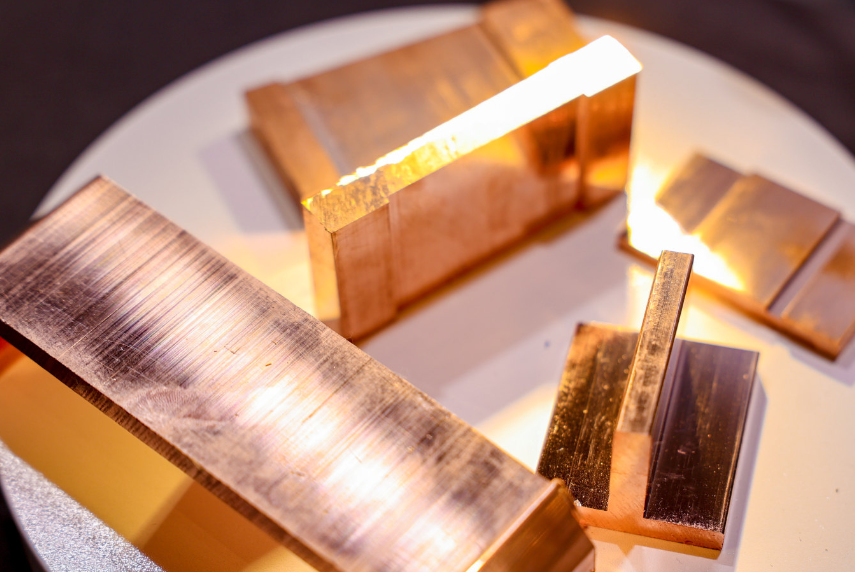
Apr 30, 2025 13:35Copper busbars, as an indispensable "bridge" in power systems, ensure stable power transmission and safe operation with their excellent electrical conductivity and corrosion resistance.
Apr 30, 2025 11:35In the upcoming year of 2025, we foresee that the global economy will face a series of complex and volatile challenges. With the US election settled, the uncertainty of global trade policies will further increase, bringing new topics to international trade cooperation. In the geopolitical arena, ongoing conflicts and tensions have not shown significant alleviation, which not only poses a threat to global security but also has a significant impact on resource allocation and industrial layout. Against this macro backdrop, industrial transfer and supply chain restructuring have become key topics that we must pay close attention to. At the industrial level, the trend of protectionism in mineral resources is on the rise, directly affecting the stability of global copper concentrate TCs. With the rapid expansion of global smelting capacity, the profit margins of copper smelters are further compressed, and the challenges faced by the industry are becoming increasingly severe. In the field of secondary copper raw materials, the advancement of Environmental, Social, and Governance (ESG) standards and the "dual carbon" goals have significantly increased market attention to secondary copper. However, the "reverse invoicing" policy implemented in 2024 and the "Fair Competition Regulations" have had a profound impact on the secondary copper industry. Looking ahead to 2025, the changes in the landscape of the secondary copper industry will have a critical impact on the entire copper industry chain. Additionally, with the cancellation of tax subsidies and other incentive measures, the space for copper cathode trade will further narrow. We expect that the procurement ratio of copper processed materials between traders and smelters will show a more pronounced differentiation. In this context, the "CCIE 2025 SMM (20th) Copper Industry Conference and Copper Industry Expo" meticulously prepared by SMM will be grandly held in Nanchang, Jiangxi from April 22-25, 2025. The Jin-Tong Industry of Shanghang County will attend this conference in full force. We will keep pace with the times, aim at our goals, strive diligently, and move forward with courage! Click the registration form to sign up for the conference immediately. We look forward to meeting you at the conference. Shanghang County Jin-Tong Industry Development Center. As a characteristic and dominant industry of Shanghang County, the Jin-Tong industry is one of the 100-billion-yuan industrial clusters in Fujian Province and one of the two major industrial leading industries in Longyan City. There are currently 61 Jin-Tong industry enterprises, including 27 above-scale enterprises and 12 enterprises with an output value of over 100 million yuan, among which there are 2 enterprises with an output value of over 10 billion yuan and 3 enterprises with an output value of 1-10 billion yuan. It has attracted 7 Fortune 500 companies such as Geely Group and GAC Group, and 4 China 500 companies such as Transfar Group and Guizhou Phosphate Chemical to join the Shanghang Jin-Tong industry, extending the development of high-value-added new material production projects, forming a diversified, rich, and technologically complex Jin-Tong smelting industry chain, copper deep processing industry chain, and rare and precious metals industry chain, gradually building a Jin-Tong industrial cluster. In 2024, the output value of above-scale enterprises in the Jin-Tong industry reached 121.5 billion yuan, up 5.8% YoY, achieving counter-trend growth under complex and severe international and domestic situations. 1. Jin-Tong Smelting Industry Chain. There are currently 5 enterprises including Zijinshan Gold-Copper Mine and Zijin Copper Industry. Led by Zijin Copper Industry, following the principle of "thorough utilization and green development," with copper cathode, phosphate, hydrofluoric acid, fertilizer, gypsum building materials, and fluorosilicon materials as the main products, the focus is on developing sulfur-phosphorus chemical, sulfur-fluorine chemical, and building materials industries for comprehensive utilization of resources, achieving green and circular development in smelting. 2. Copper Deep Processing Industry Chain. There are currently 45 enterprises including Min Tong Copper Industry, Rui Long Copper Industry, and Yintong Superconductor. With copper rod, copper strip, copper pipe & tube, copper foil, medium and low voltage cables, communication cables, and power equipment as the main products, the focus is on extending and expanding in the fields of power transmission and distribution, electronic information, home appliances, and sanitary ware, vigorously developing special wires and cables, high-end copper alloy strips, copper alloy pipes, high-precision copper foil, new conductive materials, enamelled wire, ultra-fine copper wire, and 5G communication accessories as end-use products. 3. Rare and Precious Metals Industry Chain. There are currently 3 enterprises including Gold Smelting and Jiujiu Gold. Led by Gold Smelting, with gold, silver, jewelry, gold wire, gold salt, silver salt, and electronic silver paste as the main products, the focus is on developing downstream rare and precious metal material processing, gold and jewelry processing, and extending the development of high-value-added products such as high-purity gold photosensitive materials, catalytic functional materials, electrical contact materials, precious metal coatings, bonding gold wire, precious metal targets, nano silver wire, and gold strip. SMM Conference Contact: Jie Ren, 18655033505, renjie@smm.cn.
Apr 30, 2025 10:45