

217results found for 'the latest news'
Price
News
- May Auto Production and Sales Data Released: New Energy Dominates, Exports Surge; What's the Potential for the June Auto Market? [SMM Special]
In mid-June 2026, the CAAM and the China Power Battery Industry Innovation Alliance successively released relevant data on the automobile and power battery markets for May 2026. The CAAM stated that in May, auto production and sales rose MoM but edged down YoY. Affected by multiple factors including policy adjustments, changes in market structure, and a macro environment under pressure, the Chinese market continued to show a double-digit decline YoY; meanwhile, exports were strong and sustained rapid growth. .......SMM has compiled the relevant data on the automobile and power battery markets for May 2026, for readers’ reference. Automobile CAAM: May Auto Production and Sales Reached 2.616 Million and 2.629 Million Units, Both Up MoM In May, auto production and sales reached 2.616 million and 2.629 million units, up 1.6% and 4.1% MoM respectively , and down 1.2% and 2.1% YoY respectively. From January to May, auto production and sales totaled 12.235 million and 12.207 million units, down 4.6% and 4.2% YoY respectively, with the declines narrowing further compared with the first four months. CAAM: May NEV Production and Sales Rose 22.4% and 14.4% YoY Respectively; NEV Sales Accounted for 47.5% of Total New Vehicle Sales In May, NEV production and sales reached 1.554 million and 1.496 million units, up 22.4% and 14.4% YoY respectively . NEV sales accounted for 56.9% of total new vehicle sales. From January to May, NEV production and sales reached 5.841 million and 5.802 million units, up 2.5% and 3.5% YoY respectively, and NEV sales accounted for 47.5% of total new vehicle sales. CAAM: NEV Exports More Than Doubled in May and January-May In May, NEV exports reached 446,000 units, up 3.8% MoM and 110% YoY. Of these, passenger NEV exports stood at 435,000 units, up 3.4% MoM and 110% YoY; commercial NEV exports reached 12,000 units, up 21% MoM and 48.1% YoY. From January to May, NEV exports totaled 1.833 million units, up 110% YoY . Of these, passenger NEV exports were 1.792 million units, up 120% YoY; commercial NEV exports were 41,000 units, up 0.6% YoY. The CAAM commented that in May, auto production and sales rose MoM but edged down YoY. Affected by multiple factors such as policy adjustments, market structure changes, and a macro environment under pressure, the Chinese market continued to see a double-digit decline YoY; exports developed robustly, sustaining a rapid growth trajectory. By car model, passenger vehicle sales edged down YoY, commercial vehicle sales maintained growth, and the NEV market stabilized and rebounded. Since the beginning of this year, the auto market has exhibited a pronounced characteristic of "domestic demand under pressure, foreign trade strong." The industry's operations have faced multiple challenges, including insufficient domestic demand, high costs, and external shocks. On the end-user side, policies and market expectations should be stabilized, industry governance deepened, restrictive measures introduced cautiously, and the consumption baseline solidified; on the foreign trade side, it is necessary to deepen international development, effectively address various risks and challenges, and strengthen the stabilizing support role of the international cycle. Meanwhile, the CPCA also released data on the passenger vehicle market for May. From May 1st to 31st, retail sales of passenger vehicles nationwide reached 1.51 million units, down 22.1% YoY, but up 9.2% MoM; cumulative retail sales since the start of the year reached 7.099 million units, down 19.5% YoY. In the NEV segment, May NEV retail sales fell 7% YoY, with domestic brands declining 10%, mainstream joint ventures growing 51%, and luxury brands growing 8%. Domestic retail sales of domestic economy EVs were significantly impacted by the sharp drop in subsidies. Due to strong subsidies for NEV commercial vehicles, the low and mid-end MPV segment experienced a relatively large decline. In terms of NEV exports, passenger NEV exports in May reached 424,000 units , up 112.6% YoY and up 4.4% MoM. These accounted for 54.1% of total passenger vehicle exports, an increase of 9.5 percentage points compared to the same period last year. Among them, BEVs accounted for 59.3% of NEV exports (compared to 66.1% same period last year), with the core focal A00+A0 class BEVs accounting for 53.8% of BEV exports (compared to 50.7% same period last year). Alongside the emerging scale advantages of Chinese NEVs and the demand for market expansion, an increasing number of Chinese-made NEV branded products are going overseas, with their recognition outside China continuously improving. Among NEV exports, narrow-body plug-in hybrid vehicles accounted for 36.2% (compared to 31.9% same period last year), and extended-range EVs accounted for 4.4% (compared to 2.0% same period last year). Although external interference from certain countries has occurred recently, the export of domestic narrow-body plug-in hybrids to developing countries has grown rapidly and shows bright prospects. The CPCA stated that the domestic passenger vehicle market in May 2026 presented an operational dynamic of overall volume under pressure, MoM strengthening, and extreme structural differentiation, without achieving a substantive recovery overall. The slight recovery in the auto market in May was mainly attributed to the evident effectiveness of the industry's "anti-involution" efforts, stabilizing automaker sales promotions and weakening the consumer expectation of price cuts. This, combined with the warmth-boosting effect of the Beijing Auto Show, released some pent-up car purchase demand, forming a phased terminal rebound. It said that the core features of the auto market in May were the collapse of internal combustion engine vehicle domestic sales, the strong dominance of new energy vehicles, and the counter-trend growth of exports. The main cause of the domestic auto market decline was the sharp contraction in fuel vehicle sales under the impact of high oil prices. In May, fuel vehicles accounted for a 37.1% share, but their YoY decline contributed 82% of the total decline in passenger vehicles, dragging down the overall market trend. Factors such as high oil prices and consumption transformation accelerated the "fuel-to-electric substitution" process. This month, the retail penetration rate of new energy vehicles continued to exceed 60%, reaching a historical high of 62.9%. The electrification transformation of joint venture brands accelerated. In May, sales of new energy JV car models grew 51% YoY, while fuel vehicle sales fell 41% YoY. Exports continued to be the industry's core growth engine. In May, the share of new energy in exports hit a new high of 54%, but fuel vehicle exports also showed strong performance with 46% growth, forming an exceptionally strong performance of China's all-round export growth. Characteristics of the passenger vehicle market in May 2026: 1. Overall volume was under pressure, with major structural divergence, and "fuel cold, new energy hot" became the biggest focus. The core reason for the decline in domestic retail was the "fuel collapse," which drove the new energy retail penetration rate to break through 60% to 62.9% (a new high), with the pace of electrification substitution exceeding expectations. 2. The electrification transformation of joint venture brands accelerated. In May, domestic retail sales of mainstream JV new energy vehicles grew 51% YoY, while the overall growth rate of domestic new energy vehicles slowed by 10%. JV brands such as Buick (with new energy accounting for 45%) began to show initial results in their shift to new energy. 3. Exports showed explosive growth, with new energy accounting for 54% (a new high) in exports, driven by both new energy and domestic brands, and going global becoming the core growth engine. 4. Clear characteristics of passive destocking and a relatively rapid decline in channel inventories. Listed dealers suffered overall losses, and dealer survival pressure continued to increase. 5. Independent brands made notable breakthroughs in the high-end segment, with retail sales of passenger vehicles in the 200,000-300,000 yuan, 300,000-400,000 yuan, and above 400,000 yuan price segments all exceeding 50%. 6. Micro EVs were under pressure, A-class cars shrank, entry-level consumption badly needed support, and the launch of economy EV standards was eagerly anticipated. Power Battery Update In April, power and ESS battery sales grew 47.4% YoY. January-May cumulative sales grew 48.5% YoY. In May, China's power and ESS battery sales reached 182.2 GWh, up 11.0% MoM and 47.4% YoY . Among them, power battery sales were 127.0 GWh, accounting for 69.7% of total sales, up 16.6% MoM and 45.2% YoY; ESS battery sales were 55.2 GWh, accounting for 30.3% of total sales, down 0.1% MoM but up 52.7% YoY. From January to May, China's cumulative power and ESS battery sales reached 783.4 GWh, up 48.5% YoY . Of this, cumulative power battery sales reached 527.9 GWh, accounting for 67.4% of total sales, up 34.9% YoY; cumulative ESS battery sales were 255.5 GWh, accounting for 32.6% of total sales, up 87.7% YoY. May China power battery installations up 25.9% YoY, LFP share at 81.2% In May, China's power battery installations reached 71.9 GWh, up 15.2% MoM and 25.9% YoY . Ternary battery installations were 13.4 GWh, accounting for 18.6% of total installations, up 15.9% MoM and 27.3% YoY; LFP battery installations were 58.4 GWh, accounting for 81.2% of total installations, up 14.9% MoM and 25.4% YoY. From January to May, cumulative power battery installations in China reached 259.1 GWh, up 7.3% YoY . Ternary battery cumulative installations were 50.8 GWh, accounting for 19.6% of total installations, up 13.3% YoY; LFP battery cumulative installations were 208.2 GWh, accounting for 80.4% of total installations, up 6.0% YoY. May: Leap Motor dominated among NEV startups; BYD's export growth impressive In early June, May domestic NEV sales/delivery figures were released. BYD continued to lead the global NEV market with sales exceeding 380,000 units. Among domestic NEV startups, Leap Motor's outstanding performance once again ignited market enthusiasm, setting a new monthly delivery record with over 80,000 units! Details are as follows: BYD: According to its announcement, BYD sold a total of 383,453 vehicles in May, including 376,990 passenger vehicles. By brand: Dynasty/Ocean series sold 330,215 units; Fang Cheng Bao sold 30,186 units; Denza sold 16,303 units; Yangwang sold 286 units. From January to May, BYD's cumulative sales reached 1,405,039 units. The company's cumulative NEV sales surpassed 16.5 million units. BYD's sales recovery was mainly supported by exports. Data shows that in May, BYD's overseas sales reached 161,000 units, up 80.4% YoY. NEV Startups: In May, Leap Motor delivered 81,569 vehicles across its entire lineup, up 81% YoY, setting a new historical high for monthly deliveries. The company's NEV sales grew steadily, maintaining its lead. Leap Motor also performed excellently in Italy's pure electric vehicle market, with monthly registrations reaching 4,765 units, up 1,278% YoY, and its pure electric market share reaching a record high of 34.5%. NIO delivered a total of 37,705 new vehicles in May, up 62.3% YoY and 28.4% MoM. Specifically, NIO brand deliveries reached 20,013 units, up 50.8% YoY; Ledao brand delivered 12,029 units, up 91.5% YoY and 124.8% MoM; and Firefly brand delivered 5,663 units, up 53.9% YoY and 13.7% MoM. In the first five months of this year, NIO delivered a total of 150,526 new vehicles, representing a 68.7% YoY increase. To date, NIO's cumulative deliveries have reached 1,148,118 units. Li Auto ranked third among NEV startups with monthly deliveries of 33,350 units this time. As of May 31, 2026, Li Auto's cumulative deliveries reached 1,702,792 units. Li Xiang, Chairman and CEO of Li Auto, said that since Q1 this year, Li Auto's deliveries have entered a growth trajectory, reclaiming the top spot among Chinese brands in the NEV market priced above 200,000 yuan. As of May 31, 2026, Li Auto had 498 retail centers across China, covering 160 cities; and 543 after-sales repair centers and authorized service centers, covering 222 cities. Li Auto has put into use 4,088 Li Auto supercharging stations nationwide, equipped with 22,563 charging piles. XPeng Motors delivered 32,158 new vehicles in May. On May 20, the new technology flagship XPeng GX was officially launched and began deliveries. Within 12 hours of launch, firm orders reached 24,863 units, with the Ultra flagship edition accounting for over 80% of orders. Showroom traffic and test drive volume hit a record high for the same period of any new car launch, making it one of the most popular products among users in the high-end luxury car market and a key step in XPeng Group's brand elevation. In the global market, XPeng maintained strong momentum. In April, overseas deliveries of the P7+ commenced, and monthly overseas sales exceeded 6,000 units for the first time. As of the end of Q1, XPeng had entered over 60 countries and regions worldwide, with 393 overseas sales outlets. Starting from Q2, international business revenue contribution is expected to exceed 20%. In H2 this year, XPeng plans to deliver four global car models, aiming to achieve sustained monthly overseas sales of over 10,000 units in Q4 and more than double full-year overseas sales. Xiaomi Auto's monthly deliveries continued to exceed 30,000 units in May, and its cumulative deliveries surpassed 139,000 units from January to May. On June 13, the latest news, Lei Jun, Chairman of Xiaomi Group, posted on Weibo that Xiaomi Auto attaches great importance to testing, with massive investment and scale. Currently, the testing team consists of over 800 members, of which over 45% are experts with more than 10 years of experience. This team has conducted tests in more than 300 cities and completed over 35 million kilometers of cumulative testing. Xiaomi Auto has 126 laboratories across four cities—Beijing, Nanjing, Shanghai, and Wuhan—covering a total area of over 65,600 m². It has also rented two full-vehicle comprehensive testing grounds in Yancheng, Jiangsu, and Guangde, Anhui. There is a dedicated team of around 500 personnel for extreme environment testing. This team is split into summer testing and winter testing units and is mainly responsible for four major extreme environment tests: Heihe (extreme cold), Turpan (extreme heat), the Kunlun Mountains (high altitude), and Hainan (high humidity). Overall, Cui Dongshu, Secretary General of the CPCA, noted that the key features of the auto market in May were “sluggish domestic sales of internal combustion engine vehicles, strong dominance of new energy vehicles, and YoY growth in exports amid headwinds.” Based on the current industry situation, the CPCA adjusted market expectations, revising the decline in full-year domestic passenger vehicle retail sales to 11%, from the 1% decline forecasted at the start of the year. Cui Dongshu stated that the auto market will gradually stabilize and improve in Q3, return to a growth trajectory in Q4, and the full-year decline in domestic passenger vehicle retail sales is expected to narrow to 11%, with the market still holding recovery potential. If the global situation stabilizes, commodity and oil prices return to reasonable ranges, transportation costs subsequently pull back, domestic consumer confidence in car purchases will gradually recover, and the auto retail market will also see a sustained recovery. Looking ahead to June, the CPCA projects that China’s domestic passenger vehicle market in June 2026 will present a weak recovery pattern of “MoM recovery, YoY pressure,” with the market slowly mending based on its own fundamentals. As a month-end period, June sees automakers pushing for their semi-annual sales targets, with OEMs and end-user stores increasing order replenishment efforts, a key positive factor supporting MoM recovery. There will be 21 working days this month, forming a YoY advantage of one extra working day compared to the base of 20 working days in June last year, providing a positive boost to overall production and sales. However, based on past experience, during months when the World Cup is held, the auto market’s sequential performance tends to be weaker. It fell 7% MoM in June 2018, and by 4% MoM in both June 2010 and June 2014. The negative impacts from the previous reduction in passenger vehicle trade-in subsidies and the cooling of the industry price war have been largely absorbed, marking an end to negative policy factors and providing a foundation for market recovery. End-user pace, the auto market showed a “front-loaded and then stabilizing” trend. Combined with the month-end semi-annual sales push effect, the overall monthly trajectory was relatively steady. Notably, the Dragon Boat Festival holiday fell on June 19 this year, significantly later than its May 31 date last year. The concentrated disruption from holiday foot traffic and diverted consumer spending affected the market this month, slightly suppressing mid-month car ordering enthusiasm and partially offsetting some of the benefits from the semi-annual month-end sales push and extra working days. This emerged as a key seasonal factor influencing the monthly trend. It is worth noting that geopolitical conflicts have driven international oil prices to fluctuate at highs, causing the cost of using fuel vehicles in China to keep climbing. This not only directly suppresses the willingness to purchase fuel vehicles but also adds to residents' expenditure pressure, further weakening overall car purchase consumption power and becoming a core factor constraining significant YoY growth in the auto market. At the same time, however, high oil prices have also been continuously accelerating the transition to vehicle electrification. Coupled with the momentum of pushing for half-year targets at the end of June, automakers have introduced compliant concession policies such as interest subsidies and car purchase gift packages for new energy models. Together with the concentrated delivery of multiple new NEV models, the industry's product portfolio has been continuously improved, and strength on the supply side has increased substantially. Currently, industry inventory is being gradually and orderly digested, the vicious price war has largely subsided, and terminals are clearing inventory through mild sales promotions, making market competition trend toward a benign state. Driven by multiple favorable factors, the passenger NEV penetration rate is expected to remain firmly above 60%, with the electrification process continuing to accelerate, becoming the core pillar supporting the resilience of the auto market. Against the backdrop of sluggish domestic demand, automobile exports have become the core pillar of industry growth, creating a pattern of "weak domestic demand, leading overseas demand." Chinese automakers continue to deepen their presence in overseas markets, focusing on diverse markets such as Latin America and Europe, effectively offsetting the impact of declining demand in the Middle East, with export sales maintaining high growth. Relying on the mature domestic new energy industry chain and high-quality products, automobile exports continue to move upscale and upgrade across all categories, effectively offsetting the growth pressure in the Chinese market and supporting the overall stable operation of the industry. Overall, the Passenger Vehicle Association estimates that the auto market's recovery momentum in June will be limited, structural potential remains large, and the overall weak recovery trend will persist.
Jun 16, 2026 18:39 - Henan Shifang to Invest $200M in 150,000 MT Colored Aluminum Project, Awaiting EIA Approval
According to the latest news, Henan Shifang New Materials Co., Ltd. plans to build a project with an annual output of 150,000 mt of colored aluminum products, with a total investment of 200 million yuan. Currently, the project is in the public notice stage for the approval of the environmental impact assessment document, with the public notice period lasting from May 25, 2026 to May 29, 2026.
May 28, 2026 10:48 - Lead Market Sees Decline in Both Supply and Demand, Post-Holiday Lead Price Outlook Remains Pessimistic [SMM Lead Market Weekly Forecast]
Next week, due to the Labour Day holiday, China's SHFE and other exchanges will be closed on May 4-5; the LME outside China will be closed on May 4 for the Early May Bank Holiday. Key macro economic data includes US April ADP employment, US April unemployment rate, and US April seasonally adjusted non-farm payrolls, which are about to be released. Additionally, according to the latest news, the first batch of US tariff refunds will be issued around May 11, indicating a loosening of tariff policies, while we need to continue monitoring the progress of US-Iran negotiations. LME lead side, LME lead inventory decline slowed down, while the LME Cash-3M spread maintained a slight discount for nearly a week, indicating strong support for lead prices. The impact of Middle East events on shipping has not yet been resolved, and spot supply in Southeast Asia remains tight, especially with high-grade lead ingot premiums at elevated levels. Lead prices are expected to continue consolidating and await new factors. LME lead is expected to trade in the range of $1,935-1,975/mt next week. SHFE lead side, downstream enterprises will be on concentrated holiday during Labour Day, while lead smelter maintenance or production shutdowns increased in April-May. However, the concentrated short-term consumption reduction still poses a significant risk of inventory buildup for lead ingots after the holiday. Combined with new delivery factors in May, lead prices may come under pressure and weaken before the holiday. The most-traded SHFE lead contract is expected to trade in the range of 16,450-16,800 yuan/mt next week. Spot price forecast: 16,350-16,650 yuan/mt. Supply side, primary lead and secondary lead smelters are undergoing concentrated maintenance, lead ingot supply is tightening regionally, and the import window for lead ingots has closed, reducing imported lead inflows. If lead prices weaken subsequently, spot discounts (against futures) in some regions will narrow, and secondary lead may even see an inversion (i.e., premiums against SMM #1 lead average price). After the holiday, downstream enterprises will resume production, but due to mediocre order performance, producers will maintain a produce-based-on-sales approach.
Apr 30, 2026 17:09 - February Auto Production and Sales Data Released, NEV Exports Continued Strong Growth. Will the Auto Market Gradually Strengthen in March? [SMM Special Report]
In mid-March 2026, CAAM and the China Automotive Power Battery Industry Innovation Alliance successively released relevant data on the auto and power battery markets for February 2026. According to CAAM’s analysis, auto production and sales declined YoY under the combined impact of multiple factors, including policy transition adjustments, front-load demand release, the timing shift of the Chinese New Year holiday, insufficient willingness to consume, and a high base in the same period last year. Among them, the passenger vehicle market and NEV market both declined YoY, while the commercial vehicle market continued to improve, and auto exports grew rapidly. .......SMM compiled the relevant data on the auto market and power battery market for February 2026 for readers’ reference. Automobiles CAAM: February Auto Output and Sales Reached 1.672 Million and 1.805 Million Units, Respectively In February, auto output and sales totaled 1.672 million and 1.805 million units, down 31.7% and 23.1% MoM, and down 20.5% and 15.2% YoY, respectively. From January to February, auto output and sales totaled 4.122 million and 4.152 million units, down 9.5% and 8.8% YoY, respectively. CAAM: February NEV Sales Reached 765,000 Units; January-February NEV Output and Sales Reached 1.71 Million Units In February, NEV output and sales totaled 694,000 and 765,000 units, down 21.8% and 14.2% YoY, respectively. NEV sales accounted for 42.4% of total new vehicle sales. From January to February, NEV output and sales totaled 1.735 million and 1.71 million units, down 8.8% and 6.9% YoY, respectively. NEV sales accounted for 41.2% of total new vehicle sales. CAAM: Auto Exports Continued to Grow in February; NEV Exports up 1.1x YoY In February, NEV exports were 282,000 units, down 6.6% MoM, up 1.1x YoY ; traditional fuel vehicle exports were 391,000 units, up 2.8% MoM and up 26.2% YoY . From January to February, NEV exports were 583,000 units, up 1.1x YoY; traditional fuel vehicle exports were 769,000 units, up 22.2% YoY . Regarding the auto market in February, CAAM said that this year’s Chinese New Year fell in mid-to-late February, and the holiday was extended. As a result, there were only 16 effective working days in February, which had a certain impact on enterprise production and operations, and overall market activity declined. Judging from industry performance from January to February, auto production and sales declined YoY under the combined impact of multiple factors, including policy transition adjustments, front-load demand release, the timing shift of the Chinese New Year holiday, insufficient willingness to consume, and a high base in the same period last year. Among them, the passenger vehicle market and NEVs declined YoY, while the commercial vehicle market continued to improve and auto exports grew rapidly. This year’s government work report explicitly proposed to stimulate the endogenous momentum of household consumption and advance consumption-promoting policies in parallel, continue to amplify the effect of the policy package, further rectify “involution-style” competition, and foster a sound market ecosystem. It is believed that, as detailed local subsidy measures are fully implemented after the holiday, spring auto show sales promotions begin, and automakers roll out new models one after another, this will help boost consumer confidence, energize the auto market, and promote the healthy and stable operation of the industry. Subsequently, the CPCA also released data on the passenger vehicle market for February 2026. From February 1 to 28, retail sales in China’s passenger vehicle market reached 1.034 million units, down 25.4% YoY and down 33.1% MoM. Cumulative retail sales since the beginning of the year totaled 2.578 million units, down 18.9% YoY. As market factors have become more complex, the pattern of “low at the beginning and high at the end” in annual sales has become more evident in recent years. Affected by disruptions such as Chinese New Year, February retail sales have seen wild YoY swings over the years, for example: 2019 (-19%), 2020 (-79%), 2021 (373%), 2022 (5%), 2023 (10%), 2024 (-21%), and 2025 (26%). Therefore, the -25.4% in 2026 was at the lower-middle end of the range of sharp fluctuations in February growth rates over the years. NEVs, retail sales in the passenger NEV market were 464,000 units in February, down 32.0% YoY; from January to February, retail sales in the passenger NEV market were 1.06 million units, down 25.7% YoY. Retail sales of conventional fuel passenger vehicles were 570,000 units in February, down 19% YoY. In February, passenger NEV producer exports were 269,000 units, up 124.7% YoY and down 7.0% MoM; from January to February, passenger NEV producer exports were 559,000 units, up 114.7% YoY, while exports of conventional fuel passenger vehicles were 290,000 units in February, up 21% YoY. NEV exports, as the scale advantages of China’s new energy vehicles become more apparent and market expansion demand grows, more and more China-made new energy brand products are going outside China, and their recognition outside China continues to improve. Among them, PHEVs accounted for 38% of NEV exports (38% in the same period last year). Although they have recently been affected by some disruptions from external countries, exports of independently developed PHEVs to developing countries have grown rapidly, with bright prospects. In February, passenger NEV exports were 269,000 units, up 124.7% YoY and down 7.0% MoM. They accounted for 48.5% of passenger vehicle exports, up 14.8 percentage points YoY; BEVs accounted for 58% of NEV exports (59% in the same period last year), and A00- and A0-class EVs, the core focus, accounted for 55% of BEV exports (56% in the same period last year). The CPCA stated that after the NEV purchase tax exemption policy, which had been implemented since September 2014, was formally phased out at the end of December 2025, the NEV market in 2026 entered a recovery period amid adjustments to tax subsidies. Some consumers brought forward purchases to 2025 to benefit from the policy, resulting in a certain pull-forward effect in January-February this year. This was an expected short-term fluctuation and does not represent the market’s long-term trend. However, with Chinese New Year falling later this year, making it a major consumption year, growth in the auto market diverged, and NEVs did not perform strongly, indicating that more policy support is still needed. Key features of the passenger vehicle market in February 2026: 1. In February, passenger vehicle producers’ daily average exports hit a record high for the month, fully demonstrating the steadily improving competitiveness of China’s automotive industry in the global market and continued robust demand outside China; 2. The retail pullback after the expiration of the vehicle purchase tax exemption was evident, but structural changes were also clear, namely a higher share of high-end NEVs and a lower share of entry-level consumption, which is conducive to the industry’s transition toward high-quality development; 3. New vehicle launches were steady in 2026, and together with the advance of anti-involution efforts curbing disorderly price cuts, NEV sales promotions stayed at 10.4% in February, remaining around 10% for six consecutive months. No vicious volume discount competition emerged, helping maintain market order; 4. The historical pattern of internal combustion engine vehicles outperforming NEVs before Chinese New Year continued again. In February, retail sales in China of internal combustion engine vehicles fell 19% YoY, while pure electric vehicle retail sales fell 35% YoY, range-extended vehicles fell 16% YoY, and PHEVs fell 31% YoY. As time goes by, consumers are expected to gradually adapt to the normalization of NEV taxation, and the NEV market is expected to return to a track of positive growth; 5. This February was still a pre-Chinese New Year consumption phase dominated by internal combustion engine vehicles. NEV penetration rate in retail sales in China was 44.9%, and export penetration rate was 48.5%, which was a relatively good performance; 6. In February 2026, exports of self-owned-brand internal combustion engine passenger vehicles reached 247,000, up 21% YoY, while exports of self-owned-brand NEVs reached 231,000, up 110% YoY. NEVs accounted for 48.4% of self-owned-brand exports. In particular, the high growth of NEV exports in Europe, Southeast Asia, and other regions marked the expanding influence of China’s NEV brands in the international market, laying a solid foundation for future export growth. Power Battery In February, China’s cumulative sales of power and ESS batteries reached 113.2 Gwh, up 25.7% YoY In February, China’s sales of power and ESS batteries reached 113.2 Gwh, down 23.9% MoM, up 25.7% YoY . Of this, power battery sales were 74.5 Gwh, accounting for 65.9% of total sales, down 27.4% MoM and up 11.4% YoY; ESS battery sales were 38.6 Gwh, accounting for 34.1% of total sales, down 16.2% MoM and up 67.3% YoY. From January to February, China’s cumulative sales of power and ESS batteries were 262 Gwh, up 53.8% YoY . Of this, cumulative power battery sales were 177.2 Gwh, accounting for 67.6% of total sales and up 36.5% YoY; cumulative ESS battery sales were 84.8 Gwh, accounting for 32.4% of total sales and up 108.9% YoY. From January to February, cumulative power battery installations were 68.3 Gwh, with LFP installations accounting for 77.9% In February, China’s power battery installations were 26.3 Gwh, down 37.4% MoM and down 24.6% YoY. Of this, ternary battery installations were 5.7 Gwh, accounting for 21.7% of total installations, down 39.1% MoM and down 11.4% YoY; LFP battery installations were 20.6 Gwh, accounting for 78.3% of total installations, down 36.9% MoM and down 27.5% YoY. From January to February, cumulative power battery installations in China were 68.3 Gwh, down 7.2% YoY. Of this, cumulative ternary battery installations were 15.1 Gwh, accounting for 22.1% of total installations and up 0.6% YoY; cumulative LFP battery installations were 53.3 Gwh, accounting for 77.9% of total installations and down 9.2% YoY. More Than 60% of A/H-Share Automakers Achieved YoY Growth, March Auto Market Production and Sales Will See Rapid MoM Growth Earlier, CLS compiled the January-February sales performance of 14 A/H-share listed automakers, of which 9 achieved YoY growth, accounting for more than 60%, and 3 automakers recorded February sales outside China exceeding those in the Chinese market. Among emerging EV makers, Leap Motor still firmly held the top spot in deliveries, with 28,067 units delivered in February, up 10.99% YoY; cumulative deliveries in 2026 reached 60,126 units, up 19.16% YoY. While releasing its February delivery figures, Leap Motor said its March car purchase incentives had gone live, with discounts of up to 46,000 yuan for in-stock vehicles. Li Auto delivered 26,421 units in February, up 0.6% YoY. Cumulative deliveries in 2026 reached 54,089 units, down 3.74% YoY. As of February 28, 2026, Li Auto’s historical cumulative deliveries totaled 1.594 million units. Li Auto said that as of February 28, 2026, it had 539 retail centers nationwide, covering 160 cities; 548 after-sales repair centers and authorized service centers, covering 223 cities. Li Auto had put into use 4,054 Li Auto supercharging stations nationwide, with 22,447 charging piles. NIO delivered 20,797 new vehicles in February, up 57.65% YoY. Cumulative deliveries in the first two months of 2026 reached 47,979 units, up 77.34% YoY. To date, NIO has delivered a total of 1,045,571 new vehicles. At 22:33:18 on February 6, NIO completed its 100 millionth battery swap; during the 2026 Chinese New Year holiday, NIO provided a cumulative 2,073,500 battery swapping services, with daily average services up 29.4% YoY versus the Chinese New Year holiday last year. From February 15 to February 23, NIO Energy's cumulative highway charging and battery swapping volume exceeded 25.28 million kWh, accounting for 15% of the national highway charging and battery swapping total. Starting from February 18 (the second day of the Chinese New Year), NIO battery swapping set new single-day service records for five consecutive days. XPeng Motors delivered a total of 15,256 new vehicles in February, bringing cumulative deliveries in the first two months of 2026 to 35,267 units, down 42% YoY. In February, the all-new XPeng G6 launched in the UK, with the entire lineup equipped as standard with an 800V high-voltage platform and a new-generation LFP battery, while introducing an all-wheel-drive performance black edition for the first time. The XPeng G6 has now been exported to more than 40 countries and regions worldwide, covering Asia-Pacific, Europe, the Middle East and North Africa, and Latin America, and continues to win favour among an increasing number of overseas consumers. As for Xiaomi Auto, its deliveries exceeded 20,000 units in February, while January deliveries exceeded 39,000 units, bringing cumulative deliveries in the first two months of 2026 to 59,000 units. Notably, the Xiaomi YU7 continued to rank first in sales in February and has now held the top spot for six consecutive months. In February 2026, Xiaomi YU7 sales reached 20,196 units, ranking among the top three passenger vehicle models nationwide for the month. As for BYD, China's "EV king," February sales reached 190,190 units, retaining its position as China's NEV sales champion. In January-February 2026, BYD Group's cumulative sales reached 400,241 units, while cumulative overseas sales of passenger vehicles and pickups totaled 200,160 units, and cumulative new energy vehicle sales exceeded 15.5 million units. On March 5, BYD unveiled the second-generation blade battery. Wang Chuanfu, Chairman of BYD Group, said that the second-generation blade battery can charge from 10% to 70% in 5 minutes, and from 10% to 97% in just 9 minutes. The second-generation blade battery offers 5% higher battery energy density than the first-generation blade battery. Car models equipped with the second-generation blade battery include the Yangwang U7, Denza N9, Fangchengbao Tai 3, Seal 07, Datang, Sea Lion 06, Song Ultra, Fangchengbao Tai 7, Denza Z9GT, and Yangwang U8L, among which the Denza Z9GT has a driving range of 1,036 km. Regarding auto industry sales in February 2026, Cailian Press quoted an executive at a new carmaker as saying, "Affected by the longest-ever nine-day Chinese New Year holiday in February, the auto industry's effective production and sales period was significantly shortened, making it a typical off-season for auto consumption. Combined with the phased reduction in the vehicle purchase tax incentive, the auto industry as a whole remained subdued and full of challenges.” Looking ahead to the passenger vehicle market in March, the CPCA said that March this year had 22 working days, one more than the 21 working days in March 2025. As industries across the board rapidly returned to normal operations after the Chinese New Year holiday, production and sales growth in March is expected to rise sharply MoM. The post-Chinese New Year period is an important window for new product launches, and many producers rolled out a large number of new vehicles. Driven by national pro-consumption policies, many provinces and cities introduced corresponding measures to stimulate consumption, while the full resumption of offline activities such as auto shows will also accelerate the return of foot traffic. As prices of lithium carbonate, copper, and other materials have remained high recently, coupled with the continued anti-involution trend, producers are expected to launch relatively few new energy car models offering better-than-expected value for money, leaving limited potential for an explosive rebound in auto consumption. Although the recent Middle East crisis caused some transportation disruptions, China’s complete vehicle enterprises shifted from “chartering vessels and waiting for shipping space” to “building ships and controlling transport,” with rapid expansion of their own fleets, greater autonomy and control over shipping capacity, and significant optimization in cost and efficiency. Our sales support capabilities are stronger than those of other international automakers, and if the crisis does not last long, export transportation will not be significantly affected. As the national trade-in policy is fully implemented, the consumer potential for replacement and upgrade purchases will be gradually released, helping the auto market strengthen steadily in March. In 2026, policy subsidies and structural optimization in the auto industry will become key factors in leveraging overall market prosperity and accelerating the premiumization of new energy vehicles. Although the 2026 consumer goods trade-in subsidy fund of 250 billion yuan was down 50 billion yuan from 2025, the 100 billion yuan in special fiscal and financial coordinated funding to boost domestic demand can reduce financing costs for residents’ car purchases and automakers through loan interest subsidies and financing guarantees, effectively stimulating endogenous consumption momentum and expanding new room for domestic demand. Huachuang Securities pointed out that since March, the passenger vehicle retail market has begun to improve, with foot traffic and transactions gradually recovering, mainly due to the digestion of deferred wait-and-see demand from last year and the launch of new models. Attention should be paid to market acceptance of new vehicles after price increases and to dynamic adjustments by automakers. Although the subsidy amount per vehicle declined this year, coverage may expand. Combined with the low base in H2 last year, industry retail sales growth in H2 is expected to turn positive, with full-year retail growth expected at 1%, including +5% for EVs. Export data for January-February exceeded expectations, and full-year exports are expected to surpass 7.1 million units, boosting wholesale growth by about 3%, including +8% for EVs. In February, due to weaker demand during the Chinese New Year, the new energy penetration rate remained firm at 48%. Current total channel inventory is about 3.4 million units, an increase of about 600,000 units compared to the same period last year. Rising Prices of Memory Chips and Precious Metals, Some Automakers Warn of Cost Pressure It is worth noting that as memory chip and precious metal prices have fluctuated upward recently, some automakers in the market have begun trying to respond to supply chain cost pressure through “price increases.”Monitoring data from TrendForce showed that since H2 2025, prices of DDR4 memory used in automotive-grade DRAM have risen by more than 150% cumulatively, while DDR5 memory prices have surged by 300%. Data provided by UBS showed that over the past three months, automotive-grade DRAM prices as a whole increased by 180%. According to incomplete statistics, since the start of 2026, multiple automakers, including NIO, Li Auto, VOYAH, Xiaomi, and Zeekr, have issued warnings or been reported to be facing cost challenges brought by chip price increases. In a livestream, Deepal Chairman Deng Chenghao said that current production costs have risen by several thousand yuan compared with earlier levels, with the pressure mainly coming from wild swings in power battery and in-vehicle memory chip prices; Li Auto Vice President of Supply Chain Meng Qingpeng even warned that the supply fulfillment rate for automotive memory chips in 2026 may be less than 50%; Xiaomi Chairman Lei Jun mentioned in a livestream in January that the new Xiaomi SU7 is facing memory cost pressure that is jumping quarter by quarter, with memory cost per vehicle expected to increase by several thousand yuan. However, according to the latest news from NIO on March 11, NIO founder and chairman Li Bin said that rising prices of memory and other raw materials have impacted the cost of high-end new energy car models by 3,000 to 5,000 yuan respectively, with the total impact nearing 10,000 yuan. At present, NIO’s existing system can support the pressure brought by rising costs, and the company currently has no plan to adjust prices. At the Q4 and full-year 2025 earnings call, Li Auto President Ma Donghui said that in response to the impact brought by the current increase in parts prices, Li Auto will strengthen coordination with supply partners and sign long-term LTA agreements with relevant suppliers to lock in prices or allocations in advance. If there is a price adjustment mechanism, it will be strictly implemented in accordance with the contract; where there is no price adjustment mechanism, the company will also share costs with suppliers. It will absorb as much of the pressure from external price increases internally as possible, including through its self-developed range extender and self-developed chips. “Li Auto will comprehensively consider parts costs and user value in determining the pricing of new car models, and is confident that through a series of measures it can keep the impact of raw materials within a reasonable range,” Ma Donghui said. UBS warned that chip shortages may begin disrupting global auto production as early as Q2 this year, with EV manufacturers that are highly dependent on advanced chips expected to be affected the most.
Mar 17, 2026 18:25 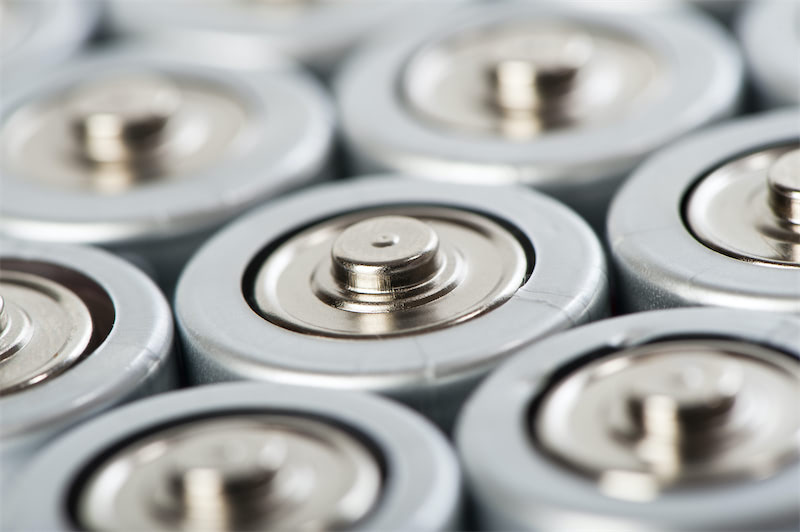 Energy Density Breaks 348.5 Wh/kg! Zhaona New Energy's Solid-State Sodium-ion Battery Sets New Industry Record
On December 31, 2025, Sodium Technology announced that its large-format (above 25 Ah) all-solid-state sodium-ion battery cell achieved an energy density of 348.5 Wh/kg, certified by the China Automotive Technology and Research Center. The battery utilizes a "high-specific-energy layered oxide cathode + anode-free" technology. The cathode, optimized through atomic-level design, combined with the anode-free structure, significantly enhances energy density and cycle performance. This breakthrough challenges the traditional perception of low energy density in sodium-ion batteries, surpassing mainstream ternary lithium batteries, and is expected to promote the application of sodium-ion batteries in high-end power, aerospace, and other fields.
Dec 31, 2025 14:36- SW China Lead-Acid Battery Maker to Trial-Produce New Line in Q3, Lead Demand to Rise
[SMM Lead-Acid Battery Update] According to the latest news, a lead-acid battery manufacturer in south-west China is expected to commission and conduct trial production of a new production line in Q3. The official commissioning time is scheduled for October, but the specific date remains to be confirmed. Once production is on track, the manufacturer's total monthly demand for lead ingots and lead alloys is projected to increase to over 2,000 mt.
Sep 9, 2025 16:23