

777results found for 'tantalum'
Price
News
- Yahua Accelerates Construction of Zimbabwe Lithium Sulfate Processing Project
Yahua Group said its Zimbabwe-based KMC company is accelerating construction of its lithium sulfate processing project. With a total investment of approximately US$200 million, the project includes a smelter and a sulfuric acid plant, designed to process 350,000 mt of lithium concentrate annually and produce 75,000 mt of lithium sulfate per year. Commercial operation is scheduled for 2027. KMC is also developing a tin-niobium-tantalum separation project to enhance overall mineral resource utilization.
Jul 6, 2026 18:43 - Ganzhou Qianshun New Materials Co., Ltd. looks forward to seeing you at the SMM (16th) Tin Industry Chain Conference 2026
"Tin" Leads the Future: Industrial Transformation and Value Reshaping in a New Cycle Conference Background Currently, the global tin industry is at a historic turning point. Traditional cyclical logic has been completely overturned, and its strategic value is fully highlighted. In 2026, the tin market is exhibiting an unprecedentedly complex pattern and profound transformation: 1. Deep Restructuring of Supply-Demand Pattern, Unprecedented Enhancement of Strategic Attributes. The static reserve-production ratio of global tin ore resources is only 14 years, and its scarcity is becoming increasingly pronounced. The supply side faces "triple pressures": repeated reversals in Myanmar's production resumption process, continually tightening policies in Indonesia, and elevated geopolitical risks in the DRC. Resource constraints have become the new normal. At the same time, the demand structure has undergone a fundamental shift. Tin has become a strategic resource bridging traditional manufacturing and the digital future. 2. Price System Breaks Historical Records, Industry Ecosystem Faces Reshaping. In early 2026, SHFE tin prices broke through 470,000 yuan/mt, hitting a record high. This price breakthrough is not only a manifestation of supply-demand imbalance but also a sign of the reassessment of the tin industry's value. Traditional trade models, risk management systems, and supply chain collaboration approaches all urgently need innovative breakthroughs. 3. Technology-Driven and Green Transition Giving Rise to a New Symbiotic Ecosystem. Digital and intelligent technologies are deeply empowering the tin industry chain. The global green transition requires the tin industry to upgrade toward low-carbon and circular economy development. Recycled tin recovery and green smelting processes have become the path forward. Every link in the industry chain must shift from competition to collaboration and build an open, resilient, and innovative symbiotic system. Against this backdrop, August 19-21, 2026 in Changsha, Hunan held 2026 SMM (16th) Tin Industry Chain Conference will gather global industry elites for in-depth discussions. Ganzhou Qianshun New Materials Co., Ltd. will attend this grand event, discuss industry development trends with industry peers, and jointly push the tin industry to new heights. Click to register now and join the conference, witness and participate in this significant and far-reaching industry event, and create a brilliant new chapter together! Ganzhou Qianshun New Materials Co., Ltd. was established in 2018, primarily engaged in the processing and sales of tungsten-tin associated ores, tantalum-niobium associated ores, and other polymetallic complex ores. Contact Information Huang Shaoxin 13617078696 Huang Shaoming 15270620268 Huang Qili 15297821623 Long press to scan the QR code and register now 2026 SMM (16th) Tin Industry Chain Conference
Jul 3, 2026 10:42 - Spot Pr-Nd oxide posts two consecutive gains; rare earth permanent magnet concept strengthens; Zhong Ke San Huan, Dongfang Zirconium, and other stocks hit the daily upper limit [SMM Flash]
SMM, June 30: Although market procurement demand remained mediocre, spot prices for Pr-Nd oxide recorded a second consecutive increase, supported by fluctuations in futures, difficulty in finding low-priced cargo in the market, some large manufacturers entering procurement, and a MoM decline of about 6% in Pr-Nd oxide production in June. On the demand side, long-term demand expansion expectations in the new energy industry chain such as robotics, along with the upcoming Q3 downstream concentrated procurement season in China and rising market expectations for subsequent demand recovery, bolstered the rare earth permanent magnet concept to strengthen on June 30, with the concept rising 2.79% by the close on June 30. In terms of individual stocks: Dongfang Zirconium Industry, Sinomine Resource Group, and Zhong Ke San Huan hit the daily limit up, while Hanghua Co., Ltd., Longhua Co., Ltd., Zhongxi Nonferrous, Sinosteel NMC, and Ningbo Yunsheng led the gains. Pr-Nd Oxide Spot Prices See Second Consecutive Increase; June Production Declines MoM In the spot market, on June 30, the average price of Pr-Nd oxide extended its upward trend from the previous trading day, rising another 0.68%. Currently, overall prices in the rare earth market remain stable. The increase in Pr-Nd oxide futures prices drove a simultaneous rise in supplier spot offers, making low-priced oxides hard to find in the market. However, metal enterprises were cautious in procurement due to unsatisfactory inquiries for metals, leading to generally moderate market trading activity. In the metal market, inquiry activity picked up slightly on the afternoon of the 30th, mainly driven by tender procurement from major magnetic material manufacturers, but most magnetic material enterprises remained on the sidelines, resulting in overall poor transactions. In the short term, Pr-Nd product prices may move sideways without significant improvement in downstream demand. On the supply side, further providing price support logic: in terms of production, according to SMM's latest survey, overall rare earth oxide production declined MoM in June, with Pr-Nd oxide seeing the most prominent decrease, shrinking approximately 6% MoM. Institutional Views SDIC Securities emphasized that heavy rare earths are accelerating inventory depletion due to a cliff-like decline in imports from Japan, opening a window for domestic substitution, with prices of dysprosium oxide and terbium oxide rebounding strongly. Materials such as AI high-capacity MLCCs, high-end ceramic substrates, and dental zirconia all require the addition of heavy rare earths. Growing demand combined with hard supply constraints is driving the price centers of both light and heavy rare earths upward together. Meanwhile, inflation trends in AI upstream materials such as MLCC dielectric powder, Low CTE electronic fabrics, M9 copper foil, and tantalum metals are clear, and the medium and long-term outlook is positive for the allocation value of strategic metals like rare earths, tungsten, copper, tin, molybdenum, antimony, germanium, gallium, tantalum, niobium, uranium, rhenium, and lithium. A research report from China Securities stated that domestic dental zirconia enterprises have confirmed "receipt of a notice from Japan's Tosoh Corporation regarding the suspension of zirconia powder supply," marking a shift in raw material shortages from expectations to reality following overseas rare earth supply restrictions. Yttria-stabilized nano zirconia (YSZ) is a high-performance ceramic material with yttrium oxide added as an additive. Due to restricted rare earth supply outside China, the price spread between Chinese and overseas markets has reached hundreds of times at its peak. The domestic price spread for yttrium oxide between Chinese and overseas markets is huge. Rare earths are indispensable additives for high-end materials and high-end manufacturing. As overseas rare earth supply tightens and the price spread between Chinese and overseas markets widens, domestic high-end materials containing rare earths are expected to gain a larger share of the global market, benefiting the upstream, midstream, and downstream segments of the rare earth industry chain. Recommended reading:
Jun 30, 2026 20:45 - [SMM Analysis]Premier African Minerals Provides Operational and Corporate Update
On 25,June,Premier African Minerals Limited ("Premier" or the "Company") has provided an update on the optimisation progress of the upgraded flotation plant at the Zulu Lithium and Tantalum Project ("Zulu"), as well as on ongoing discussions regarding the extension of the Long Stop Date under the Company's prepayment and offtake arrangements. Managing Director Graham Hill commented that the initial results from the upgraded flotation circuit are very encouraging and represent the most positive operating performance seen from the plant to date. Although commissioning was cut short due to the exhaustion of available ore feed, the circuit demonstrated a significant improvement in concentrate quality and overall operating stability compared with the previous configuration. The immediate priority is to ensure sufficient ore is available on the ROM pad to support continuous operation, as flotation optimisation requires sustained operation over an extended period. Establishing an adequate stockpile before recommencing commissioning activities is considered the most efficient approach. The objective is to operate the plant continuously for approximately 30 days, which should provide the data and operating experience required to fully optimise the circuit and assess its long‑term performance. In parallel, the Company is engaging constructively with Canmax regarding a further extension of the Long Stop Date. Discussions are positive and Canmax is currently reviewing the latest operational data generated during commissioning. Operational Performance Initial commissioning of the upgraded flotation circuit has demonstrated encouraging performance improvements. Based on internal laboratory analyses conducted during commissioning, the upgraded circuit achieved rapid froth formation following start‑up and produced concentrate grades materially exceeding those previously achieved. Internal assay results recorded sample concentrate grades exceeding 5.0% Li₂O, with peak sample grades of up to 5.58% Li₂O. These results are preliminary in nature and should not be regarded as independently verified. The commissioning programme was curtailed by the exhaustion of available ore feed, preventing the plant from undergoing the extended period of continuous operation typically required to fully optimise and stabilise the flotation circuit. The limited ore availability reflects the Company's current financial position and the associated constraints on mining activities at Zulu, with operations continuing on a reduced scale due to insufficient resources to mobilise a large‑scale mining contractor. Nevertheless, the Board believes that the encouraging commissioning results achieved to date provide a strong platform for the next phase of optimisation work and anticipates that, subject to continued operational progress and stakeholder engagement, the Company will be better positioned to secure the resources necessary to support the mobilisation of a larger‑scale mining contractor capable of providing sufficient ore for sustained plant operations. The improved performance and throughput achieved during commissioning resulted in substantially all of the approximately 6,000 tonnes of ore made available for commissioning and optimisation activities being processed. As a result, additional ore will need to be mined and stockpiled before extended optimisation activities can recommence. Further optimisation, continuous operation and independent verification, where appropriate, will be required before the Company can fully assess the performance and operational capability of the upgraded flotation circuit. Regarding the handling of concentrate produced during commissioning and test work, the Company is currently evaluating options. Subject to obtaining any necessary approvals, including the consent of Canmax where required, and compliance with all applicable regulatory and contractual obligations, the Company may seek to market and sell certain quantities of concentrate produced during the commissioning process in country. No assurance can be given that any such sales will occur or as to the timing or terms of any such transactions. ROM Stockpile and Ongoing Optimisation Programme The improved performance of the upgraded flotation circuit resulted in the processing of substantially all of the approximately 6,000 tonnes of ore that had been made available for commissioning and optimisation activities. As flotation optimisation requires sustained and continuous operation over an extended period, the Company's immediate focus is on rebuilding ore inventories on the ROM pad to support a planned continuous operating campaign of approximately 30 days. Given the current reduced scale of mining activities, the Board believes that establishing an adequate ore stockpile prior to recommencing optimisation represents the most efficient use of available resources and will maximise the value of future optimisation activities. The Company is therefore prioritising the accumulation of sufficient ore feed to support an uninterrupted optimisation programme and enable a comprehensive assessment of plant performance under sustained operating conditions. Based on current mining and stockpiling activities, the Company expects to have sufficient ore available on the ROM pad to recommence plant operations during July 2026. This timetable remains subject to mining performance and other operational factors. Long Stop Date Discussions The Company has approached Canmax Technologies Co., Ltd. ("Canmax") regarding a further extension of the Long Stop Date (see announcement on 5 January 2026 for further information) under the existing prepayment and offtake arrangements. Discussions with Canmax are constructive and positive. As part of its review process, Canmax is currently assessing the latest operational and commissioning data generated by the upgraded flotation circuit, together with the broader technical progress achieved at Zulu. While discussions remain ongoing and no definitive agreement has yet been reached, the Board is encouraged by the engagement to date and believes that both parties remain committed to finding a mutually acceptable path forward. Under the existing prepayment and offtake arrangements, the Long Stop Date is the date by which Premier will have delivered either sufficient spodumene SC6, or provided cash settlement, to Canmax to settle the advance purchase amount provided by Canmax to Premier in full. As previously announced on 5 January 2026, Premier and Canmax agreed, subject to certain conditions, to extend the Long Stop Date to the earlier of 30 June 2026 or the date on which a reputable buyer acceptable to Canmax executed a binding agreement to settle and/or manage Canmax's Prepayment Amount plus interest on terms to be agreed by Canmax. Publication of Audited Accounts The Company's report and accounts for the year ended 31 December 2025 ("Accounts") are due for publication on or before 30 June 2026 ("Publication Date"). The Accounts are at an advanced stage of preparation and remain subject to final review and auditor signoff, including consideration of ongoing discussions regarding the proposed extension of the Long Stop Date. The Company continues to work towards publication by the Publication Date. Further updates will be provided as and when appropriate. Source: polaris.brighterir.com/public/premier_african_minerals/news/rns/story/rd623px
Jun 30, 2026 20:04 - [SMM Analysis] Section 232 Copper Investigation: What June 30 Could Mean for Global Copper Markets
SMM Analysis | June 30 marks a critical milestone in the U.S. Section 232 copper investigation. Will refined copper tariffs proceed as expected? Whether the outcome is a broad tariff, targeted measures, or a delay and exemption, the decision could reshape the COMEX–LME arbitrage, U.S. physical premiums, global copper trade flows, and regional supply dynamics.
Jun 29, 2026 14:04 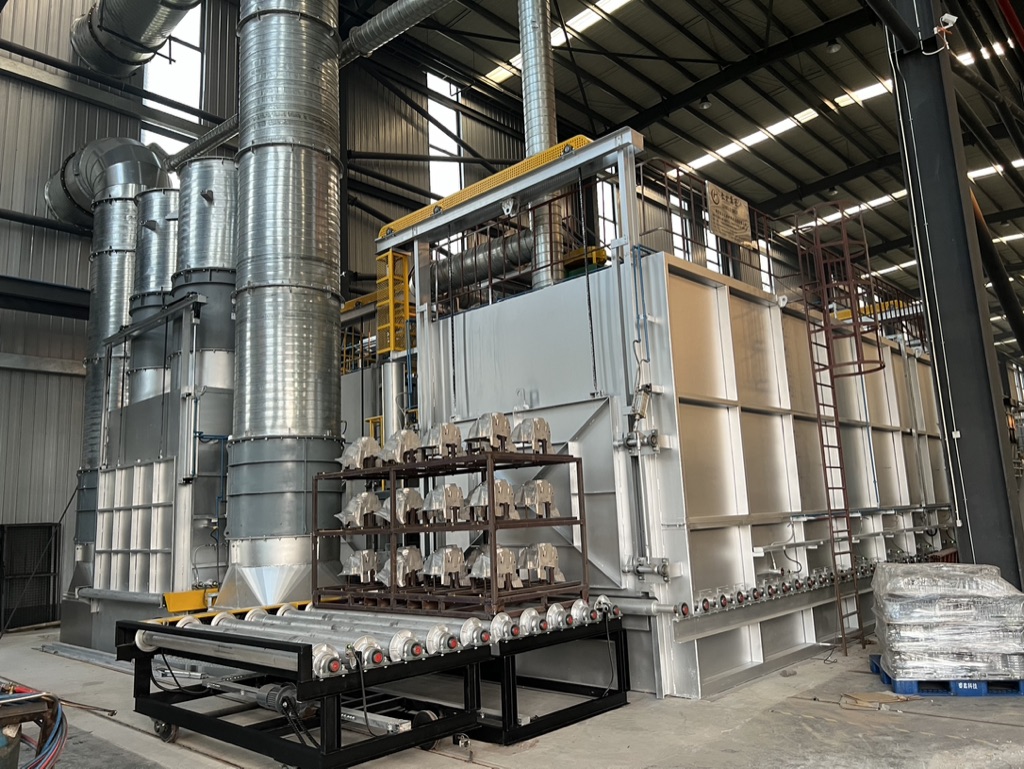 Southeast Asia 6063 Aluminum Billet Market Price System Accelerates Segmentation【SMM Analysis】
With the continued expansion of aluminum processing and downstream industries in Southeast Asia, regional aluminum billet production, consumption and trade markets have attracted growing attention. Malaysia, Thailand and Vietnam are not only important aluminum billet production and consumption hubs in Southeast Asia, but also play a key role in regional aluminum billet trade flows. Markets such as Indonesia, the Philippines and Cambodia, meanwhile, are still at a stage where local processing capacity development and demand for imported aluminum billet are growing simultaneously. Since March 2026, the escalation of geopolitical conflicts in the Middle East has caused significant disruption to the global aluminum supply chain. On the one hand, uncertainty over the supply of primary aluminum and aluminum processed products from the Middle East has increased, pushing up procurement interest in primary aluminum, aluminum billet and secondary aluminum resources across Asian markets outside China. On the other hand, fluctuations in crude oil prices and ocean freight costs have further lifted regional aluminum processing and trading costs. Against this backdrop, LME aluminum prices, Asian regional premiums and Southeast Asian local aluminum billet processing fees have all fluctuated to varying degrees. At the same time, changes in the SHFE/LME price ratio have periodically affected the export arbitrage window for Chinese aluminum processed products. When overseas aluminum prices are stronger than domestic prices and export margins improve, Chinese aluminum processed products and some processing-trade resources show greater willingness to flow into the Southeast Asian market, creating certain disruptions to local billet supply-demand dynamics and quotations. When the price spread narrows, however, regional pricing returns to a framework driven jointly by local supply, imports from the Middle East and other overseas resources. Trade Flows From the perspective of export destinations, the flow of Southeast Asian products under HS760120 is relatively concentrated. In 2025, the top ten export destinations for Southeast Asian HS760120 products totaled around 1.2695 million mt, accounting for approximately 93.3% of total Southeast Asian exports. China was the largest destination, with full-year exports of around 602,100 mt, accounting for approximately 44.3%. Japan, Vietnam and India followed, with around 149,300 mt, 143,500 mt and 111,700 mt respectively, accounting for approximately 11.0%, 10.5% and 8.2%. It should be noted that HS760120 includes primary aluminum alloy ingots, secondary aluminum alloy ingots, other aluminum alloy billets and some cast aluminum alloy products. Therefore, this data mainly serves as a reference for observing trade flows of unwrought aluminum alloys and aluminum alloy billets in Southeast Asia, and cannot be directly equated with 6063 aluminum billet export volumes. Entering 2026, affected by the escalation of the Middle East conflict, uncertainty in the global supply chain for primary aluminum and aluminum processed products increased, and trade flows of aluminum raw materials and aluminum billets in Asia saw certain adjustments. Data shows that total Southeast Asian HS760120 exports fell to around 88,800 mt in February 2026, before rebounding to around 110,700 mt in March and further increasing to around 116,600 mt in April. From February to April, cumulative growth reached approximately 31.2%. In terms of destination changes, China remained the largest export destination, although exports to China declined in April compared with March. India, South Korea, Taiwan, China and Japan showed more obvious increases from March to April. Among them, exports to India rose from around 8,200 mt in February to around 15,700 mt in April; exports to South Korea increased from around 2,400 mt in February to around 10,000 mt in April; exports to Taiwan, China climbed from around 1,500 mt in February to around 4,100 mt in April; while exports to Japan recovered to around 13,700 mt in April. Overall, the rebound in Southeast Asian HS760120 exports from February to April 2026 reflected, on the one hand, the gradual recovery of regional trade after the Chinese New Year holiday. On the other hand, it may also have been related to Asian buyers increasing procurement of Southeast Asian regional resources and supplementing alternative supply sources after the Middle East conflict raised supply risks for overseas primary aluminum, aluminum billet and secondary aluminum. Considering that China, India, Japan, South Korea and Taiwan, China are all important aluminum processing and consumption markets in Asia, the increase in Southeast Asian product flows to these markets indicates that regional unwrought aluminum alloys and aluminum alloy billets have played a certain supplementary and balancing role in trade during periods of supply chain disruption. For the 6063 aluminum billet market, this trend cannot be directly equated with changes in 6063 aluminum billet exports, but it can serve as an important reference for assessing the circulation activity of aluminum billets and aluminum alloy raw materials in Southeast Asia, regional substitution demand and fluctuations in processing fees. Market and Price Analysis With the continued expansion of aluminum processing and downstream enterprises in Southeast Asia, the situation of 6063 aluminum billet differs across countries due to variations in processing levels and downstream demand. Overall, Malaysia and Thailand are the main aluminum billet producing countries in the region and also have certain local consumption capacity. Vietnam’s aluminum processing capacity is growing rapidly, but some local quotations are still mainly for non-homogenized cast billets. Markets such as Cambodia and the Philippines remain at a stage where local processing capacity development coexists with demand for imported aluminum billet. In terms of homogenization status, mainstream 6063 aluminum billet quotations in Malaysia and Thailand usually already include homogenization treatment, and the relevant homogenization cost is mostly included in the aluminum billet processing fee quoted by producers. A small number of non-homogenized 6063 aluminum billet quotations also exist in the Thai market, which can be used to observe the basic processing cost of cast billets. The situation in Vietnam is different. As some enterprises mainly quote non-homogenized cast billets, the apparent processing fee for 6063 aluminum billet is usually around $50-100/mt lower than homogenized quotations in Malaysia and Thailand. Aluminum billet homogenization is an important heat-treatment process in the production of 6063 aluminum billet. It usually refers to placing cast aluminum billets into a homogenizing furnace for heating, holding and cooling treatment, so that the internal composition distribution of the billet becomes more uniform and microstructural segregation formed during casting is improved. For 6063 aluminum billet, homogenization helps improve stability in the subsequent extrusion process, reduce extrusion cracking, surface defects and performance fluctuations, and improve the surface quality and yield of extruded profiles. Therefore, in the aluminum extrusion value chain, homogenized aluminum billet generally has higher use value than non-homogenized cast billet. According to SMM market research, since March 2026, under the influence of factors such as the escalation of Middle East geopolitical conflicts, tighter supply of overseas primary aluminum and aluminum billet resources, and fluctuations in energy and ocean freight costs, 6063 aluminum billet processing fees in major Southeast Asian countries rose to varying degrees. Among them, processing fees for homogenized 6063 aluminum billet in Malaysia and Thailand once increased from the previous $200-250/mt to $250-300/mt, with some high-end quotations even exceeding $300/mt during the peak period. As the Middle East situation eased periodically in mid-June, 6063 aluminum billet processing fees in Malaysia and Thailand declined. At present, mainstream 6063 aluminum billet processing fees in Malaysia have stabilized around $250/mt, and mainstream processing fees for homogenized aluminum billet in Thailand have also stabilized around $250/mt. However, due to differences in raw material structure, product status and quotation basis among enterprises, processing fees still show a wide range. In Thailand, some 6063 aluminum billet processing fees have fallen to as low as around $100-150/mt. In Vietnam, from March to June, 6063 aluminum billet processing fees rose from the previous $150-200/mt to $200-250/mt, before falling back to around $200/mt in mid-June. In addition, from the perspective of the imported aluminum billet arrival market, from May to June, SMM learned that CIF Thailand and Malaysia 6063 aluminum billet premiums/discounts were mostly around a premium of $100/mt, while some low-priced resources even fell to a discount of around $100/mt. These resources were mainly 6063 aluminum billets processed in China under processing trade and then re-exported to the Southeast Asian market. Amid cost advantages and an increase in cargo inflows at certain stages, these resources exerted some impact on the local aluminum billet market in Southeast Asia. From March to April, affected by Middle East geopolitical conflicts, uncertainty over some Middle Eastern aluminum supply increased. Asian buyers in India, Japan, South Korea and Taiwan, China showed higher interest in Southeast Asian aluminum billets and related aluminum alloy resources, driving some Southeast Asian aluminum billet resources to flow out of the region and supporting stronger regional quotations. However, entering May and June, as Chinese aluminum billets flowed into markets such as Thailand and Malaysia through processing trade and re-export channels, competition pressure faced by local Southeast Asian aluminum billet plants increased. SMM research shows that sales pressure for some 6063 aluminum billet producers in Malaysia and Thailand has increased compared with earlier levels, and low-priced imported arrival resources have put certain downward pressure on local ex-works processing fees and the transaction price center. Outlook for Southeast Asian Aluminum Processing Looking ahead, the Southeast Asian 6063 aluminum billet market will continue to evolve around regional processing capacity expansion, import substitution, changes in raw material structure and overseas low-carbon requirements. In the short term, Malaysia, Thailand and Vietnam will remain the core markets for 6063 aluminum billet production and consumption in Southeast Asia. Malaysia and Thailand have relatively mature local billet casting and homogenization capacity, and their pricing systems are closer to a quotation logic based on “LME + regional premium + homogenized processing fee.” Vietnam, meanwhile, still has room for growth in aluminum billet demand as aluminum extrusion and downstream processing capacity improves, but the quotation basis for homogenized and non-homogenized products still needs to be further differentiated. Although local sample coverage in markets such as Indonesia, the Philippines and Cambodia remains limited at present, with the advancement of local aluminum processing projects, future demand for imported aluminum billet, secondary aluminum billet and intra-regional trade flows will remain worth monitoring. In the medium to long term, CBAM and overseas customers’ low-carbon procurement requirements may further drive segmentation in the price system of the Southeast Asian aluminum value chain. For the Southeast Asian aluminum billet market, the impact of CBAM may not necessarily be directly reflected through large-scale exports of aluminum billet itself to Europe, but may instead be transmitted through the export value chain of aluminum profiles, window and door profiles, industrial profiles and other deep-processed products. In the future, when European customers procure aluminum processed products from Southeast Asia, they may pay greater attention to raw material sources, the ratio of primary aluminum, in-house new scrap and aluminum scrap, carbon emission data during production, supply chain traceability and third-party verification capability. Against this backdrop, enterprises with stable homogenization capacity, clear raw material structures, the ability to provide emissions data and low-carbon material options may gain stronger advantages in securing export orders and price negotiations. From the perspective of the price system, CBAM may not immediately drive a one-sided increase in Southeast Asian 6063 aluminum billet processing fees, but it will raise market requirements for differentiating “product status” and “raw material attributes.” In the future, price spreads between liquid aluminum direct-cast billets, remelted aluminum ingot billets and remelted aluminum scrap billets, price spreads between homogenized and non-homogenized aluminum billets, and differences between CIF imported aluminum billet premiums and local ex-works processing fees are all expected to become key areas of market attention. As the aluminum processing industry in Southeast Asia continues to expand, the 6063 aluminum billet market may gradually develop from relatively broad trade quotations in the past toward a more segmented price system differentiated by country, alloy grade, homogenization status, raw material attribute and trade term. SMM Price Points Against the backdrop of regional processing expansion and low-carbon trends, Southeast Asian 6063 aluminum billet processing fees have gradually become one of the key price indicators followed by the market. To help enterprises better track price changes in the Southeast Asian 6063 aluminum billet market, SMM, after market research and improvement of its pricing methodology, will add a series of Southeast Asian 6063 aluminum billet processing fee, calculated reference price and CIF premium/discount price points starting from 3rd July 2026 (Friday) onward for market reference. The Southeast Asian 6063 Aluminum Billet Premium price points will be updated on a weekly basis every Friday at 12:00 noon Kuala Lumpur time, Malaysia, which is the same as Beijing time, GMT+8. Due to differences in settlement methods among enterprises, the full aluminum billet price may vary. For reference, it can be estimated using the following formula: 【LME Official Cash Settlement Price + Quarterly MJP + 6063 Aluminum Billet Processing Fee】. Details of the relevant price points are as follows: Cambodia 6063 Aluminum Billet (Homogenized) Premium, ex-works Cambodia, USD/tonne Malaysia 6063 Aluminum Billet (Homogenized) Premium, ex-works Malaysia, USD/tonne Thailand 6063 Aluminum Billet (Homogenized) Premium, ex-works Thailand, USD/tonne Thailand 6063 Aluminum Billet (Non-homogenized) Premium, ex-works Thailand, USD/tonne Vietnam 6063 Aluminum Billet (Non-homogenized) Premium, ex-works Vietnam, USD/tonne The SMM Southeast Asian 6063 Aluminum Billet price points will be updated on a daily basis every working day at 12:00 noon Kuala Lumpur time, Malaysia, which is the same as Beijing time, GMT+8. The SMM calculated reference price will be derived using the formula: 【LME Official Cash Settlement Price (D-1) + Quarterly MJP + Latest 6063 Aluminum Billet Processing Fee】. Based on this, SMM will publish low-end, high-end and average calculated reference prices. Details of the relevant price points are as follows: SMM Cambodia 6063 Aluminum Billet (Homogenized), ex-works Cambodia, USD/tonne SMM Malaysia 6063 Aluminum Billet (Homogenized), ex-works Malaysia, USD/tonne SMM Thailand 6063 Aluminum Billet (Homogenized), ex-works Thailand, USD/tonne SMM Thailand 6063 Aluminum Billet (Non-homogenized), ex-works Thailand, USD/tonne SMM Vietnam 6063 Aluminum Billet (Non-homogenized), ex-works Vietnam, USD/tonne At the same time, to provide a reference comparison for the Southeast Asian 6063 aluminum billet processing and trading market, SMM will also launch CIF Southeast Asia 6063 Aluminum Billet Premium price points for market reference. The CIF Southeast Asia 6063 aluminum billet premium/discount price points will be updated on a weekly basis every Friday at 12:00 noon Kuala Lumpur time, Malaysia, which is the same as Beijing time, GMT+8. Due to differences in settlement methods among enterprises, the full imported aluminum billet price may vary. For reference, it can be settled using the following formula: 【LME Official Cash Settlement Price + Quarterly MJP + 6063 Aluminum Billet Premium/Discount】. Details of the relevant price points are as follows: CIF Thailand 6063 Aluminum Billet (Non-homogenized) Premium Summary Overall, the Southeast Asian 6063 aluminum billet market is currently at a stage where regional processing capacity expansion, trade flow adjustments and price system segmentation are taking place simultaneously. In the short term, Middle East geopolitical conflicts, changes in overseas primary aluminum and aluminum billet supply, and fluctuations in energy and ocean freight costs will continue to affect Southeast Asian aluminum billet processing fees and import premiums/discounts. At the same time, changes in the SHFE/LME price ratio will also continue to periodically affect the willingness of Chinese aluminum processed products and related aluminum billet resources to flow into the Southeast Asian market. From the perspective of market structure, Malaysia, Thailand and Vietnam remain the core markets for 6063 aluminum billet production, consumption and trade circulation in Southeast Asia. Among them, Malaysia and Thailand have relatively mature pricing systems for homogenized aluminum billet, while Vietnam still requires separate differentiation in price basis due to the relatively high share of non-homogenized cast billet quotations. Going forward, as local processing capacity develops in markets such as Indonesia, the Philippines and Cambodia, changes in regional imported aluminum billet, secondary aluminum billet and local processing fees will also become areas worth continuous tracking. In the medium to long term, CBAM and overseas low-carbon procurement requirements will further increase the importance attached by the Southeast Asian aluminum processing value chain to raw material structure, homogenization capability, carbon emission data and supply chain traceability. Although CBAM may not necessarily drive an immediate one-sided increase in 6063 aluminum billet processing fees, it will prompt the market to more clearly distinguish between different product bases, including liquid aluminum direct-cast billets, remelted aluminum ingot billets, remelted aluminum scrap billets, as well as homogenized and non-homogenized products. Against this backdrop, the launch of SMM Southeast Asia 6063 aluminum billet processing fee, calculated reference price and CIF premium/discount price points will help the market more clearly track changes in regional aluminum billet costs, import substitution space, trade flow adjustments and price differentiation trends under the low-carbon transition.
Jun 26, 2026 14:36