

483kết quả được tìm thấy cho 'Market'
Giá
Tin tức
- Phiên đêm thiếc SHFE 2609 tăng 2,15% lên 426.800, tích lũy ở vùng cao với biến động gia tăng trên 420.000 [Báo cáo sáng thiếc SMM]
[SMM Bản tin sáng thiếc: Phiên đêm thiếc SHFE 2609 tăng 2,15% lên 426.800, biến động gia tăng trong giai đoạn tích lũy ở mức cao trên 420.000]
Jul 31, 2026 08:41 - Nhôm SHFE tăng vọt từ mức thấp để lấy lại đường MA ngắn hạn; Alumina lao dốc mạnh dưới áp lực toàn bộ MA [SMM Điểm tin Nhôm]
SMM,ngày30tháng7:Hômnay,hợpđồngnhômSHFEkỳhạntháng9/2026đóngcửaởmức23.625nhândântệ/tấn,tăng240nhândântệ,tươngđương1,03%.Khốilượnggiaodịchđạt209.579lô,lượnghợpđồngmởlà250.601lô,giảm3.175lôsovớiphiêntrước.Dòngvốnrõràngrútra,phemuavàphebánđềugiảmvịthếđểchốtlời.Giágiữtrêncácđườngtrungbìnhđộng5ngày,10ngàyvà30ngàynhưngvẫndướiđường60ngày.Áplựcgiảmgiángắnhạnđãgiảmđángkểkhigiátiếptụcphụchồitừmứcthấpsauđợtgiảmmạnhtrướcđó.Hômnaygiátăngvọtvàđóngcửacaohơnrõrệt,phemuathểhiệnlựcmuahỗtrợcảithiệnởcácmứcthấphơn.Đườngtrungbìnhđộng5ngàyvà10ngàyđãhướnglên,trongkhiđường30ngàyvà60ngàyvẫntrongxuhướnggiảm,chothấyxuhướnggiảmtrunghạnvẫncònnguyên.Đường60ngàyphíatrêntạothànhkhángcựmạnhtrungvàdàihạn,giớihạnkhônggiantăngcủađợtphụchồi,trongkhicácđườngtrungbìnhngắnhạnbêndướicungcấphỗtrợvữngchắctừphầndưới.ĐườngDIFvàDEAnằmdướitrụczero,nhưngkhoảngcáchtiếptụcthuhẹp,chothấyđộnglượnggiảmgiảmđángkểvàđộnglượngphụchồitừđáymạnhlên—áplựcgiảmchungđãgiảmrõrệt.BìnhluậnSMM:PhíbảohiểmrủirođịachínhtrịdaidẳngtạiTrungĐông,cùngvớiviệctồnkhonhômtrongnướctiếptụcgiảm,đãcùnghỗtrợgiánhôm.Tuynhiên,cáctrởngạivẫncòn—nănglựcsảnxuấtnhômkỳhạnởnướcngoàitiếptụcđượcbổsung,nhucầusửdụngcuốicùngtrongnướcyếu,kỳvọngtănglãisuấtcủaCụcDựtrữLiênbangMỹliêntụcxuấthiệntrởlại,vànhữngbấtổnxungquanhtìnhhìnhđịachínhtrịTrungĐônglàmtăngbiếnđộng.Dođó,khônggiantăngcủagiánhômđốimặtvớiáplựcrõràng,vàgiádựkiếnsẽduytrìxuhướngdaođộngtrongngắnhạn.Hômnay,hợpđồngaluminkỳhạntháng9/2026đóngcửaởmức2.648nhândântệ/tấn,giảm36nhândântệ,tươngđương1,34%.Khốilượnggiaodịchđạt381.349lô,lượnghợpđồngmởlà248.892lô,giảm6.152lôsovớithángtrước,phảnánhcácquỹgiảmvịthếvàrờikhỏi.Giáđóngcửadướicácđườngtrungbìnhđộng5ngày,10ngày,30ngàyvà60ngày,vớicácđườngtrungbìnhngắnhơntạoáplựcgiảmtừtrênxuốngdưới.Bênbánngắnhạntiếptụcgâyáplực,khiếngiágiảmmạnhđểkiểmtracácmứcthấpmới,trongkhilựcmuahỗtrợởvùngđáyvẫnyếu.Cácđườngtrungbìnhđộngtrungvàdàihạnđềuchuyểntừhỗtrợsangkhángcự,vàxuhướngtrượtgiảmtrunghạnchưathayđổi.Bấtkỳgiaiđoạnphụchồinàocũngsẽchịuáplựckhángcựphânlớptừcácđườngtrungbìnhđộngnày.SMMBìnhluận:Vềphíacung,sảnlượnghàngtuầnvềcơbảnkhôngđổisovớituầntrướcvàhoạtđộngsảnxuấtổnđịnh.Tuynhiên,tìnhtrạngdưcungvẫnkhôngthayđổivàtiếptụcgâyáplựclêngiá.Vềmặttồnkho,tổngtồnkhoaluminatoànquốctăng24.000tấnsovớituầntrướclên7,028triệutấn,kéodàixuhướngtíchtrữ.TạicácthịtrườngbênngoàiTrungQuốc,cácxungđộtđịachínhtrịtrướcđóđãmangđếnmộtlượnglớnhànggiárẻvàoTrungQuốc,làmcạnkiệthànglưuthôngởnướcngoài.Gầnđây,tìnhhìnhhànggiaongayởnướcngoàithắtchặtdonhucầutáidựtrữtậptrungtừviệcchuẩnbịchocáccôngsuấtmớiởIndonesiavàviệckhôiphụcsảnxuấtcũngnhưbổsungtồnkhoởTrungĐông,đẩygiáaluminabênngoàiTrungQuốctăngđángkể.Nhìnvềphíatrước,TrungQuốcthiếucácchấtxúctáctíchcựcvĩmô,vàtìnhtrạngdưcungtiếptụcgâysứcéplêngiá.Giángắnhạndựkiếnsẽvẫnảmđạm.Hơnnữa,vớikỳvọnggiatăngsảnlượngtạiQuảngTây,tồnkhocóthểsẽtiếptụctíchlũythêmtrongtuầntới.[Thôngtincungcấpchỉmangtínhthamkhảo.Bàiviếtnàykhôngcấuthànhkhuyếnnghịtrựctiếpchocácquyếtđịnhnghiêncứuđầutư.Kháchhàngnênđưaraquyếtđịnhmộtcáchthậntrọngvàkhôngsửdụngthôngtinnàythaythếchophánđoánđộclậpcủamình.MọiquyếtđịnhdokháchhàngđưarakhôngliênquanđếnShanghaiMetalsMarket.]
Jul 30, 2026 15:20 - Công ty TNHH Thiết bị Bảo vệ Môi trường An Huy Thiên Thuận trân trọng kính mời quý vị tham dự Hội nghị Thượng đỉnh Ngành Công nghiệp Silic SMM lần thứ 15 năm 2026.
Trongbốicảnhtoàncầutáicấutrúccung-cầu,hạnchếcủamụctiêuképcarbonvànhucầuhạnguồnđadạng,ngànhcôngnghiệpsiliconkimloạicủaTrungQuốcđãbướcvàogiaiđoạnchuyểnđổiquantrọngđểnângcaochấtlượngvàhiệuquả.Khinăm2026đượcxemlànămbảnlềkếtnốiquyhoạchgiữaquákhứvàtươnglai,ngànhnàyđangrấtcầnmộtnềntảnguytínđểphântíchxuhướngthịtrườngvàkếtnốinguồnlực.Gắnbósâusắcvớichuỗingànhcôngnghiệpsilicon,SMM(ShanghaiMetalsMarket)trântrọnggiớithiệu,dựkiếndiễnratừngày27đến28tháng8.Hộinghịthượngđỉnhsẽxâydựngmộtnềntảngtraođổicaocấptậptrungvàonhữngđiểmđaucốtlõicủatoànbộchuỗingành,hợptáccùngcácchuyêngiatrongngànhvàcácdoanhnghiệphàngđầuđểvượtquacạnhtranhkhốcliệtvàthúcđẩysựpháttriểnổnđịnh,lâudàicủangành.,vớivaitròlàdoanhnghiệphỗtrợ,trântrọngmờibạnhộitụtạiTâyAnvàongày27-28tháng8chosựkiệnngànhnày.Nhấpngayvàchungtaycùngcácđồngnghiệptrongngànhđểchứngkiếnsựpháttriểnchấtlượngcaocủangànhcôngnghiệpsilicon!CôngtyTNHHThiếtbịBảovệMôitrườngAnHuyTianshunđượcthànhlậpvàotháng5năm2007vàtọalạctạiKhuNamcủaKhuPháttriểnKinhtếHàmSơn,tỉnhAnHuy.Đâylàdoanhnghiệpcôngnghệcaocấpquốcgiachuyênthiếtkế,sảnxuất,vậnhànhvàcácdịchvụhỗtrợliênquanchothiếtbịbảovệmôitrường.CôngtycócácchứngchỉbaogồmChứngchỉNănglựcThiếtkếKỹthuật(CôngtrìnhMôitrường-PhòngchốngÔnhiễmKhôngkhíhạngB)vàChứngchỉHạngIvềHợpđồngChuyênnghiệpCácDựánBảovệMôitrường.CôngtylàthànhviêncủaHiệphộiCôngnghiệpBảovệMôitrườngTrungQuốc,doanhnghiệpvôđịchcủachươngtrình"Chuyênbiệt,Tinhxảo,ĐặcsắcvàMớilạ"củatỉnhAnHuy,ủyviênbanchấphànhHiệphộiCôngnghiệpBảovệMôitrườngAnHuy,doanhnghiệptrọngđiểmtrongngànhbảovệmôitrườngcủaAnHuy,trungtâmcôngnghệdoanhnghiệpcấptỉnh,trungtâmthiếtkếcôngnghiệpcấptỉnh,trạmnghiêncứusautiếnsĩcấptỉnhvàdoanhnghiệpkiểumẫuthươnghiệu"AnHuytươiđẹp".Năm2021,côngtyđượclựachọnvàodanhsáchcácdoanhnghiệptuânthủ"ĐiềukiệnTiêuchuẩnhóaNgànhSảnxuấtThiếtbịBảovệMôitrường"củaMIIT.Năm2023,côngtyđượcđưavào"DanhmụcCáccôngnghệvàThiếtbịBảovệMôitrườngTrọngđiểmđượcNhànướcKhuyếnkhíchPháttriển"doMIITvàBộSinhtháivàMôitrườngphốihợpcôngbố.Côngtyđãthamgiaxâydựnghaitiêuchuẩnngành–"Quyphạmkỹthuậtthônggióvàlọcbụikhóilòđiệnluyệnthép"và"Túilọcchịunhiệtcao"–cùngmộtsốtiêuchuẩnnhóm.XửlýbụikhóithảiSảnphẩmchínhMáylọcbụitúidàiápsuấtthấpLCDM,hệthốnglọcbụicấpbacholòchuyểnthép,túilọcchânkhônglớncholòferôsilic(lòsilickimloại),vàcácthiếtbịkhửlưuhuỳnh,khửnitơchonhiềungànhcôngnghiệp.CôngtycócácgiảiphápkỹthuậttiêntiếnvàkinhnghiệmthựctiễntrongcáchệthốngxửlýkhóithảiquymôlớncủalòđiệnluyệnthépEAF,xửlýkhóithảilòhồquangchìmferôhợpkim,làmsạchkhílòcao,vàphátthảisiêuthấpkhóisilickimloại.Mụctiêukhôngngừngcủacôngtylàtrởthànhdoanhnghiệphàngđầutrongnướcvềkiểmsoátbụikhíquyển.Tronghơnmộtthậpkỷ,côngtyđãđoànkếtvàtiếnbước,thiếtlậpquanhệhợptácvớinhiềudoanhnghiệpnổitiếngnhưTậpđoànBaowu,TậpđoànGCL,JISCO,TậpđoànThépBaoĐầu,XiongweiGuangda,LongtengSpecialSteel,cóuytíncaotrongngành.GiảipháptiêubiểuHướngtớitươnglai,TianshunEnvironmentalProtectionsẽtiếptụckiêntrìtriếtlýpháttriển"TianshunEnvironmentalProtection,Cùngxâydựnghàihòa."Dướisựdẫndắtcủathịtrường,chúngtôisẽcưỡisóngđạpgiótiếnlên,tậptrunghơnnữavàopháttriểntoànchuỗingànhbảovệmôitrườngvàlọcbụikhóithải.Chúngtôisẽtíchcựckhámphácáclĩnhvựckinhdoanhmới,thúcđẩychuyểnđổikinhdoanhcủacôngty,vàliêntụchoànthiệnbốcụchaimảngchính:máylọcbụitúivàkhửlưuhuỳnhkhửnitơ.Chúngtôihướngtớihiệnthựchóatriểnkhaichiếnlược"vữngvàngnângcaovịthếthịtrườngmáylọcbụitúivàmởrộnglĩnhvựcphátthảisiêuthấptrongkhửlưuhuỳnhkhửnitơ."Vớisựhỗtrợcủaxâydựngdựánchấtlượngcao,thôngquađổimớivàpháttriển,chúngtôisẽthúcđẩycôngtypháttriểnnhanhhơn,caohơn,tốthơn.ThôngtinliênhệLiênhệ:ZhongHua,13625632666ZhangBing,13965678812LiangMing,18855588333Điệnthoại:0555-4718877,4725678,4718766Fax:0555-4718766Trangweb:Email:ahtshb@ahtshb.comĐịachỉ:KhupháttriểnkinhtếHàmSơn(KhuNam),AnHuyQuảnlýhộinghịZhouBoyu13062794772
Jul 30, 2026 13:33 - Đô la Mỹ giảm, dầu thô tăng vọt, kim loại cơ bản đồng loạt tăng, liti cacbonat và thiếc LME tăng hơn 1%, poly-silicon giảm hai ngày liên tiếp [Bản tin giữa trưa SMM]
TintứcSMMngày29/7:Thịtrườngkimloại,tínhđếnkhiđóngcửaphiênsáng,kimloạicơbảntrongnướcdiễnbiếntráichiều.ĐồngSHFEgiảm0,27%,nhômSHFEtăng0,88%.ChìSHFEtăng0,38%.KẽmSHFEgiảm0,28%.ThiếcSHFEtăng0,44%.NikenSHFEgiảm0,3%.Ngoàira,hợpđồngtươnglainhômđúcgiaodịchnhiềunhấttăng0,61%,hợpđồngaluminagiaodịchnhiềunhấttăng0,19%.Hợpđồngcarbonatlithiumgiaodịchnhiềunhấttăng1,91%.Hợpđồngkimloạisilicongiaodịchnhiềunhấtgiảm0,73%.Hợpđồngtươnglaipolysilicongiaodịchnhiềunhấttiếptụcđàgiảmtừphiêntrước,giảmthêm1,16%.Kimloạiđenchủyếugiảm.Quặngsắtgiảm0,61%,thépcâygiảmnhẹ,thépcuộncánnóngtăng0,15%.Thépkhônggỉgiảm0,17%.Thanluyệncốcvàcoke:hợpđồngthanluyệncốcgiaodịchnhiềunhấtgiảm0,12%,hợpđồngcokegiaodịchnhiềunhấttăng0,85%.Ởthịtrườngkimloạicơbảnnướcngoài,tínhđến11:38,kimloạiLMEgầnnhưđồngloạttăng.ĐồngLMEgiảm0,13%,nhômLMEtăng0,19%.ChìLMEtăng0,24%.KẽmLMEnhíchlên,thiếcLMEtăng1,12%.NikenLMEtăng0,65%.Kimloạiquý,tínhđến11:38,vàngCOMEXgiảm0,34%,bạcCOMEXtăng0,31%.Kimloạiquýtrongnước:vàngSHFEgiảm0,8%,bạcSHFE(hợpđồnggiaodịchnhiềunhất)giảm0,83%.Ngoàira,tínhđếnkhiđóngcửaphiênsáng,hợpđồngtươnglaibạchkimgiaodịchnhiềunhấtgiảm0,78%,hợpđồngtươnglaipalladiumgiaodịchnhiềunhấtgiảm0,94%.Tínhđếnkhiđóngcửaphiênsáng,hợpđồngtươnglaicướcvậntảicontainerchâuÂugiaodịchnhiềunhấttăng2,63%,lên2.870điểm.Tínhđến11:38ngày29/7,mộtsốdiễnbiếnthịtrườngkỳhạnphiênsáng:GiaongayvàcơbảnKẽm:Hômnay,giágiaodịchchủđạokẽm#0tậptrungởmức24.685–24.790NDT/tấn,Shuangyangiaodịchchủđạoởmức24.815–24.910NDT/tấn,vàkẽm#1giaodịchchủđạoởmức24.615–24.720NDT/tấn.Đầuphiên,thịtrườngởmứccộng30NDT/tấnsovớigiábìnhquânSMMđốivớihàngcóhóađơnthángsau,vàkhôngcóbáogiásovớihợpđồng……VĩmôTrongnước:[TổnggiátrịlogisticsxãhộicủaTrungQuốctrongnửađầunămvượt180nghìntỷNDT]LiênđoànLogisticsvàMuasắmTrungQuốchômnay(29)côngbốdữliệuvậnhànhlogisticsnửađầunămnay.Trongnửađầunăm,quymônhucầulogisticstiếptụcmởrộng,nổibậtvớitốiưuhóacơcấuvàchuyểndịchđộnglực.Nửađầunămnay,tổnggiátrịlogisticsxãhộicủaTrungQuốcđạt181,1nghìntỷNDT,tăng5,1%sovớicùngkỳ,caohơn0,4điểmphầntrămsovớitốcđộtăngGDPcùngkỳ.Vaitròhỗtrợvàdẫndắtcủanhucầulogisticsđốivớităngtrưởngkinhtếquốcdântiếptụcđượccủngcố.Theoquý,tăngtrưởngđạt6,2%trongquýIvà4,4%trongquýII,chothấyxuhướngchungtăngtrưởngổnđịnhvàcảithiệndần.(CCTVNews)[PhátthảiCO2trênmỗiđơnvịGDPsẽgiảm17%tronggiaiđoạnKếhoạch5nămlầnthứ15]BộSinhtháivàMôitrường,cùng18cơquanbaogồmỦybanCảicáchvàPháttriểnQuốcgia(NDRC),đãphốihợpcôngbốKếhoạch5nămlầnthứ15vềbiếnđổikhíhậucấpquốcgia.TheoKếhoạch,đếnnăm2030,phátthảiCO2trênmỗiđơnvịGDPsẽgiảm17%sovớimứcnăm2025,vàphátthảiCO2trênmỗiđơnvịsảnphẩmcủacácngànhthuộcthịtrườnggiaodịchphátthảicarbonquốcgiasẽgiảmkhoảng3%sovớinăm2025.Mộtthịtrườnggiaodịchgiảmphátthảikhínhàkínhtựnguyệntrêntoànquốc,minhbạchvàđángtincậy,vớiphươngphápluậnthốngnhất,thamgiarộngrãivàphùhợpthônglệquốctếsẽđượcthiếtlập.Hệthốngquảnlýdấuchâncarboncủasảnphẩmsẽcơbảnđượchìnhthành.TăngcườnggiámsátvàkiểmsoátcáckhínhàkínhkhôngphảiCO2,hìnhthànhnănglựcgiảmphátthảiquyđổiCO2(CO2e)ởmức30triệutấn.Hệthốngcôngtácthíchứngvớibiếnđổikhíhậusẽhoànthiệnhơn,đạttiếntriểntheogiaiđoạntrongxâydựngxãhộicókhảnăngchốngchịukhíhậu,vànhậnthứccũngnhưnănglựcứngphóbiếnđổikhíhậusẽtiếptụcđượcnângcao.Ảnhhưởng,nănglựcdẫndắt,nănglựcđịnhhìnhvàsứchấpdẫnđạođứccủaTrungQuốctrongquảntrịkhíhậutoàncầusẽđượctăngcườngđángkể.(theoWallStreetNewsAPP)Hômnay,PBOCthựchiện206,5tỷNDTnghiệpvụrepođảongượckỳhạn7ngàyvớilãisuất1,40%.Cùngngày,253tỷNDTrepođảongượcđáohạn.PBOCcũngthựchiện600tỷNDTrepođảongượcquađêm.ĐồngUSD:Tínhđến11:38,chỉsốUSDgiảm0,11xuống101,3.SựchúýcủathịtrườngquaylạiEobiểnHormuz,khirủirogiánđoạnnguồncungnănglượnglàmphứctạptriểnvọnglạmphát,trùngvớithờiđiểmFedsẽraquyếtđịnhlãisuấtvàothứTưtuầnnày,cànglàmgiatăngbấtđịnh.Thịtrườnghiệnđịnhgiákhoảng70%khảnăngFedsẽgiữnguyênlãisuấtvàothứTư,vớibiênđộmụctiêuhiệntạilà3,5%đến3,75%.CácnhàphântíchJPMorganchorằngxácsuấttănglãisuất“cóthểthấphơnkhoảng30%màthịtrườngđangđịnhgiá”,vớilýdo“dùlạmphátđangcao,nhưngkhôngcórủirotăngvọtthêm”.Ngânhàngđánhgiá50%khảnăng“giữnguyêntheohướngdiềuhâu”,chorằngFedsẽduytrìcảnhgiácđồngthờighinhậntínhiệulạmpháthạnhiệttừdiễnbiếngiánănglượnggầnđây.(theoWallStreetNewsAPP)NhómMarkets360củaBNPParibaskỳvọngFedsẽgiữnguyênlãisuất,“dùkhôngthểloạitrừhoàntoànkhảnăngtănglãisuấtbấtngờ”.Kịchbảncơsởcủangânhànglàtăngmộtlầnvàotháng12,nhưng“córủirođángkểrằngcácnhàhoạchđịnhchínhsáchsẽlàmmạnhngôntừvềlạmpháttrongtuyênbốFOMC,tươngđươngvớiviệcámchỉrằngtănglãisuấtvàotháng9vẫnnằmtrênbàn”.Cáchdiễnđạtvềổnđịnhgiásẽlàtrọngtâmthảoluậntạicuộchọpnày,trongkhituyênbốsẽphảnánhsựsẵnsànghànhđộngnếucần.Tuynhiên,ngaycảkhikhôngcócáchdiễnđạtnhưvậytrongtuyênbố,vẫnkhôngthểloạitrừkhảnăngtănglãisuấtvàotháng9;ngượclại,nếucó,cũngkhôngnhấtthiếtđảmbảosẽtăngvàotháng9.Tạihọpbáo,Warshđượckỳvọngnhìnchungsẽtheo“kịchbảntháng6”:phátbiểumởđầungắn,trảlờisúctíchvàđịnhhướngtươnglairấthạnchế.Giảđịnhtuyênbốchỉthayđổitươngđốinhỏsovớitháng6,chúngtôichorằngphátbiểumởđầusẽbámsátlờiđiềutrầncủaWarshtrướcQuốchội,vàbìnhluậncủaôngvềdữliệulạmphátvàlaođộng,triểnvọngkinhtế,cũngnhưcamkếtkhôiphụcổnđịnhgiásẽtiếptụcnhấtquánvớilờiđiềutrầnđó.(Jin10DataAPP)GaryPzegeo,GiámđốcĐầutưmảngPrivateWealthUStạiCIBC,chobiếtnhữngphátbiểudiềuhâucủaWarshvềổnđịnhgiá,kếthợpvớimộtloạtdữliệuyếu(CPIvàbảnglươngphinôngnghiệp),cóthểđủđểFedMỹđứngyên.Điềunàyphùhợpvớitâmlýthịtrường.“Hợpđồngtươnglailãisuấtđangchothấykhảnănggiữnguyêntạicuộchọptháng7,”Pzegeonói,“nhưngkỳvọngtănglãisuấtvàotháng9đangtănglên.Trongbốicảnhđịachínhtrịhiệntại,tháng9cònrấtxa,vàFedMỹsẽcóthêmdữliệuđểxửlýtừnayđếnngày16/9.”(Jin10DataAPP)TheoCME“FedWatch”:XácsuấtFedMỹgiữnguyênlãisuấttrongtháng7là69,5%,vàxácsuấttănglãisuấtlũykế25điểmcơbảnlà30,5%.XácsuấtFedMỹgiữnguyênlãisuấtđếnhếttháng9là23,4%,xácsuấttănglũykế25điểmcơbảnlà56,4%,vàxácsuấttănglũykế50điểmcơbảnlà20,2%.(Jin10DataAPP)Dữliệu:DữliệucôngbốhômnaygồmCPItháng6theotháng(chưađiềuchỉnh)củaAustralia,chỉsốtâmlýnhàđầutưZEWtháng7củaThụySĩ,vàsốphêduyệtthếchấptháng6củaAnhtừNgânhàngTrungươngAnh.Ngoàira,SKHynixsẽcôngbốkếtquảkinhdoanhquýII.Dầuthô:Tínhđến11:38,giádầuởcảhaichuẩntăngvọt,WTItăng3,92%vàBrenttăng3,55%.CăngthẳngTrungĐôngbùngpháttrởlạiđãthúcđẩygiádầubậttăngmạnh.TácnhântrựctiếpcủanhịphồinàylàmộttuyênbốdoBộTưlệnhTrungtâmMỹphátđi.RyanMcKay,ChiếnlượcgiaHànghóaCấpcaotạiTDSecurities,chobiết:“ChúngtôivẫnthậntrọngvớibấtkỳthỏathuậntiềmnăngnàokhôngđềcậpcụthểđếnvấnđềEobiểnHormuz,vìbấtđồngvềquyềnkiểmsoáttuyếnđườngthủynàytrướcđâyđãdẫntớicáchànhđộngquyếtliệtcủaIranvàkhiếncácbiênbảnghinhớtrướcđóđổvỡsớm.”(theoWallstreetcnAPP)Tổngquanthịtrườnggiaongay:►►►►►►►►►►►
Jul 29, 2026 14:08 - Nhôm SHFE tăng nhẹ trong đà hồi phục tích lũy; alumina suy yếu do tồn kho tăng, thúc đẩy giảm vị thế và thoát hàng [Bản tin nhôm SMM]
SMMngày28tháng7:HợpđồngnhômSHFE2609đượcgiaodịchnhiềunhấtđóngcửaởmức23.220nhândântệ/tấn,tăng45nhândântệhay0,19%trongngày.Khốilượnggiaodịchđạt194.176lô,sốlượnghợpđồngmởlà251.435lô,tăng268lôtrongngày,chothấycómộtsốvịthếmớiđượcthêmvào.Códấuhiệugiằngconhẹgiữaphemuavàbánkhimởvịthế.GiánằmdướiđườngMA5ngày,nhưngtrênđườngMA10và30ngày,vàdướiđườngMA60ngày.CácđườngMAngắnhạnvẫnhìnhthànhbốcụcgiảmgiá.Sauđợtgiảmmạnhtrướcđó,giáđingangởmứcthấpvàphụchồi;trongngày,giáchạmđáyvàbậttăng,đóngcửatăngnhẹ,vớihỗtrợmuacủaphebòởmứcthấpphầnnàocảithiện.ĐườngMA5và10ngàyquayđầugiảm,trongkhiMA30và60ngàycũngsuyyếu.Xuhướnggiảmtrunghạnvẫnchưathayđổi.ĐườngMA5ngàyởtrênđóngvaitròkhángcựmạnhtrongngắnhạn,khônggianphụchồitiếptụcbịhạnchế,nhưngcómộtsốhỗtrợngắnhạnởmứcthấpbêndưới.CảđườngDIFvàDEAđềunằmdướitrục0,vàđàgiảmchưahoàntoànbiếnmất,dođóáplựcgiảmgiáchungvẫntiếpdiễn.BìnhluậncủaSMM:Tâmlývĩmôgầnđâycảithiệnđôichút.PhầnbùrủirođịachínhtrịtiếpdiễnởTrungĐôngcùngvớiviệctồnkhonhômthỏitrongnướctiếptụcgiảmđãcùnghỗtrợgiánhôm.Tuynhiên,việctiếptụcđưavàohoạtđộngcôngsuấtnhômởnướcngoàitrongtrungvàdàihạn,nhucầutiêudùngcuốicùngtruyềnthốngởTrungQuốcyếu,cùngvớinhữngbấtổnvĩmôtáidiễn,đãgâyáplựcđángkểlênđàtăngcủagiánhôm.Trongngắnhạn,giánhômduytrìmôhìnhđingang.Hợpđồngalumina2609đượcgiaodịchnhiềunhấtđóngcửaởmức2.683nhândântệ/tấn,giảm22nhândântệhay0,81%trongngày.Khốilượnggiaodịchđạt208.664lô,sốlượnghợpđồngmởlà289.929lô,giảm6.655lôsovớingàytrước,vớidòngvốnthoátrađángkểkhivịthếđượcgiảmbớt.GiánằmdướiMA5,10,30và60ngày.Cácđườngtrungbìnhđộngởmọikhungthờigianhìnhthànhsựsắpxếpgiảmgiátừtrênxuốngdưới.Phebánngắnhạntiếptụcgâyáplực,vàgiátrượtdầnxuốnggiữalúcđingang.Hỗtrợmuacủaphebòngắnhạnởmứcthấpyếu.CácđườngMAtrungvàdàihạnđềuchuyểntừhỗtrợthànhkhángcự.Môhìnhtíchlũygiảmdầntrongtrunghạnvẫnkhôngthayđổi.Trongbấtkỳgiaiđoạnhồiphụcnào,giásẽtiếptụcđốimặtvớicácmứckhángcựtừcácđườngMAtrênmọikhungthờigian.BìnhluậncủaSMM:Vềphíacung,sảnlượngtrongtuầnvềcơbảnkhôngđổisovớituầntrước,hoạtđộngổnđịnh,nhưngtìnhtrạngdưcungkhôngthayđổi,tiếptụckìmhãmgiá.Vềtồnkho,tổngtồnkhoaluminatoànquốctăng24nghìntấnsovớituầntrướclên7,028triệutấn,kéodàixuhướngtíchlũy.Tạithịtrườngnướcngoài,doxungđộtđịachínhtrị,hànggiárẻtrướcđóđãchảymạnhvàoTrungQuốc,làmcạnkiệttồnkholưuthôngbênngoàiTrungQuốc.Gầnđây,nhucầudựtrữchocôngsuấtmớiởIndonesiavànhucầubổsungtừviệckhôiphụcsảnxuấtởTrungĐôngđượcgiảiphóngtậptrung,khiếnnguồncunggiaongayởnướcngoàithắtchặtvàđẩygiáaluminabênngoàiTrungQuốctăngđángkể.Nhìnvềphíatrước,TrungQuốcthiếucácchấtxúctácvĩmôtíchcực,vàtìnhtrạngdưcungtiếptụcđènặng.Giángắnhạndựkiếnvẫnảmđạm.Thêmvàođó,QuảngTâydựkiếnsẽtăngsảnlượng,vàtồnkhocókhảnăngtiếptụctăngvàotuầntới.[Thôngtincungcấpchỉmangtínhthamkhảo.Đâykhôngphảilàlờikhuyênđầutưtrựctiếp.Kháchhàngnênđưaraquyếtđịnhthậntrọngvàkhôngdựavàođâyđểthaythếchođánhgiáđộclập.MọiquyếtđịnhcủakháchhàngđềukhôngliênquanđếnShanghaiMetalsMarket(SMM).]
Jul 28, 2026 15:26 - [SMM Stainless Steel Market Flash] Nhà máy đóng tàu Wuhu cắt thép tàu chở hóa chất duplex 38.000 DWT thứ năm cho Stolt
Nhà máy đóng tàu Wuhu (Trung Quốc) đã tổ chức lễ cắt thép vào ngày 21/7 cho tàu chở hóa chất bằng thép không gỉ trọng tải 38.000 tấn thứ năm trong loạt tàu đóng cho Stolt Tankers – đơn vị vận hành đội tàu chở hóa chất lớn nhất thế giới. Đơn hàng ký vào tháng 11/2023 bao gồm 6+6 tàu chở hóa chất và sản phẩm dầu bằng thép không gỉ, với lô đầu tiên dự kiến giao trong giai đoạn 2026-2028; công đoạn đóng tàu đầu tiên bắt đầu từ tháng 7/2025. Mỗi tàu có 30 két hàng làm bằng thép không gỉ song pha 2205, do FKAB (Thụy Điển) thiết kế, đăng kiểm Lloyd's Register và treo cờ Liberia, với chiều dài 184,9 m, rộng 32,2 m và chiều cao mạn 16 m. Chumber — chỉnh sửa bên dưới.
Jul 28, 2026 09:18
Thông báo
SMM dự định bổ sung điểm giá SMM FOB Middle East Sulfur bắt đầu từ ngày 7 tháng 8 năm 2026 (Thứ Sáu).
GiáJul 29, 2026 09:43Thượng Hải, ngày 23 tháng 7 – Kể từ khi gia nhập Hiệp hội Lithium Quốc tế (ILiA) vào tháng 11 năm 2022, Shanghai Metals Market (SMM) đã duy trì tư cách thành viên trong bốn năm liên tiếp, phục vụ như một dài hạn
Jul 23, 2026 10:14Phí bảo hiểm đồng lá HVLP1 SMM, giao đến Consumer Works, đã bao gồm VAT, CNY/tấn sẽ chính thức ra mắt trên trang web SMM (smm.cn) vào ngày 31 tháng 7 năm 2026.
GiáJul 17, 2026 16:56
Sự kiện
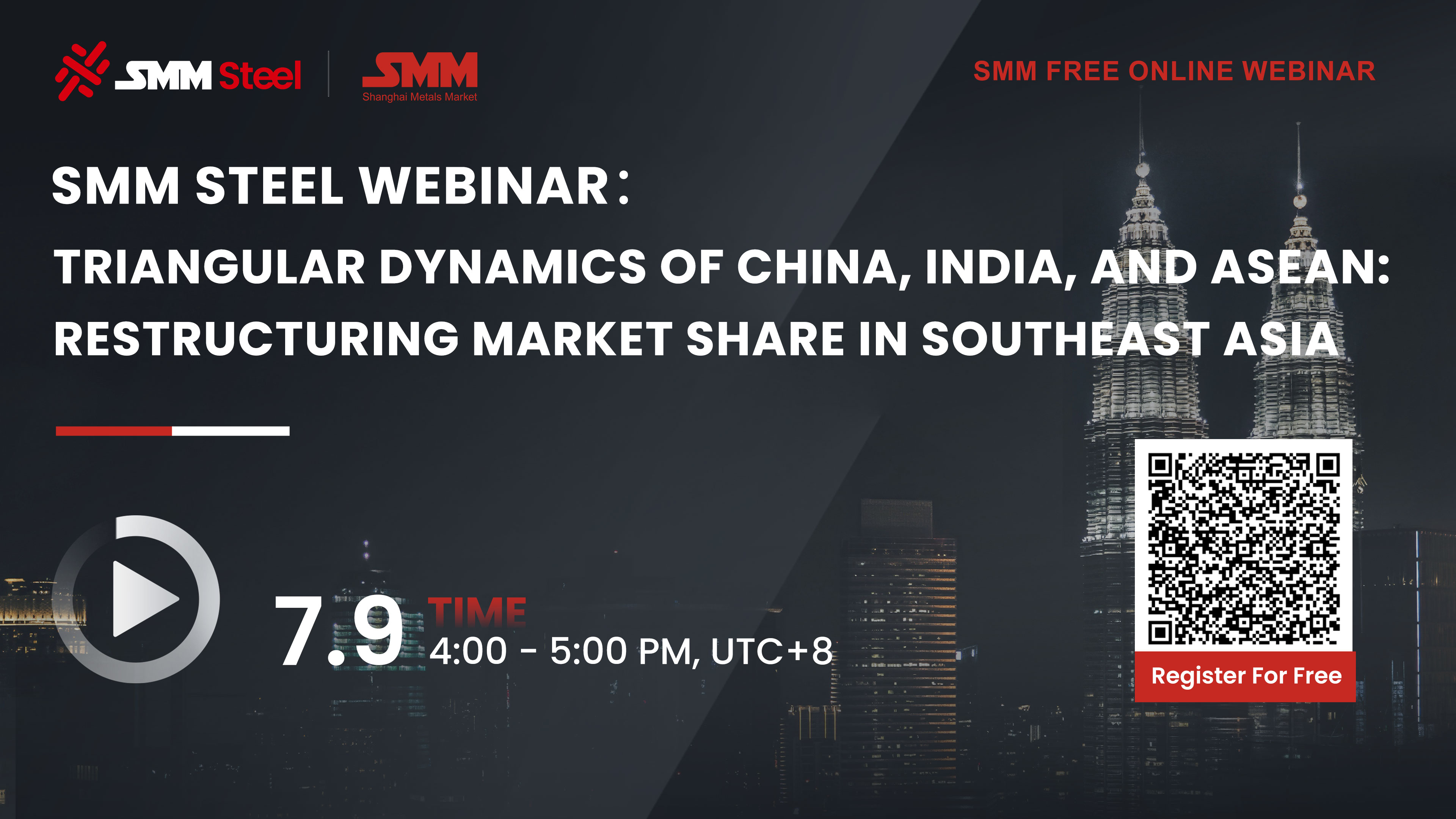 Hội thảo trên webJul 9, 16:00 - Jul 7, 23:59 (GMT+8)
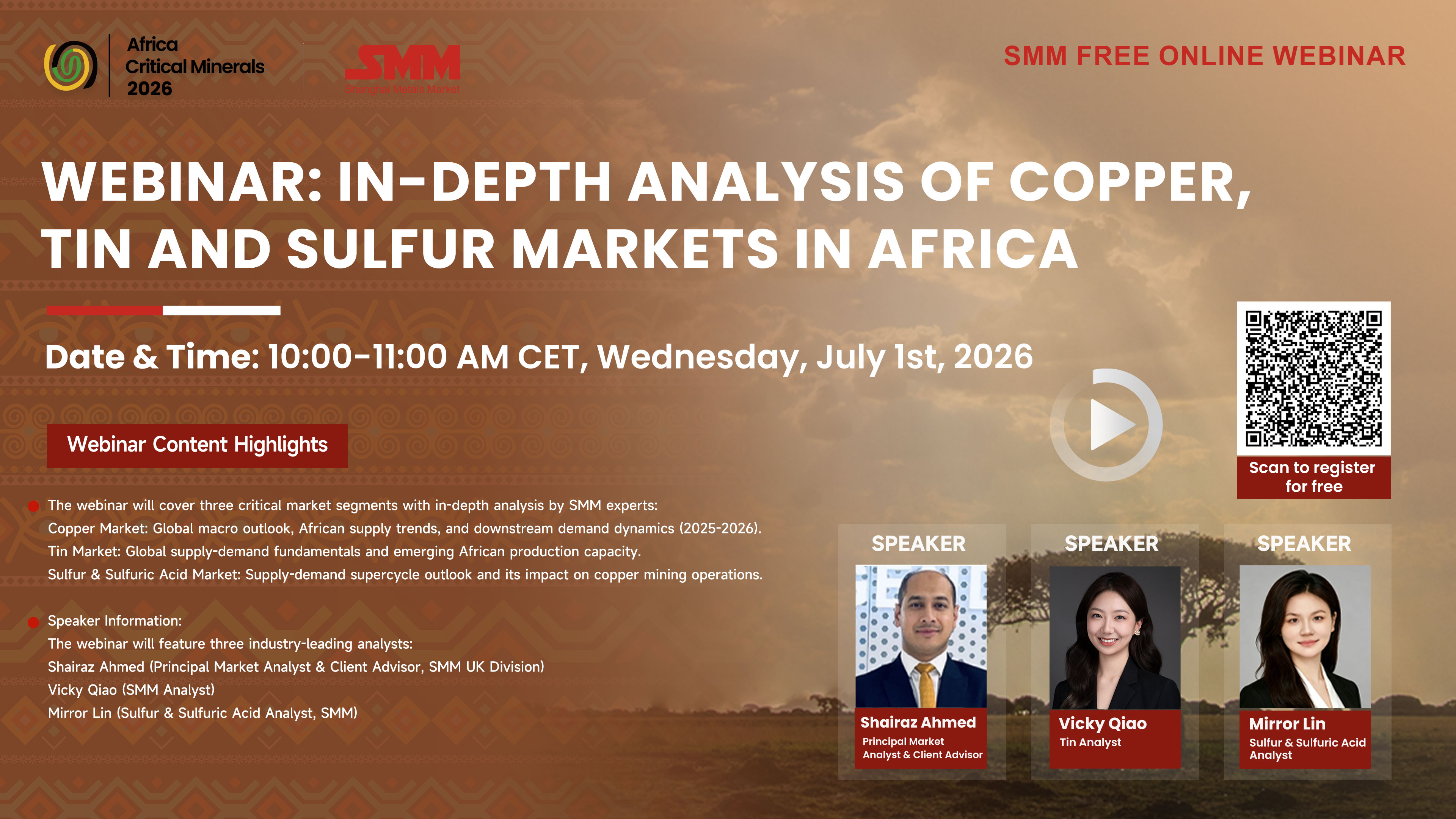 Hội thảo trên webJul 1, 16:00 - 23:59 (GMT+8)
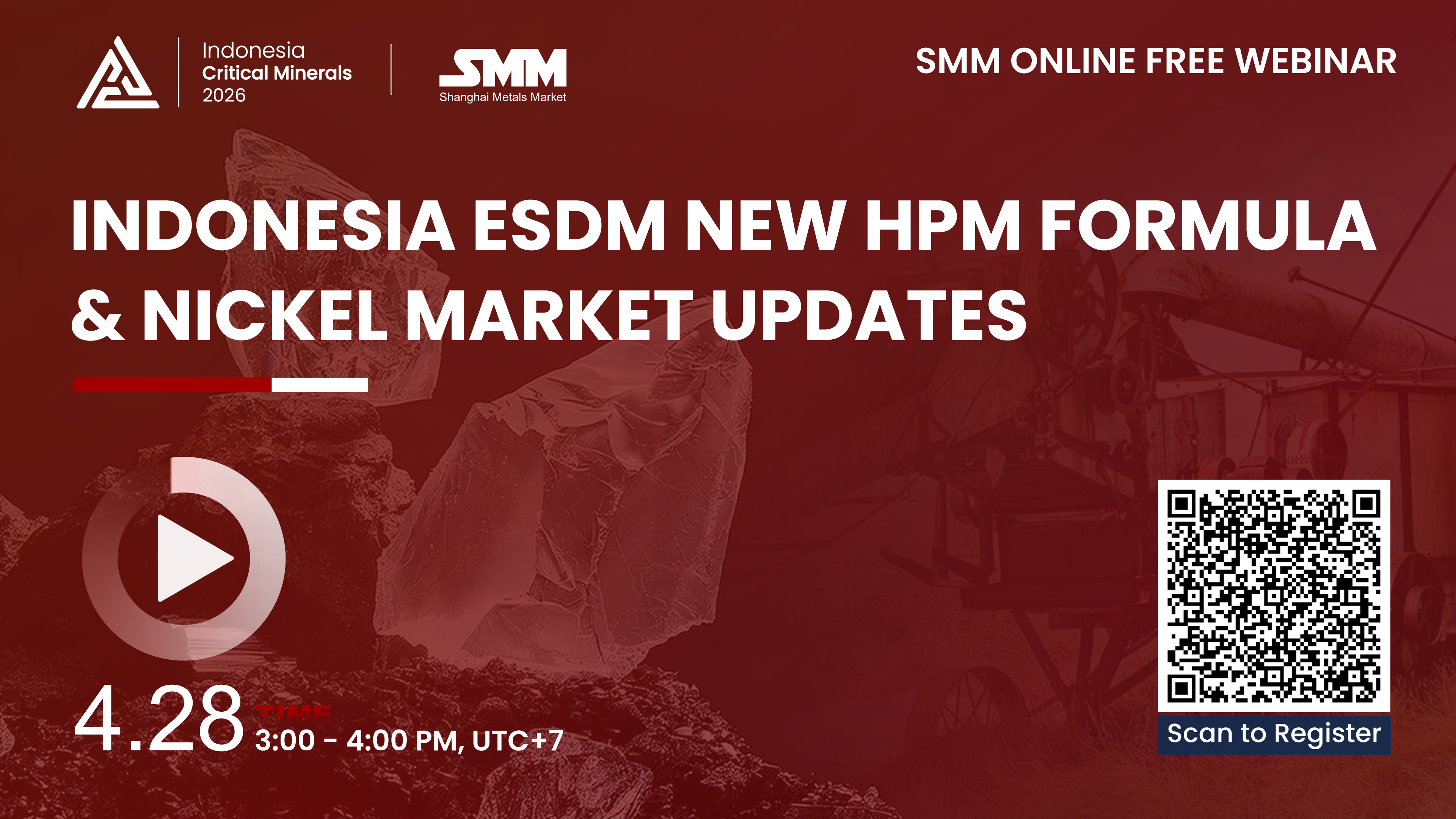 Hội thảo trên webApr 28, 16:00 - 23:59 (GMT+8)