

3660results found for 'March'
Price
News
- Xingye Silver & Tin: Yinman Mining has suspended both its mining system and beneficiation tailings system
Xingye Silver&Tin released a progress announcement on July 31 regarding a safety incident at a subsidiary, showing that: On July 30, 2026, Yinman Mining received the On-site Treatment Measures Decision Letter (No. 260 [West] Emergency Decision [2026]) issued by the Xiwu Banner Emergency Management Bureau, requiring the synchronous suspension of Yinman Mining's mineral processing tailings system. As of the disclosure of this announcement, both the mining system and the mineral processing tailings system of Yinman Mining have been suspended. The details of this accident as announced by Xingye Silver&Tin show that: At around 3:30 PM on July 26, 2026, an accident occurred during underground production construction at the mine of the company's wholly-owned subsidiary, Xiwuzhumuqin Banner Yinman Mining Co., Ltd., resulting in 1 fatality and no injuries. After the accident, Yinman Mining, in accordance with the On-site Treatment Measures Decision Letter (No. 257 [West] Emergency Decision [2026]) issued by the Xiwuzhumuqin Banner Emergency Management Bureau, suspended the underground mining area. Regarding the impact on the company's production, operations, and performance: Yinman Mining is primarily engaged in the mining, processing, and sales of non-ferrous metals such as silver, tin, copper, lead, and zinc, with a production capacity of 1.65 million mt/year. In 2025, Yinman Mining recorded operating revenue of RMB3,062.0434 million, accounting for 55.12% of the company's total consolidated operating revenue, and achieved net profit of RMB1,346.2785 million. In Q1 2026, it recorded operating revenue of RMB961.5985 million, representing 45.15% of the total, with net profit of RMB474.7488 million. Currently, the cause of the accident and the reason for the fatality are still under investigation. Yinman Mining will fully cooperate with the accident investigation and subsequent work. Since the duration of the suspension at Yinman Mining cannot be determined at this time, the impact of this production halt on the company's current and full-year performance cannot be accurately estimated for now. The company will, in accordance with relevant regulations, fulfill its information disclosure obligations in a timely manner based on the progress of the accident investigation. Investors are advised to be cautious about investment risks. Performance: Xingye Silver&Tin's 2025 annual report shows that in 2025, the company realized operating revenue of RMB5,555.2536 million, a YoY increase of 30.09%; total profit of RMB2,096.237 million, up 18.75% YoY; and net profit attributable to shareholders of the publicly listed company of RMB1,704.2393 million, rising 11.40% YoY. Xingye Silver&Tin's announcement shows that in 2025, the breakdown of operating revenue from the company's main mineral products as a share of overall operating revenue was as follows: ore-derived silver (RMB2,175.7825 million, 39.17%); ore-derived tin (RMB1,649.6398 million, 29.70%); ore-derived zinc (RMB975.8673 million, 17.57%); ore-derived lead (RMB220.945 million, 3.98%); ore-derived iron (RMB180.3799 million, 3.25%); ore-derived copper (RMB133.0043 million, 2.39%); ore-derived antimony (RMB100.3568 million, 1.81%); ore-derived gold (RMB82.3402 million, 1.48%); and ore-derived bismuth (RMB16.6744 million, 0.30%). Among these, the combined operating revenue from ore-derived tin and ore-derived silver accounted for 68.86%. Regarding the company's main business and key performance drivers, Xingye Silver&Tin stated in its 2025 annual report: The company is a large mining group primarily engaged in the exploration, mining, and processing of non-ferrous metals and precious metals. As of the disclosure date of this report, the company has over 20 subsidiaries, including 8 producing mining companies: Yinman Mining, Qianjinda Mining, Yubang Mining, Rongguan Mining, Xilin Mining, Rongbang Mining, Ruineng Mining, and Bosheng Mining; Atlantic Tin's Achmmach tin mine under AtlasTinSAS is in the construction phase; Tanghe Era Mining is in suspension; Yitong Mining and Yunnan Xigui are in the exploration stage. Hainan Fund is mainly engaged in equity investment management; Xingye Gold (Hong Kong) focuses on metal and mining trade, corporate mergers and acquisitions, and is responsible for expanding markets outside China and acquiring high-quality overseas mineral resources; Hainan Guomao and Tianjin Guomao mainly handle the sales of non-ferrous metal mineral products and the procurement of some raw materials; Xingye Ruijin conducts process research, technology R&D, and upgrading in areas such as exploration, mining and processing, and comprehensive tailings recycling. Tibet Shannan Antimony-Gold, Tibet Xinda Mining, and Xing'an Meng Fuxingtun Mining serve as the company's regional resource integration platforms. During the reporting period, the company successfully acquired an 85% equity stake in Yubang Mining. According to data from the World Silver Institute as of the end of 2023, Yubang Mining's single silver mine ranks first in Asia and fifth globally. This acquisition further strengthened the company's resource advantages, laying a solid resource foundation for sustainable development. Meanwhile, through its subsidiary Xingye Gold (Hong Kong), the company increased investment in overseas mineral resources, successfully acquiring a 100% equity interest in Atlantic Tin. This acquisition was a key step in implementing the company's 'going global' strategy. Based on the tin mine classification criteria for large mines in the Standard for Classification of Mineral Resource/Reserve Scales (DZ/T0400-2022), the Achmmach tin mine owned by Atlantic Tin is now equivalent to five large deposits. Through this integration of overseas tin resources, the company has further perfected its international tin layout and secured important strategic resources for long-term development. The company's main performance is derived from non-ferrous metal mining and processing operations. During the reporting period, revenue from this sector accounted for 99.64% of total 2025 operating revenue. Key factors influencing the performance of the mining and processing segment include production and sales volumes of main products, market prices, and the cost of non-ferrous metal and precious metal mining and processing operations. For the business plan, Xingye Silver&Tin stated in its 2025 annual report: 2026 is the final year of the company's '23' plan. The board of directors will closely follow the theme of high-quality development, fully implement the set work targets, continuously deepen the concept of 'trust and synergy,' and go all out to achieve the closing goals of the '23' plan. Key tasks are as follows: 1. Uphold safety and environmental protection bottom lines, use 2026, the 'Year of Safety Management Implementation,' as a lever to fully consolidate safety responsibilities, reinforce the achievements of the 'Year of Collective Safety Calm,' enhance risk anticipation and process control, and strictly prevent safety and environmental accidents to achieve safe, stable, green, and low-carbon development. 2. Comprehensively advance the construction of key projects, strengthen whole-process management of project budgeting, progress, and quality, and coordinate the implementation of projects such as Yinman Mining's 2.97 million mt expansion, Yubang Mining's 8.25 million mt expansion, the Morocco project, and the Budunyin'gen Mining (managed) project to ensure timely completion and full production, releasing capacity benefits. 3. Continuously intensify exploration and reserve expansion efforts, balance production operations with geological exploration, steadily advance exploration at existing mines and surrounding areas, accelerate resource upgrade to reserves, and constantly consolidate the resource base. 4. Deepen industrial synergy and resource integration, leveraging Inner Mongolia's core regional advantages to gradually expand overseas resource deployment; persist in focusing on silver and tin as main business directions, enriching and optimizing resource varieties. Steadily advance subsequent acquisitions and integration of Weiling Co., actively track high-quality mineral project opportunities in China and overseas, and enhance overall competitiveness through synergistic industrial mergers and acquisitions. 5. Further strengthen institutional enforcement and internal control management, ensure that all systems, processes, and management requirements are implemented effectively, and improve the company's refined management level; strengthen enforcement capacity, ensure that production plans, comprehensive budgets, and work deployments are fully carried out, and promote deep integration of corporate culture with business management. 6. Fully promote preparations for Hong Kong stock listing, accelerate the establishment of dual capital market platforms at home and abroad, enhance cross-border capital operation capabilities, provide stronger financial support for resource integration and strategy implementation, and elevate the company's high-quality sustainable development to a new level. Xingye Silver&Tin's Q1 report for this year disclosed that in January-March 2026, the company realized operating revenue of RMB2,129.8691 million, an 85.32% YoY increase; net profit attributable to shareholders reached RMB1,337.6722 million, up 257.32% YoY. As of March 31, 2026, total assets were RMB19,688.8316 million, with net assets attributable to shareholders at RMB10,825.4666 million. Revenue breakdown: In January-March 2026, the revenue share of the company's main mineral products was as follows: ore-derived silver (RMB1,410.1104 million, 66.21%); ore-derived tin (RMB234.0354 million, 10.99%); ore-derived zinc (RMB228.1249 million, 10.71%); ore-derived lead (RMB71.8509 million, 3.37%); ore-derived antimony (RMB53.1029 million, 2.49%); ore-derived gold (RMB51.0181 million, 2.40%); ore-derived iron (RMB44.1733 million, 2.07%); ore-derived copper (RMB35.6489 million, 1.67%); and ore-derived indium (RMB524,100, 0.02%). Among these, the combined revenue from ore-derived tin and ore-derived silver accounted for 77.19%. Xingye Silver&Tin's Q1 report announcement stated: Operating profit for the current period increased by 238.16% compared to the previous period, total profit was up by 236.36%, and net profit attributable to the parent company's owners rose by 257.32%. The main reasons: In the reporting period, selling prices of the company's main mineral products such as silver and tin rose YoY; Yubang Mining's capacity gradually released, with a significant YoY increase in the production and sales of ore-derived silver; and a gain of RMB321 million was realized from the transfer of a 60% equity stake in Shuangyuan Nonferrous. Huaxi Securities' July 25 research report believed that: Silver's macro logic is similar to that of gold, while also possessing stronger industrial attributes, and its price is driven by a resonance of fundamental, policy, and market factors. From the core support perspective, silver's inclusion in the US 'critical minerals' list has triggered sustained capital attention and hoarding effects, becoming a key policy catalyst for price increases. Although short-term demand has pulled back, the supply-side gap remains prominent, serving as the core fundamental support for silver prices. It is expected that in the coming years, the silver supply-demand gap will continue to widen. Combined with industrial recovery demand amid an easing cycle, silver's price elasticity is significantly higher than gold's, and it is likely to rise given the resonance of a loose environment and industrial demand, with a bullish long-term outlook on silver prices. The current silver sector is in a phase of pulling back and consolidating at lows; although weighed down in the short term by US dollar strength and delayed rate cut expectations, it still offers value for medium and long-term positioning. Beneficiary stocks of silver: [Shengda Resources], [Xingye Silver&Tin].
Jul 31, 2026 16:47 - Guangdong Highstar Sodium Star Technology Co., Ltd. makes a grand appearance at the 2026 SMM Battery Technology Industry Conference
Driven by the transformation of the global energy structure and the "dual carbon" goals, battery technology is evolving from a traditional power storage medium into a core engine reshaping transportation, consumer electronics, and even the energy internet. From fundamental breakthroughs in materials science to the industrialisation of cutting-edge technologies such as solid-state and sodium-ion batteries, the battery industry is in a period of intense technological explosion with numerous contenders. This conference brings together top global scholars, industry chain leaders, and capital forces, aiming to break down the barriers between "industry, academia, research, and application." We will delve into key topics such as high energy density, ultimate safety, ultra-fast charging, and recycling and reuse, jointly drawing a new blueprint for a green, efficient, and sustainable energy future. Guangdong Highstar Sodium Star Technology Co., Ltd. will attend this grand event, discuss industry development trends with industry peers, and jointly promote battery technology to new heights. Fill out the form now to sign up for the conference, witness and participate in this extraordinary and far-reaching industry event, and create a brilliant new chapter together! Booth No.: A9 Guangdong Highstar Sodium Star Technology Co., Ltd. (referred to as "Highstar Sodium Star") is deeply engaged in the sodium-ion battery field. It is a high-tech enterprise integrating R&D, intelligent manufacturing, and full-scenario supporting services. The company continuously pushes the boundaries of sodium-ion battery technology, with core advantages of "high safety, high C-rate, wide temperature range, and long cycle life," creating complete solutions from battery cell innovation to system integration. Highstar Sodium Star is one of the global leading brands in the sodium-ion battery industry. It has launched multiple NFPP sodium-ion battery cells and system products, widely used in energy storage, automotive start-stop systems, communication base stations and computing centers, special vehicles, and other fields. It has pioneered the industry by obtaining international authoritative certifications such as TÜV SÜD, UL, IEC, and CGC, and is also one of the first entities to pass the national sodium-ion battery evaluation of CESI. Leveraging the group's 30-year technical heritage in secondary battery development, Highstar Sodium Star stands at the forefront of the new energy industry transformation. With innovation as the engine and technology as the sharp blade, it is fully driving the global new energy industry towards a new journey of green transformation. Highstar Sodium Star focuses on the industrialisation advancement, technological breakthroughs, and global market deployment of sodium-ion batteries, as detailed below: Project Commissioning and Capacity Expansion 6 GWh Sodium-Ion Battery Project in Neijiang, Sichuan : With a total investment of 800 million yuan, the project is located in the Neijiang Economic and Technological Development Zone, Sichuan Province. It plans to build intelligent production lines for large cylindrical and ultra-large prismatic sodium-ion battery cells, targeting the start-stop systems for fuel-powered vehicles and NEVs, as well as large-scale industrial energy storage sectors. The first production lines were expected to commence production in June 2026, and after reaching full production, the annual output value is expected to exceed 3 billion yuan. Guangzhou Headquarters and Automotive Start-Stop Battery Pack Assembly Base Established : Put into production in March 2026, focusing on automotive start-stop battery pack assembly, equipped with intelligent production lines and headquarters function center, strengthening the new energy industry chain layout in south China. Technology Collaboration and Ecosystem Building Strategic Cooperation Upgraded : Signed an agreement with the National New-type Energy Storage Research Institute to become one of its first ecosystem partners, participating in energy storage standard setting, technical breakthroughs, and industrial application demonstrations; joined the go-global industry cluster established by enterprises such as Huawei and China Southern Power Grid, with its technology gaining global competitiveness certification. Product Innovation and Market Performance Sodium-Ion Batteries and Solutions : Highstar Sodium Star focuses on core technology R&D for sodium-ion batteries, has formed a differentiated product matrix, and launched various cylindrical and prismatic sodium-ion batteries, widely applied in multi-scenario demands such as energy storage, automotive start-stop, communication base stations and computing power centers, and special-purpose vehicles, providing clients with efficient and reliable energy solutions. 1 ) 15Ah sodium-ion all-tab cylindrical battery cell, focused on automotive start-stop power supply) 2 ) 160Ah sodium-ion prismatic battery cell, supporting utility-scale energy storage, commercial and industrial energy storage, residential ESS, and communication backup power, 3 ) 50Ah sodium-ion prismatic battery cell, supporting small power supply and special-purpose vehicle power supply, Large-capacity prismatic cells: plan to launch 400Ah+ ultra-large-capacity sodium-ion prismatic cells tailored for energy storage and backup power scenarios in 2026 Technical route: Adopting polyanion material system, demonstrating excellent performance in cycle life, safety, operating temperature range, and C-rate performance, meeting the high safety requirements of sectors such as energy storage and data centers, while also laying out the R&D and optimization of multiple technical routes including solid-state/semi-solid-state. Industry Influence and Honors With outstanding brand influence, breakthrough technological innovation, and industry leadership, in 2025 won over ten major authoritative honors in and outside China, including 'Annual Brand Enterprise Award' / 'Annual Innovative Product Award' / 'Annual Market Development Award' In summary, Highstar Sodium Star is accelerating the industrialisation of sodium-ion batteries through capacity expansion, technology iteration, ecosystem cooperation, and global layout, consolidating its leading position in the new energy field. Main Products Sodium-ion battery cells (prismatic/cylindrical), sodium-ion integrated energy storage cabinet systems, sodium-ion energy storage container systems, sodium-ion automotive start-stop battery systems, sodium-ion communication backup power systems, sodium-ion special-purpose vehicle power systems, lead-to-sodium conversion systems Long press 2026 SMM Battery Technology Conference
Jul 31, 2026 16:22 - CATL All‑Solid‑State Battery: From TRL‑4 to Small‑Batch in 2027?
On July 29, in a reply on the interactive investor platform (HuDongYi), CATL stated that “small‑batch production is expected in 2027.” These two statements, separated by 36 days, were interpreted by the market as a “self‑correction,” but in fact they refer to different evaluation frameworks: the former anchors technical route maturity (TRL), while the latter anchors manufacturing maturity targets (MRL 7–8).
Jul 31, 2026 16:05 - CATL All-Solid-State Battery: From TRL-4 to Small-Batch Production in 2027? [SMM Analysis]
[SMM Analysis: CATL All-Solid-State Battery – From TRL-4 to Small Batch Production in 2027?] At the Davos Forum in June 2026, Zeng Yuqun judged that all-solid-state batteries are currently only at Level 4 based on TRL (Technology Readiness Level 1-9). On July 29, a reply on Hudongyi stated, “Small batch production is expected in 2027.” The two statements, made just 36 days apart, were interpreted by the market as a “self-correction,” but in fact they used different evaluation frameworks: the former anchored on technology maturity (TRL), while the latter on a manufacturing readiness target (MRL 7-8). Considering chief scientist Wu Kai’s earlier public target of reaching levels 7-8 by 2027, the pace of CATL’s Yibin 2 Gwh pilot line, and SMM’s tracking of the industry chain, the small-batch trial production in 2027 does not conflict with the view that “it is difficult to install batteries in millions of vehicles before 2030.” The industrialisation of all-solid-state batteries remains in the transition stage from “pilot verification to demonstration production.” The industry consensus on the timetable is maintained: semi-solid-state (liquid-solid) batteries will be installed in vehicles in 2026, all-solid-state small-batch production in 2027, and large-scale commercial adoption after 2030.
Jul 31, 2026 15:50 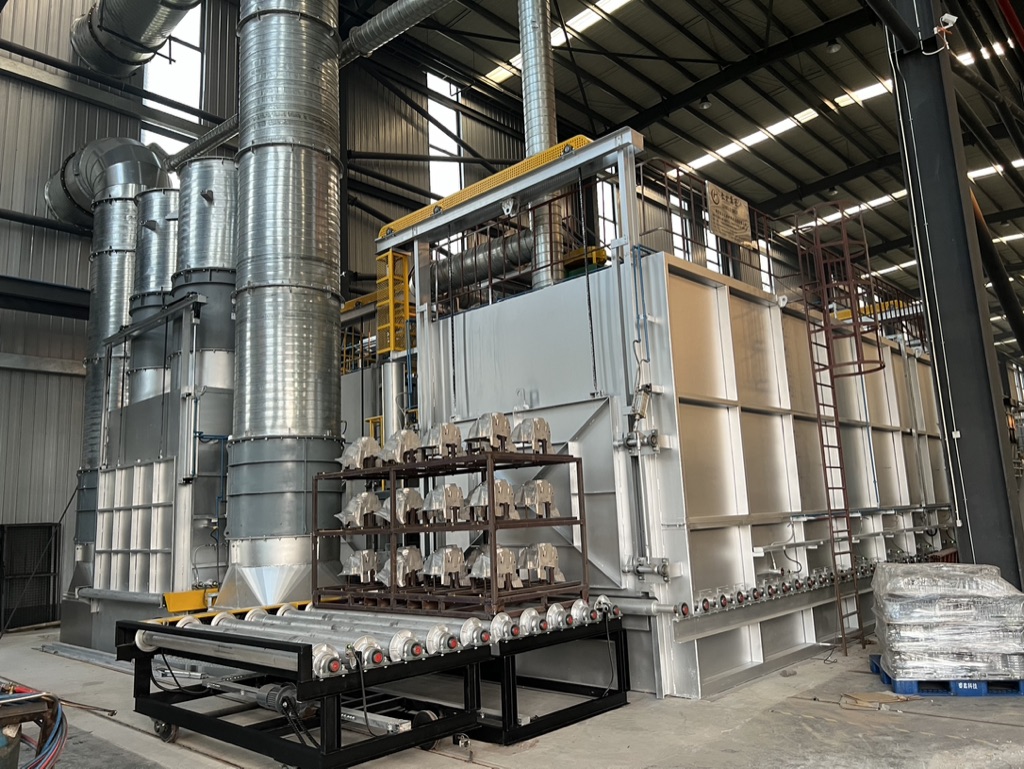 High Freight Rates and Scarce Spot Tonnage Continue to Weigh on Guinea Bauxite Shipments 【SMM Analysis】
Guinea-China bauxite freigh rates have rebounded recently amid renewed volatility in the Middle East and continued tightness in the dry bulk shipping market. As at least 70% of Guinea’s bauxite shipments are destined for China, sustained high freight rates on the Guinea-China route have not only lifted delivered logistics costs but also constrained shipments through weaker margins and limited vessel availability. Freight rose much faster than CIF prices, briefly accounting for over half of delivered prices SMM data showed that Guinea-China bauxite freight rates rose from $23.50/wmt on February 27 to $36.75/wmt on May 29, an increase of 56.4%. Freight remained at the same elevated level in the week ending June 5. Over the same period, the weekly average SMM Guinea bauxite CIF China price rose from $60.00/wmt to $68.00/wmt, an increase of only 13.3%, significantly lagging the rise in freight. As a result, freight as a share of the SMM Guinea bauxite CIF China price increased from 39.17% to 54.04%, meaning that ocean freight at one point represented more than half of the assessed delivered price. With CIF prices unable to fully absorb the additional shipping costs, pressure on miners’ and traders’ operating margins continued to build. According to SMM market contacts, the vast majority of surveyed Guinean mines reduced shipments to varying degrees after freight rates remained elevated, while some mines temporarily suspended loadings. High freight costs have therefore become a major direct factor behind the recent slowdown in Guinea’s bauxite shipments. In addition to prices, tight vessel availability has also restricted physical shipments. Traders and miners have widely reported difficulties securing spot bulk carriers, particularly for prompt cargoes. Some shipments have been delayed even where participants were prepared to accept prevailing freight levels, as vessels could not be secured in time and loading schedules had to be postponed. Peak season and contractual obligations initially supported March-April shipments Despite the sharp rise in Guinea-China freight rates from March, Guinea’s bauxite shipments remained relatively high during March and April. March-April is traditionally a peak shipment period in Guinea, when mining, inland transport and port-loading conditions are relatively favourable. In addition, previously signed long-term contracts and vessels booked in advance still had to be fulfilled. At the beginning of the freight rally, many market participants also expected the increase to be temporary. Miners therefore did not immediately make broad adjustments to existing shipment plans. SMM data showed that average weekly bauxite shipments from Guinea stood at 4.98 million mt between March 6 and April 24. Shipments remained high even after freight exceeded $30/wmt, reaching a weekly peak of 6.15 million mt in the week ending April 3. However, as elevated freight rates persisted into late April and May, the support from existing contracts, previously arranged vessels and the seasonal shipment peak gradually weakened. The impact of shipping costs became increasingly visible in outbound volumes. Average weekly shipments fell to 4.00 million mt between May 1 and June 26, down 19.8% from the March 6-April 24 average. Monthly data showed a similar trend. Guinea shipped 17.50 million mt in May, down 18.5% month on month, before shipments declined by another 10.0% to 15.74 million mt in June. The timing of the decline broadly coincided with the prolonged period of high freight rates and increasingly tight spot vessel availability reported by market participants since late April. Freight pressure eased briefly in late June before returning in July Shipping-market pressure eased temporarily in the second half of June as more positive expectations emerged around Middle East negotiations. Guinea-China bauxite freight rates fell from $36.75/wmt on June 5 to $31.00/wmt on July 3, while freight as a share of the SMM Guinea bauxite CIF China price declined from 54.04% to 43.66%. However, shipments did not recover immediately. Restarting cargo programmes, securing vessels and reorganising loading schedules all require time. Guinea was also moving deeper into its rainy season, further limiting the speed of any recovery. The rainy season generally runs from May to November, with the impact becoming more pronounced in July and August. SMM market feedback suggests that rainfall may reduce shipments by around 20% during the most disruptive period by affecting mine-to-port transportation, barge operations and loading efficiency. Entering July, renewed escalation in the Middle East pushed Guinea-China freight rates higher again. Freight rose from $31.00/wmt on July 3 to $35.00/wmt on July 24, an increase of 12.9%. Over the same period, the weekly average SMM Guinea bauxite CIF China price edged down from $71.00/wmt to $70.50/wmt, lifting the freight share back to 49.65%. According to SMM market contacts, as freight rates rebounded and spot bulk carriers remained difficult to secure, some mines that had previously planned to resume shipments again reduced or suspended loadings. Weekly shipments declined from 3.41 million mt in the week ending July 3 to 3.07 million mt in the week ending July 24, a decrease of 9.9%. Shipments fell as low as 2.83 million mt in the week ending July 17. As of July 24, Guinea’s cumulative July shipments stood at 10.55 million mt, equivalent to an average of 439,500 mt per day, down 16.2% from June’s daily average. SMM outlook SMM believes that the recent pressure on Guinea’s bauxite shipments cannot be attributed solely to seasonal rainfall. Persistently high freight rates and tight spot vessel availability have become the main direct constraints on shipments, while the rainy season has amplified the disruption. High freight rates continue to compress the operating room available to miners and traders, while scarce vessel availability is preventing some cargoes from progressing from planned sales to actual loading. The traditional shipment peak, contractual obligations and previously arranged vessels delayed the transmission of higher freight costs into shipment volumes during March and April. However, as elevated freight rates persisted, the vast majority of surveyed miners gradually reduced shipments, while some temporarily halted loadings, with the impact becoming increasingly apparent from May. In the near term, developments in the Middle East, fuel costs and dry bulk vessel availability in the West African market will remain key factors influencing Guinea-China freight rates. Should freight rates remain near $35/wmt or rise further, while tight spot bulk carrier availability shows no meaningful improvement, Guinean miners’ willingness to ship and their actual loading capacity may remain constrained. Combined with the impact of the July-August rainy season on mine-to-port transportation, barge operations and port-loading efficiency, Guinea’s weekly bauxite shipments are expected to remain volatile at relatively low levels, with marginal mines and spot cargoes facing greater pressure. Looking ahead to the third quarter of 2026, under SMM’s base-case scenario of persistently high freight rates, tight vessel availability and continued rainy-season disruption, Guinea’s bauxite shipments are expected to remain subdued and fluctuate at low levels. Average daily shipments may mainly range between 370,000 mt and 400,000 mt, corresponding to monthly shipments of approximately 11.5 million-12.0 million mt, broadly in line with the monthly average recorded in the third quarter of 2025. Shipments could stage a temporary recovery should Middle East tensions ease, freight rates decline significantly and bulk vessel availability improve. Meanwhile, developments concerning Guinea’s bauxite export quota policy remain a key uncertainty for the supply outlook. Any substantive implementation of related measures could further alter the pace of shipments and expectations for the country’s total bauxite exports.
Jul 30, 2026 18:56![[SMM Analysis]US and Europe Expand Copper Recycling Capacity as Scrap Localisation Takes Shape](https://imgqn.smm.cn/usercenter/MXbup20251217171745.jpg) [SMM Analysis]US and Europe Expand Copper Recycling Capacity as Scrap Localisation Takes Shape
[SMM Analysis]US and Europe Expand Copper Recycling Capacity as Scrap Localisation Takes Shape[SMM Analysis: US and Europe Expand Copper Recycling Capacity as Scrap Localisation Takes Shape]The US and Europe are expanding recycling capacity and tightening resource policies to retain more copper scrap locally. Aurubis projects in Hamburg and Georgia will increase complex-feedstock processing, while export controls may further limit trade flows. Asian buyers could face higher payabilities, longer lead times and tighter supply.
Jul 30, 2026 17:31
Announcements
Three new daily price points for Aluminum Alloy Ingots ADC12 starting March 30, 2026. These prices will be updated Monday through Friday at 12:00 PM (Beijing Time).
PriceMar 30, 2026 11:42SMM Malaysia-related price updates are suspended for the Hari Raya Aidilfitri holiday and will resume normal publication next week.
PriceMar 20, 2026 09:51SMM launches the "SMM China Titanium Dioxide Price Index" to provide a transparent pricing reference and reflect market trends, effective from March 20, 2026.
PriceMar 19, 2026 11:59