

6найдено результатов для 'Battery Supply Chain'
Цена
Новости
- Хунань Жуйи Цзыхуань Технолоджи Ко., Лтд. приглашает вас на Глобальную отраслевую конференцию SMM 2026 по цепочке поставок свинцово-кислотных аккумуляторов.
В2026годумироваясвинцово-кислотнаяаккумуляторнаяотрасльсохраняетустойчивыйрост,занимаянезаменимыепозициивстартерных,промышленныхиэнергохранящихприменениях.Вторичныйсвинецсталосновнымисточникомсырья,аэкологичнаяпереработкаисоблюдениепроизводственныхнормсталиотраслевымстандартом.ГлобальнаяпроизводственнаяцепочкаускоряетсмещениевЮго-ВосточнуюАзию,гдеВьетнам,опираясьнавысокийуровеньвладениямотоцикламииавтомобилями,производственнуюинфраструктуруипреимуществаупрощённойторговли,становитсястратегическимцентромвыплавкисвинца,производствааккумуляторовипереработки.Втожевремясвинцоваяотраслеваяцепочкасталкиваетсясмногочисленнымивызовами:балансспросаипредложениясырья,соблюдениенорммеждународнойторговли,ужесточениеэкологическихстандартов,обновлениетехнологийпередовыхсвинцовыхаккумуляторов,безопасностьцепочекпоставокиконтрользатрат.Длясозданияглобальнойплатформыобменаисотрудничествавсвинцовойотраслиистимулированиясовместныхинновацийповсейцепи–отсвинцовойруды,первичногосвинца,вторичногосвинца,свинцово-кислотныхаккумуляторов,оборудованиядовспомогательныхматериалов–вХошиминепройдётконференцияSMMGlobalLead-AcidBatterySupplyChainInnovationConference2026.SMMвпартнёрствесHunanRuiyiResourcesandEnvironmentTechnologyCo.,Ltd.приглашаетваспринятьучастие.Мероприятиебудетпосвященопромышленнойполитике,рыночнымтенденциям,технологическиммодернизациям,экономикезамкнутогоциклаисовместномуразвитиюглобальнойцепипоставок,помогаяпредприятиямиспользоватьвозможностиидостигатьвзаимовыгодногосотрудничества.Нажмите,чтобызарегистрироватьсянаконференциюсейчас,иприсоединяйтеськнам,чтобыстатьсвидетелемиучастникомэтоговыдающегосяидалекоидущегоотраслевогособытия,вместеоткрываяблестящуюновуюглаву!HunanRuiyiResourcesandEnvironmentTechnologyCo.,Ltd.являетсяпартнёромЦентральногоюжногоуниверситетапосотрудничествувформате"промышленность-академия-исследования-применение".ОпираясьнаИнститутрециклингаресурсовиэкологическойинженерииЦентральногоюжногоуниверситета,компаниявосновномзанимаетсяразработкойитрансформациейтехнологий,техническимконсультированием,проектированиемпроцессовизаводов,производствомоборудованияиинженернымподрядомвтакихобластях,какчистоеиэффективноеиспользованиевторичныхресурсовцветныхметаллов,комплексноеизвлечениеибезопаснаяутилизацияопасныхотходов,содержащихтяжёлыеметаллыимышьяк,атакжеэкстракция.КомпанияфокусируетсянатехнологическихR&Dипродвижениивотраслиутилизацииопасныхотходов.Используявкачествеосновногооборудованияпечисбоковымдутьем,конвертерыначистомкислороде,низкотемпературныепиролизныепечи,электрическиепечиифьюминг-печи,онаповышаетизвлечениеметаллов,экономитэнергиюисокращаетвыбросывтакихобластях,какпереработкавторичногосвинца,комплексноеизвлечениеибезопаснаяутилизациямедноголома,остекловываниелетучейзолыиостатковотсжиганиятвёрдыхкоммунальныхиопасныхотходов,атакжекомплексноеизвлечениеибезопаснаяутилизацияопасныхотходов,содержащихтяжёлыеметаллыимышьяк,темсамымудовлетворяярастущиепотребностиклиентов;компаниярасполагаеткомандойR&Dипроектирования,ядрокоторойсоставляютпрофессораистаршиеинженеры,объединяющейталантливыхспециалистоввобластиметаллургическогопроизводстваиуправления,охраныокружающейсреды,проектированиязаводов,машиностроения,автоматизации,электротехникиидругихсферах.Онаобладаетвозможностямиполногоциклауслуготтехническогоконсультированиядоэксплуатациипечейвтакихнаправлениях,каквторичныйсвинец,переработкамедноголома,вторичныйцинкиутилизацияопасныхотходов,содержащихмышьяк.Вобластиразработкиипроизводствапечейсбоковымдутьемивышеупомянутыхнаправленийрециклингаресурсовонавладеетболеечем90патентаминаизобретенияиполезныемодели.КомпанияRETechnologyCo.,Ltd.(именуемаяRETECH)являетсясовместнымвысокотехнологичнымпредприятием(типа«промышленность-институт-исследования»),аффилированнымсЦентральнымЮжнымуниверситетом,металлургическийфакультеткотороговходитвчислосамыхпрестижныхвмире.Имеявкачествеосновногооборудованиязапатентованнуюкислородно-обогащеннуюпечьсбоковымдутьем,котораяширокоприменяетсявотраслипереработкисвинцаиудостоенамножестванаградзаинновационнуютехнологию,мытакжеспособныпроектироватьзаводывцеломиразрабатыватьиизготавливатьосновноеоборудование,включаяпечисбоковымдутьем,вращающиесяпечи,шахтныепечи,конвертеры,электрическиепечи,фьюминг-печиидругоеоборудование.Являясьведущейинжиниринговойкомпаниейвобластипереработкисвинца,мыпродолжаеминвестироватьвмодернизациюоборудованияипроцессов,чтобысоответствоватьпостояннорастущимтребованиямотрасли,такимкакповышениеизвлеченияметаллов,снижениевыбросовиболееэффективнаяпереработкаматериалов.Мырасширяемсферудеятельностиотсвинцадомеди,никеля,цинка,олова,сурьмыит.д.,чтобыобеспечитьэффективноеиэкологическичистоеповторноеиспользованиевторичныхцветныхметаллов,атакжебезопасноеизвлечениеиутилизациюопасныхотходов,содержащихтяжёлыеметаллыимышьяк.КомандаRETECHсостоитизпрофессоров,экспертовиинженеров,специализирующихсявметаллургии,охранеокружающейсреды,механике,автоматизации,электротехникеидругихдисциплинах.Имеяболее90патентов,командаспособнапредоставлятьуважаемымклиентамконсалтинговые,проектные,производственные,монтажные,пусконаладочныеиэксплуатационныеуслуги.КонтактыТел.:0731-82850226Эл.почта:info@rezh.netВеб-сайт:http//www.hnrezh.comАдрес:Китай,провинцияХунань,г.Чанша,районЮэлу,ул.Цзыюань,д.19Нажмитеиудерживайте,чтобыотсканироватьизарегистрироватьсяГлобальнаяотраслеваяконференцияпоцепочкепоставоксвинцово-кислотныхаккумуляторовSMM–2026
Jul 31, 2026 10:47 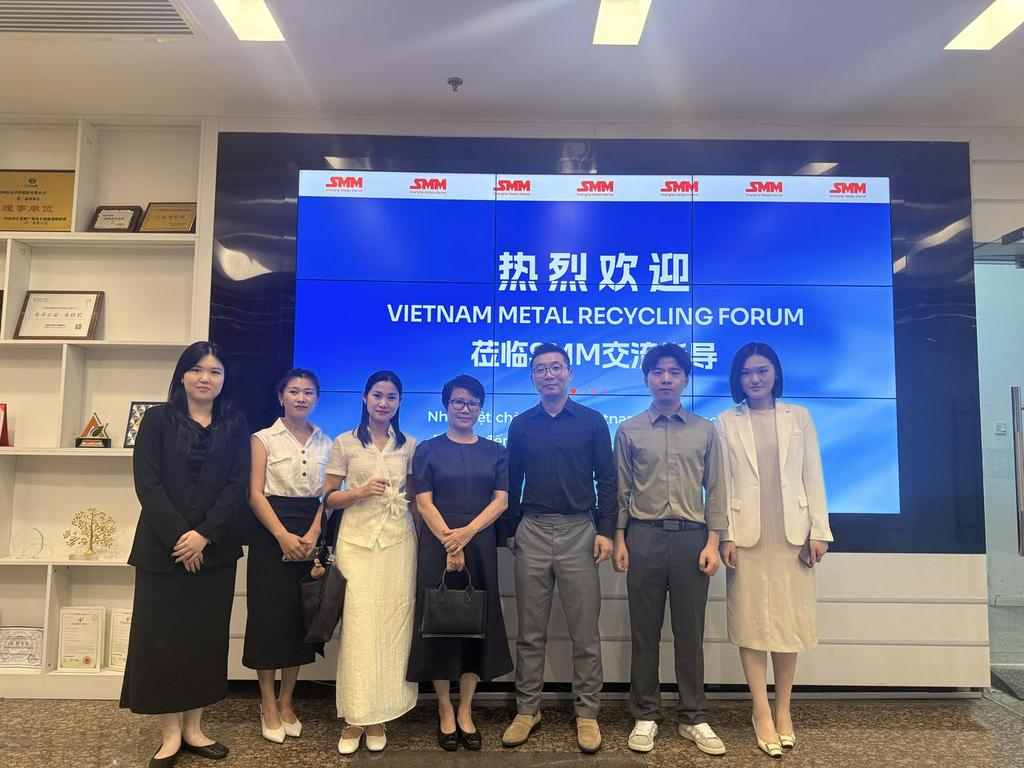 Ответный визит VMRF в SMM: веха в сотрудничестве в области переработки металлов Вьетнама
10июляделегацияВьетнамскогофорумапопереработкеметаллов(VMRF)—всоставеАнь,ЧанТхиВан,ФыонгиХоангМинь—посетилаштаб-квартируShanghaiMetalsMarket(SMM)вШанхае.ГенеральныйдиректорSMMЛоганЛуприветствовалгостейвместесХоринДун(старшийменеджерпозарубежномумаркетингу),СиндиЧжан(менеджерглобальныхпроектовпопереработаннымметаллам),ДэйтСон(менеджерпоглобальномуразвитиюбизнеса,командаконференцийимероприятийпоцветнымметаллам)иКэтринЧжань(менеджерпозарубежномумаркетингу).СтороныпровелиуглублённыепереговорыпоуслугамвцепочкепереработкиметалловвЮго-ВосточнойАзии,расширениюзарубежныхрынковисовместномупроведениюотраслевыхсаммитов.ВходевизитаSMMпредставиласвоюновейшуюглобальнуюстратегическуюконфигурацию.НафоневысокогоспросавЮго-ВосточнойАзии,АфрикеиЮжнойАзииSMMоткрылановыеофисывоВьетнаме,ЮжнойКорее,ИндиииЗамбии,сформировавмультирегиональнуюсетьзарубежныххабов.ЧерезэтилокальныеточкиприсутствияSMMстанетближекверхниминижнимзвеньямместныхпроизводственныхцепочек,предоставляяболееэффективныекомплексныерыночныеуслугипартнёрамвоВьетнаме,АСЕАНизаихпределамивсекторахпереработанныхметаллов,алюминия,свинцово-кислотныхаккумуляторовичёрныхметаллов.Крометого,SMMпредставилатрикрупныхотраслевыхмероприятия,которыеонапроведётвАСЕАНвовторомполугодии:•2026SMMGlobalLead-AcidBatterySupplyChainIndustryConference(19–20ноября)вХошимине;•SMMAICE2026SoutheastAsia(Vietnam)AluminiumConference(23–24ноября)вХошимине;•SMMASEANFerrousMetalsSummit2026(26–27ноября)вМалайзииПримечательно,чтов2025годупредседательSMMАдамФанвместесКэтринЧжань,менеджеромпозарубежномумаркетингуSMM,посетилВьетнамдлявстречискомандойVMRF,гдеSMMпредставиласвоикомплексныеосновныенаправлениядеятельностиисервисныевозможности,включаямультитоварнуюинформацию,ценовыеданные,отраслевыеисследования,конференцииивыставки,заложивпрочныйфундаментдлябудущегосотрудничества.ГодспустяэтотответныйвизитVMRFимеетбольшоезначениедляSMMизнаменуетдальнейшееуглублениедвустороннегосотрудничества.ГрупповоефотоVMRFнаконференцииSMMAPACLead-AcidBatteryIndustry2025годавоВьетнамеГрупповоефотовизитаSMMвVMRFв2025годуVMRFбылсоздандляобъединенияпредприятий,перерабатывающихзаводов,трейдеровипартнёроввотраслипереработкиметалловВьетнама.Будучиплатформойдляобменаинформацией,отчетами,рыночнымитенденциямиитехнологиями,VMRFстремитсяпомочьсвоимчленамдостичьустойчивогоразвитияиповыситьотраслевыестандарты.СтехпоркакSMMустановиласвязисVMRFнапрошлогоднемофлайн-мероприятиивоВьетнаме,онапридаетбольшоезначениедружественномусотрудничествусVMRF.ВбудущемSMMрассчитываетнасозданиедолгосрочного,стабильногоинормализованногомеханизмаглубокогосотрудничествасVMRF,постояннопредпринимаясовместныеусилиявобластиотраслевыхобменов,обменарыночнойинформациейисовместногопродвижениясаммитов.ИспользуямногочисленныеотраслевыеконференцииSMMвЮго-ВосточнойАзии,обестороныбудутстремитьсясоздатьплатформудлясопоставленияспросаипредложенияисовместноподдерживатьстандартизированноеимеждународноеразвитиецепочкипереработкиметалловвоВьетнаме.
Jul 13, 2026 11:21
События
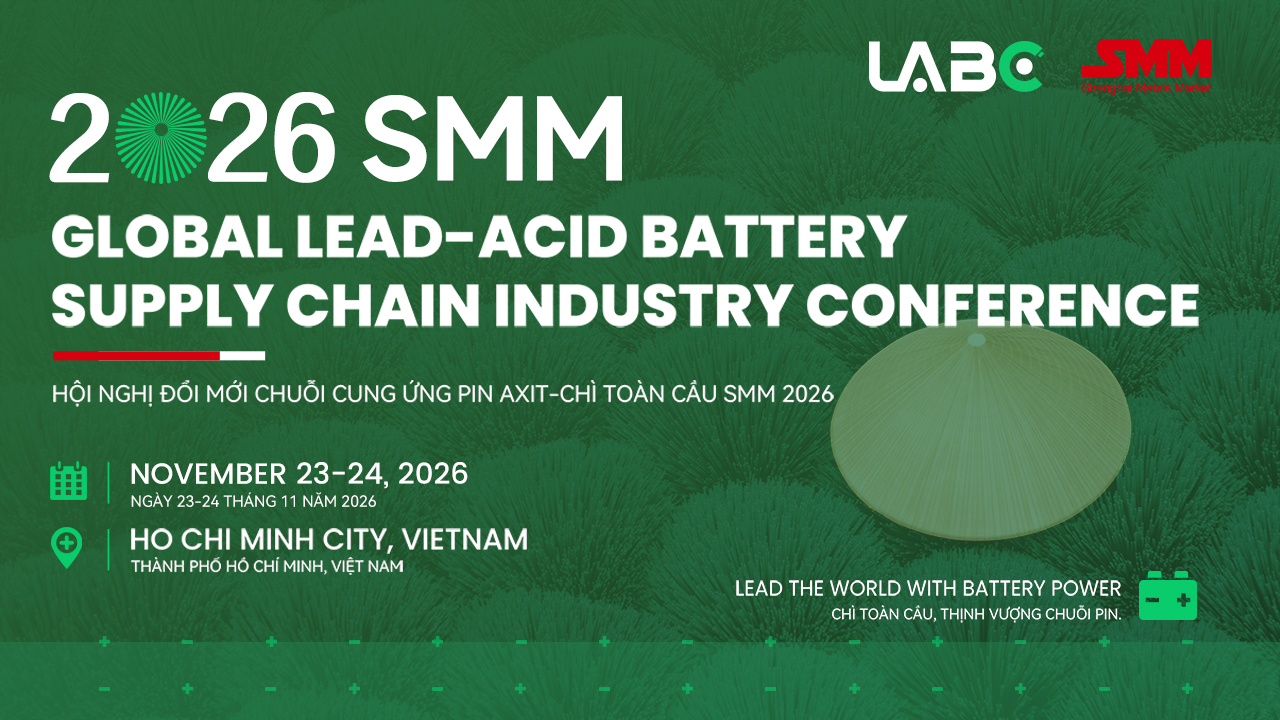 СобытияNov 23 - 24, 2026 (GMT+8)Ho Chi Minh City, Vietnam